Dragon Ball Super Manga: Why Its Return Is Stalled
Published on · Updated on
Goku is missing from Jump Festa 2027, Bird Studio was demolished and a rights dispute drags on: here is what is stalling the Dragon Ball Super manga.
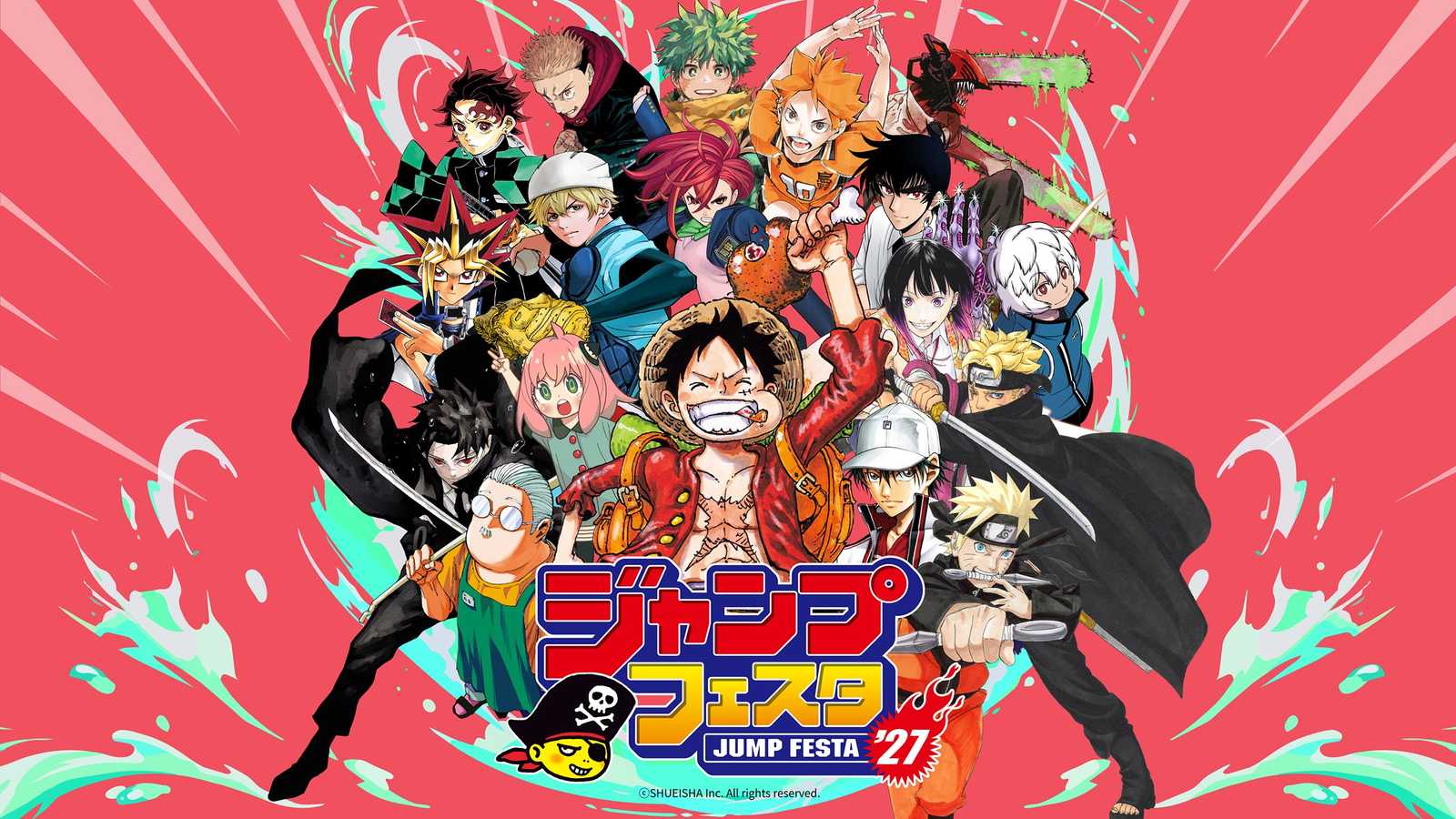
The Dragon Ball Super manga has been on hold since March 2024, when the series entered an indefinite hiatus after the death of Akira Toriyama on March 1 of that year, at age 68. This week, however, the wait stopped being just long and became a concrete warning: Shueisha removed the title from the "Jump Original Art World" gallery at Jump Festa 2027 — scheduled for December 19 and 20 — and handed the space to the manga adaptation of Metaphor: ReFantazio. For the first time since the continuation began, Goku is also absent from the event's promotional artwork. Behind the scenes, what is taking shape is a corporate dispute between the publisher and Capsule Corporation Tokyo, the company run by Akio Iyoku, Toriyama's former editor who now concentrates the anime and game rights. So far, neither side has officially confirmed that the manga has changed hands — or that there is a date for its return.
The uncertainty stings because the picture is ambiguous by design. On one hand, there are public, verifiable signs of distance between Toyotarou's work and V Jump, the Shueisha magazine that has always carried the series (V Jump). On the other, there is no statement, disclosed contract or announcement backing the most radical theory — that the manga is leaving the publisher. It is in that gap between what surfaced and what people imagine that fan discussion has exploded in recent weeks.
What exactly changed at Jump Festa 2027
Jump Festa is Shueisha's annual showcase and, for more than a decade, a predictable stage for Dragon Ball news. The 2027 edition, though, has stacked three absences in under a month. The first was spotted in the promotional art: Goku simply was not there, alongside Luffy, Naruto, Deku and company — something rare in the event's history. The second came with confirmation that the spin-offs Dragon Ball SD and Dragon Ball Super Divers were also left out of the lineup.
The third, and most symbolic, was announced on the event's official website on November 2. The "Jump Original Art World" gallery, which exhibits original pages by the publisher's authors, no longer lists Dragon Ball Super and has reserved the space for Metaphor: ReFantazio. This is not a schedule or room change: the title left the exhibitor list. For a franchise that usually takes a central position at the event, the message read as a retreat.
| Public signal | When it appeared | What it means |
|---|---|---|
| Goku missing from Jump Festa artwork | Event announcement | A tradition of more than a decade broken |
| Dragon Ball SD and Super Divers out of the lineup | Official site updates | An absence that hits the brand's entire manga ecosystem |
| Removal from the "Jump Original Art World" gallery | November 2, 2026 | Space handed to Metaphor: ReFantazio |
It is worth noting what did not change. Toei Animation remains confirmed at the event, bringing anime projects from the franchise, including the Dragon Ball Super: Beerus remake, which airs weekly in Japan. In other words: the brand is still strong on the audiovisual side. What vanished from the showcase was specifically the manga.
The timeline of a hiatus now beyond two years
To grasp the scale of the problem, you have to go back to the beginning. Toriyama's death in March 2024 interrupted serialization and left the franchise without its original author for the first time in four decades. Since then, the only new chapter has been #104, a one-shot starring Goten and Trunks published in February 2025. Ever since, Toyotarou has kept a presence in the anime section of the site only through monthly illustrations and special posters for V Jump.
| Date | Event |
|---|---|
| May 2023 | Akio Iyoku leaves Shueisha and founds Capsule Corporation Tokyo |
| March 1, 2024 | Akira Toriyama dies at 68; the manga enters hiatus |
| February 2025 | Chapter #104, a Goten and Trunks one-shot, is published |
| August 1, 2026 | Bird Studio moves its registered headquarters from Kiyosu to Tokyo |
| August 2026 | Toyotarou updates his bio: "everything is for the return of the series" |
| October 2026 | The Bird Studio building in Kiyosu is demolished |
| November 2, 2026 | The manga is removed from the Jump Festa 2027 gallery |
| December 19-20, 2026 | Jump Festa 2027 takes place without a manga booth |
The hiatus has now reached 21 months without new chapters — and, worse for readers, without a forecast. The Dragon Ball Super timeline ends precisely at a point of maximum tension, with the threat of Black Frieza hanging over Goku, Vegeta and Gohan. It is not an ending; it is a pause in the middle of an upward curve.
The boardroom fight: who controls what
The name at the center of everything is Akio Iyoku. A former head of the "Dragon Room", Shueisha's in-house department dedicated to the franchise, he was Toriyama's trusted editor and executive producer on much of what the brand released over the past decade. In May 2023, he left the publisher to found Capsule Corporation Tokyo — named after Bulma's company — and began managing the rights tied to anime and games, in partnership with Toei Animation and Bandai Namco.
Since Toriyama's death, the franchise has operated as a kind of split estate. Shueisha kept the manga and the print publishing rights. Capsule Corporation Tokyo took the audiovisual and licensing front. That division explains a paradox fans noticed quickly: while the manga froze, the anime side keeps moving at full speed, with the Beerus remake, the debate over Daima's timeline and projects such as Dragon Ball: Age 1000, announced for 2027.
The detail that set off the red alert sits in Bird Studio's corporate filings. On August 1, 2026, the company founded by Toriyama moved its registered headquarters from Kiyosu, in Aichi Prefecture, to an apartment in Tokyo — the same city where Capsule Corporation Tokyo is based. More telling still: the studio's five-person board of directors brings together two members of the Toriyama family and three executives, including Iyoku himself.
What is fact and what is speculation
Here it is necessary to separate the layers. It is a fact that the manga left the Jump Festa lineup — first reported by ScreenRant and confirmed by outlets such as CBR. It is a fact that Bird Studio changed headquarters and that Iyoku sits on its board. It is also a fact that Shueisha has not commented on the future of serialization. From there on, the ground is hypothetical. The most widespread reading — that Toriyama's estate is consolidating rights under Iyoku's banner, preparing to move the manga out of V Jump into a new magazine or digital platform — is plausible, but unproven.
"There is no confirmed evidence that Shueisha is losing control of the manga or that a change in publishing rights explains the latest Jump Festa lineup."
The same outlet stresses that the absence of a booth confirms neither cancellation nor a change of publisher. That distinction matters at a moment when theories circulate with the appearance of news. The correct stance, for now, is to treat the event exit as a symptom — a strong one, but still a symptom — and not as a verdict.
Bird Studio: the demolition that became a symbol
While the corporate debate runs behind closed doors, the most visible chapter for the public happened in the physical world. The yellow building that served as Toriyama's home and workplace in Kiyosu began to be demolished in October 2026. Most of the structure has already been torn down, according to The Mainichi. Bird Studio operated in the same property, which had become a pilgrimage site for foreign fans and a local symbol.
Before the machines arrived, Toyotarou made a quiet visit to the residential neighborhood and left a signed autograph at a nearby café, a farewell to his mentor's workspace. The scene, reported by specialist press, sums up the mood: a goodbye without an official ceremony, in a property the family chose not to turn into a museum.
"Nearly all of Toriyama's works were created there. It was also where I worked, so it's sad. It's in a residential neighborhood, so I imagine it would have been difficult to turn it into a museum. It couldn't be helped. I just hope it will live on in people's memories."
The city of Kiyosu struck a similar tone, respecting the family's decision. "I presume that the decision to demolish the building was made by Mr. Toriyama's family. The city respects their wishes and would like to see the demolition work completed in a quiet and peaceful environment," Mayor Sumio Nagata told the newspaper. At no point was there any sign of heritage preservation from the authorities.
Why this matters so much to fans
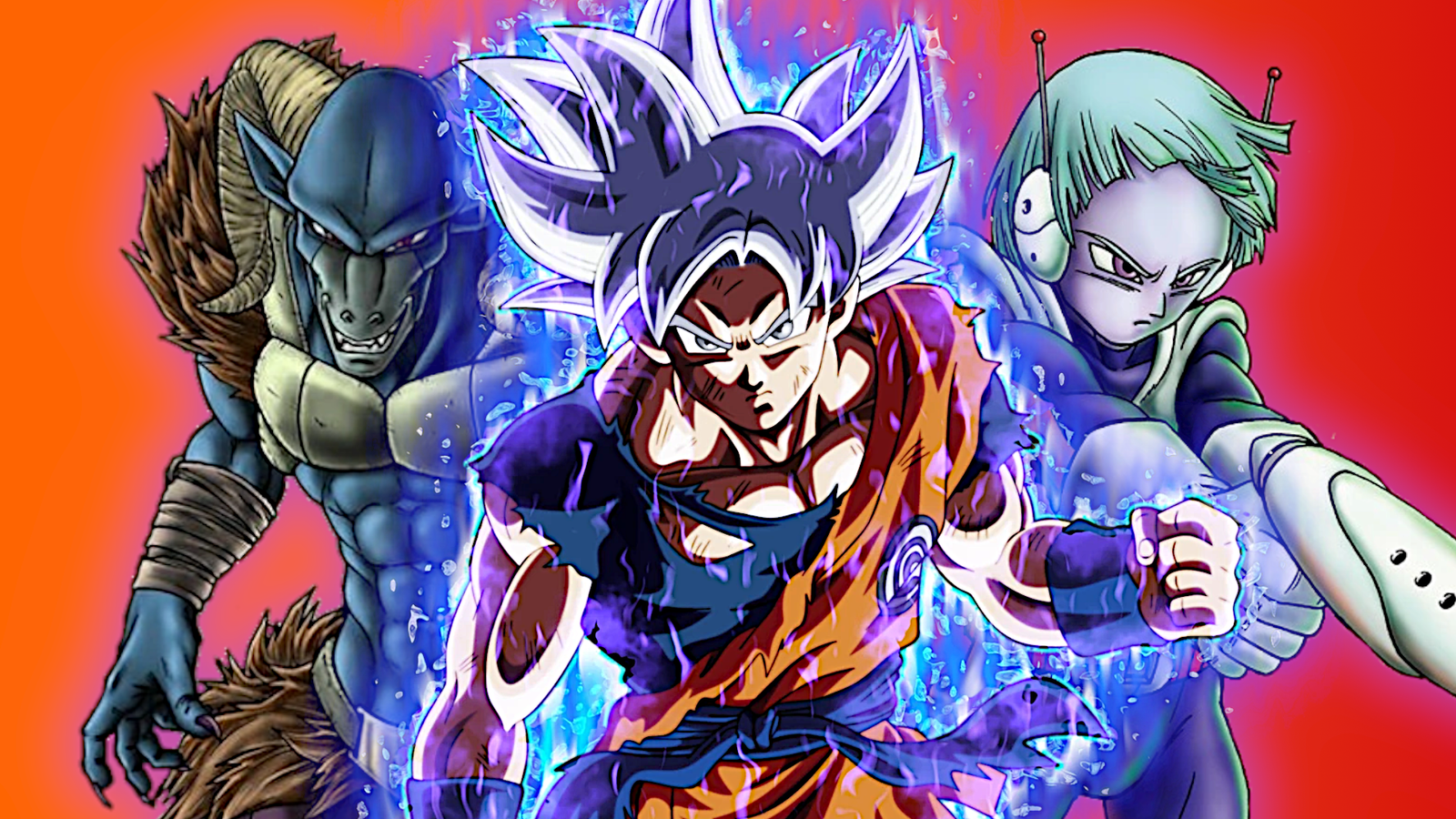
Because the story is not over. The manga stopped at a point where Goku has mastered Ultra Instinct, Vegeta has developed Ultra Ego and Gohan has reached Beast — three power fronts that have yet to be tested against the most dangerous adversary of this phase: Black Frieza. Toyotarou was personally trained by Toriyama to carry that legacy, and he has publicly stated that his work remains oriented toward the series' return. There is plenty of narrative material waiting for an editorial green light.
The problem is that talent and will are not enough when the corporate structure is stuck. A new chapter requires agreement on who publishes, who licenses and who gets paid. Until those three answers line up, Toyotarou can draw, but he cannot serialize.
What to expect — and what not to expect — now
The most likely short-term scenario is silence. Jump Festa 2027 takes place on December 19 and 20 without a manga panel, which practically eliminates the chance of a return announcement at the event that, historically, was the natural stage for one. If there is news before the end of the year, it should come from a Shueisha statement or from Toyotarou's social media, not from the main stage.
- Scenario 1 — a quiet return: Shueisha and Capsule Corporation Tokyo reach an agreement and the series returns to V Jump without fanfare, with a surprise chapter and no commemorated date.
- Scenario 2 — a change of home: the manga starts being published by a new magazine or platform linked to Iyoku, keeping Toyotarou on art duties and the chapter numbering intact.
- Scenario 3 — a prolonged hiatus: the dispute drags on, the anime moves forward alone and the manga stays frozen indefinitely, awaiting a legal resolution.
None of the three is confirmed. What exists today is a set of public facts pointing toward a standoff — and a gigantic franchise stuck in the middle of it. For anyone following Dragon Ball since the 1990s, the irony is bitter: the story that taught us there is always a transformation beyond has never depended so much on a board meeting.
While the manga does not return, the anime side keeps delivering, and the debate over what could become canon keeps the conversation alive. But the question that matters — when Goku returns to the page — remains without an official answer. And, at least until December, it should stay that way.
Suggested and related articles
How Japan protects anime copyright beyond its borders
Jun Kirarazaka Blobtopia Manga to End in 3 Chapters
Kaiju No. 8: No Season 3, Finale Becomes 2027 Film
Golden Kamuy: what the anime is and why it shows the Ainu
Release the Villains: What Is Crunchyroll's Campaign?