Xbox Project Helix: what it is and why devs still wait
Published on · Updated on
GDC survey shows only 8% of developers targeting Xbox Project Helix; here is what Microsoft has confirmed about the new console and what remains speculation.
The Xbox Project Helix is the codename for Microsoft's next-generation home console, the machine expected to succeed the Xbox Series X|S family and open the tenth generation of Xbox. The name has circulated since 2025 but became official in March 2026, when Xbox Vice President of Next Generation Jason Ronald took the GDC stage to describe the project as a console capable of running Xbox and PC games — not a computer that also runs console games. Despite those clarifications, most developers are not yet building for it: a GDC Festival of Gaming survey released on November 12, 2026 shows that only 8% of respondents plan to release their next games on Project Helix, compared with 10% for the next PlayStation and 21% for the Steam Machine. The most direct explanation is the calendar: Microsoft only plans to ship alpha hardware to studios starting in 2027.
What Project Helix actually is
Project Helix is not the product's commercial name. It is the internal codename Microsoft now uses publicly for its next-generation first-party console. The existence of a successor had been known since June 2025, when then-Xbox president Sarah Bond announced a multi-year deal with AMD to co-engineer silicon for "next-generation Xbox consoles." The codename, however, only became clear in early 2026, alongside the first technical specifications touted by the manufacturer itself.
According to Xbox Wire, the console uses a custom AMD SoC and was co-designed for the next generation of DirectX and FSR, AMD's upscaling technology. Jason Ronald promised "an order of magnitude leap in ray tracing performance and capability," with intelligence integrated into the graphics and compute pipeline. At GDC, Microsoft detailed that the next-gen FSR will feature machine-learning-powered upscaling, multi-frame generation and "ray regeneration" for ray tracing and path tracing, plus deep texture compression.
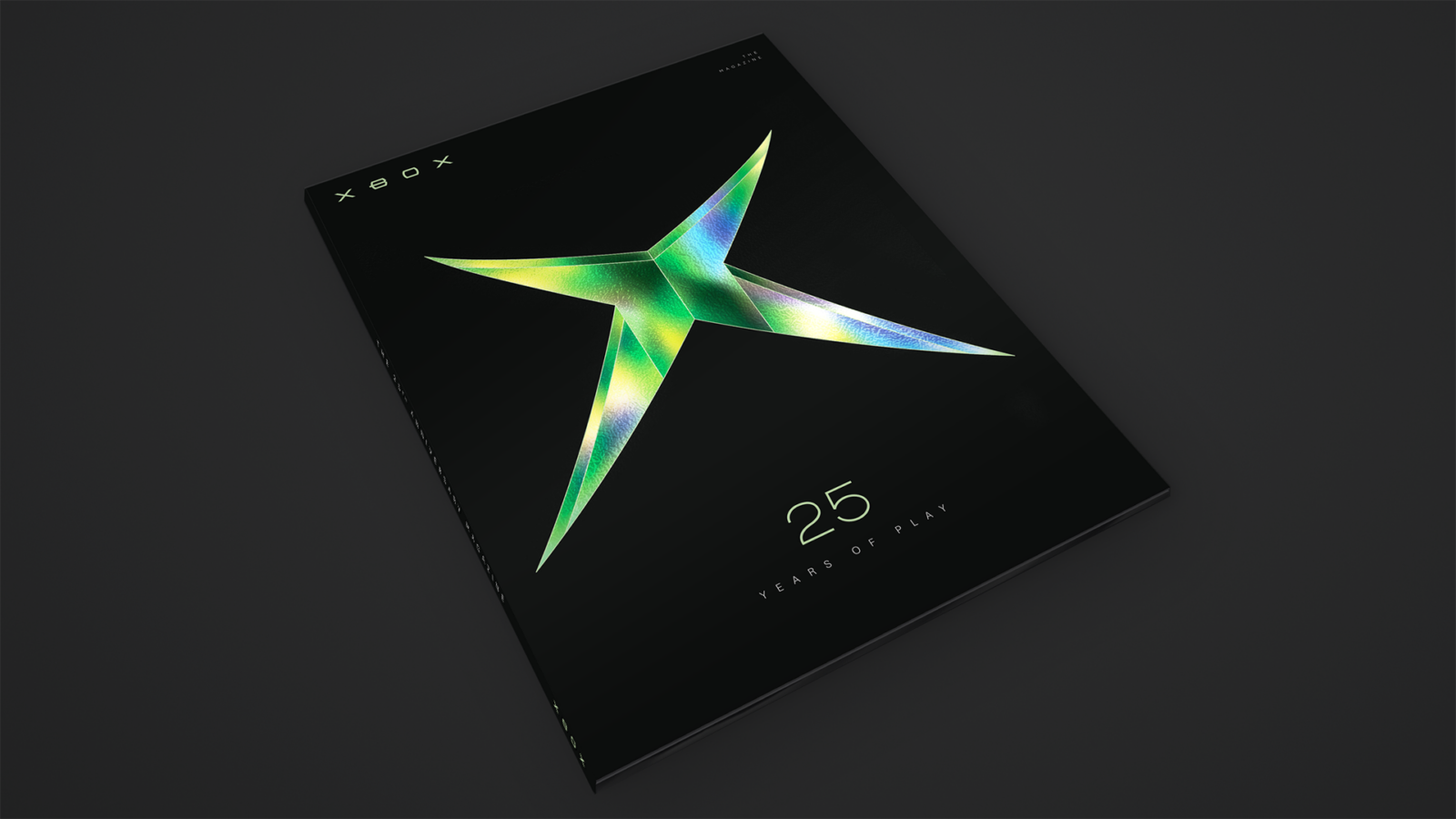
The point that confused audiences the most is the relationship with PC. In November 2026, in Xbox's 25th anniversary magazine, Ronald was direct:
"Helix is a console that is also capable of playing games from your PC. It is not a PC that can also play console games."
In practice, Microsoft wants to unite the Xbox and PC libraries in a single experience, with backward compatibility across the four previous Xbox generations. The stated inspiration is the ROG Xbox Ally and the "Xbox mode" that began rolling out to Windows 11 in April 2026: a console interface on top of an open system. The Xbox Play Anywhere catalog, which lets players buy once and play on console and PC, now exceeds 1,500 games, according to Xbox Wire.
What is officially confirmed — with dates and sources
It is worth separating what Microsoft has confirmed from what specialist outlets have reported or merely speculated. These points come from official statements or public presentations:
- Codename and positioning: Project Helix is the next-generation first-party console, described by Xbox as "the next generation of console gaming," with a focus on performance and on uniting console and PC libraries.
- AMD silicon: the device uses a custom AMD SoC resulting from the multi-year deal announced in June 2025, and was co-designed for next-gen DirectX and FSR.
- Ray tracing and FSR: Microsoft promises an order-of-magnitude leap in ray tracing, machine-learning upscaling, frame generation and ray regeneration.
- Development kits: alpha hardware will be sent to developers starting in 2027. Jason Ronald announced it at GDC in March 2026.
- Backward compatibility: games from four Xbox generations will remain playable, and Microsoft says the library should move with the player.
- PC games on console: Helix runs PC games, but the company insists the device is a console, not a PC.
- Xbox mode and Play Anywhere: the console experience is coming to Windows 11, and the Play Anywhere catalog has passed 1,500 games.
What is still speculation
The list of what has not been confirmed is as important as the list of what has. "Helix" itself is a codename: the product may reach shelves under a different brand. In addition:
- Price: there is no official figure. Estimates and leaks mention something above $1,000, but Microsoft has not confirmed numbers. Component costs and the hardware market crisis make predictions even more uncertain.
- Release date: no window has been announced. Reports point to late 2027, but shipping alpha kits only in 2027 casts doubt on that timeline.
- Disc drive: unconfirmed. Polygon notes that an optical drive could conflict with the affordability goal, even though backward compatibility and preservation are project priorities.
- Steam and other stores: Microsoft talks about a unified library and PC games, but has not officially confirmed support for Steam or third-party stores on the console. It is treated as a possibility, not a fact.
- Device family and handheld: specialist outlets describe a family of devices, including a handheld. Microsoft has confirmed the home console and PC integration but has not publicly detailed a Helix handheld.
- "Helix S": the idea of a weaker model, repeating the Series S logic, is conjecture. Former Tekken boss Katsuhiro Harada said he fears such a repeat — but no model has been announced.
What the GDC survey showed
The State of the Game Industry: November 2026 report surveyed more than 2,600 industry professionals. Its platform breakdown is the clearest snapshot of the moment: PC remains dominant, PlayStation 5 still holds the largest share of console projects, and Project Helix appears at 8% — half of what the not-yet-released Steam Machine already commands.

| Platform | Devs targeting it for upcoming games | Context |
|---|---|---|
| PC | 81% | The industry's default platform |
| PlayStation 5 / 5 Pro | 45% | Current installed base |
| Xbox Series X|S | 37% | Generation still active |
| Steam Deck | 32% | Established PC handheld |
| Nintendo Switch 2 | 29% | Recently launched platform |
| Steam Machine | 21% | Not released yet |
| Next PlayStation | 10% | Future generation |
| Xbox Project Helix | 8% | Future generation |
| VR / AR / MR | 3% | Down from 8% a year earlier |
The 8% figure needs context. It does not measure how many studios have contracts with Microsoft; it measures how many professionals say their next projects will ship on the device. The question was answered before Microsoft published the latest explanations in its 25th anniversary magazine on November 15 — meaning some respondents may have evaluated a less-defined Helix than the one presented three days later.
Why developers are not building for Helix yet
There are at least five concrete reasons for the low number — and none of them, on its own, suggests rejection of the console:
- Development kits are not available at scale. Microsoft only plans to ship alpha hardware starting in 2027. Without hardware in hand, studios cannot certify, optimize or safely plan a launch. The same applies to the next PlayStation: 10% is a low number for a future platform, but consistent with a cycle that is still in its early stages.
- The current generation still pays the bills. PlayStation 5 (45%) and Xbox Series X|S (37%) concentrate projects because they have an installed base. A game announced for 2027 or 2028 must first sell on the existing hardware; Helix comes in as an additional version, not the main platform.
- PC is the common platform. With 81% of developers targeting PC, Microsoft's strategy of unifying console and Windows reduces the urgency of a Helix-specific build. If the same build runs on PC and console, a studio can treat Helix as another target inside an existing pipeline.
- Price and market are unknowns. The US console market is in its worst crisis since the 1980s, with falling sales and rising average prices. A console possibly priced above $1,000 faces skepticism from consumers and publishers, who prefer to wait for demand signals before committing budgets.
- Microsoft's own messaging is still under construction. The company has confirmed the concept, the silicon and the kits, but not price, release date, disc drive or launch lineup. Studios usually announce platforms when there is a commercial window and a marketing deal — not merely when a codename exists.
The Steam Machine case helps explain the difference. With 21% of developers targeting Valve's device, the number is higher because it is a PC running SteamOS, with no proprietary kit and an established store. Helix requires optimization for closed hardware and goes through Microsoft's certification process — a barrier that only begins to fall when kits arrive.
Project Helix timeline
| Date | What happened | Status |
|---|---|---|
| June 2025 | Microsoft announces an AMD deal to co-engineer silicon for the next Xbox generation. | Official |
| March 11, 2026 | Jason Ronald presents Project Helix at GDC and confirms alpha kits for 2027. | Official |
| April 2026 | Xbox mode begins rolling out to Windows 11 in select markets. | Official |
| November 12, 2026 | GDC releases the State of the Game Industry with 8% of devs targeting Helix. | Public data |
| November 15, 2026 | Xbox's 25th anniversary magazine details backward compatibility and the console-PC relationship. | Official |
| 2027 | Alpha hardware starts shipping to developers. | Planned |
| To be announced | Commercial launch and price. | Not announced |
What to watch next
Project Helix arrives at an unusual moment. Microsoft must convince developers that it is worth preparing games for a console with no price, no date and no installed base, while trying to preserve four generations of games and open Xbox to the PC universe. The technical promise is ambitious: next-gen ray tracing, machine-learning FSR and an ecosystem that blends console and Windows. But studio adoption will not be measured by press releases; it will be measured by delivered kits, signed contracts and announced games.
The next milestones are clear. The first is alpha hardware reaching studios in 2027. The second is the definition of price and launch window — the two factors that weigh most in a publisher's decision. The third is the behavior of the console market, which is facing its worst crisis in decades and may limit appetite for a premium device. If those three signals arrive together, the 8% figure should rise quickly. If they do not, Helix risks repeating the Series S story: technically interesting hardware that developers treat as a secondary target.
For more on the console and the industry, see the other stories in O Santuário Geek's Games section. It is also worth revisiting the context of the US market in our report on the console crisis and Xbox's bet on Project Helix, the leaked PS6 and Helix prices, and Katsuhiro Harada's criticism of the Xbox Series S and his fear of a "Helix S".
How we reported this story
This report combined the State of the Game Industry: November 2026 report from GDC Festival of Gaming with official Xbox Wire posts about Project Helix at GDC 2026 and the Xbox 25th anniversary magazine. We also consulted Polygon's coverage of the alpha kits and IGN's report on the developer survey. Claims about price, release date, disc drive, Steam and alternative models are treated as speculation when there is no official confirmation.
Suggested and related articles
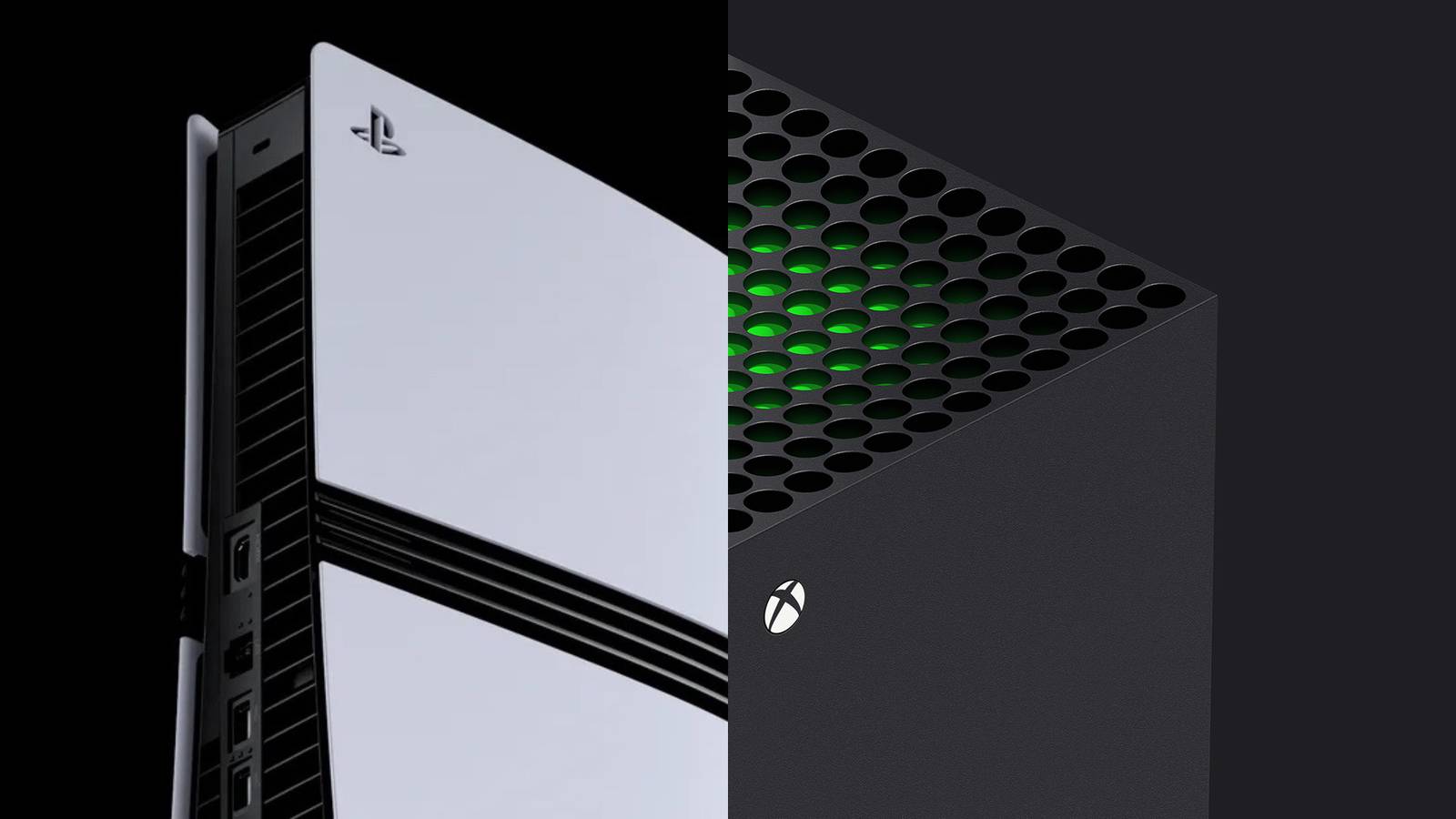
PS6 and Helix: leaked $1,000+ prices spark next-gen doubt
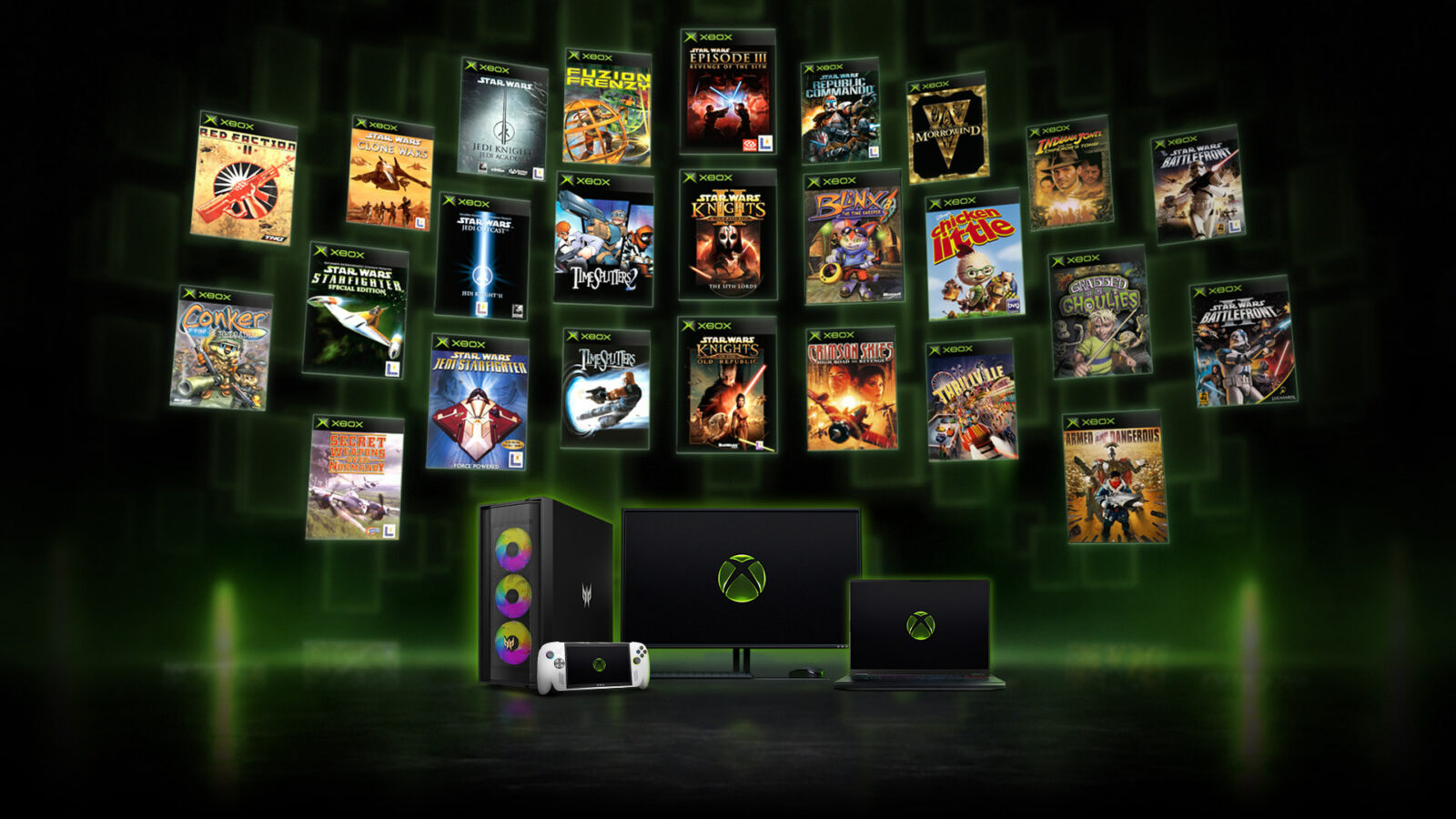
How to play classic Xbox games on PC with mouse and keyboard
Xbox at 25: how to claim 25 free games on PC

Wolfenstein 3: release date and platforms explained
Which classic Xbox games joined Game Pass Essential?