Console market slumps as Xbox bets on Project Helix
Published on · Updated on
Hardware sales hit their lowest US levels since the 1980s, but Microsoft doubles down on consoles and details the Project Helix family.
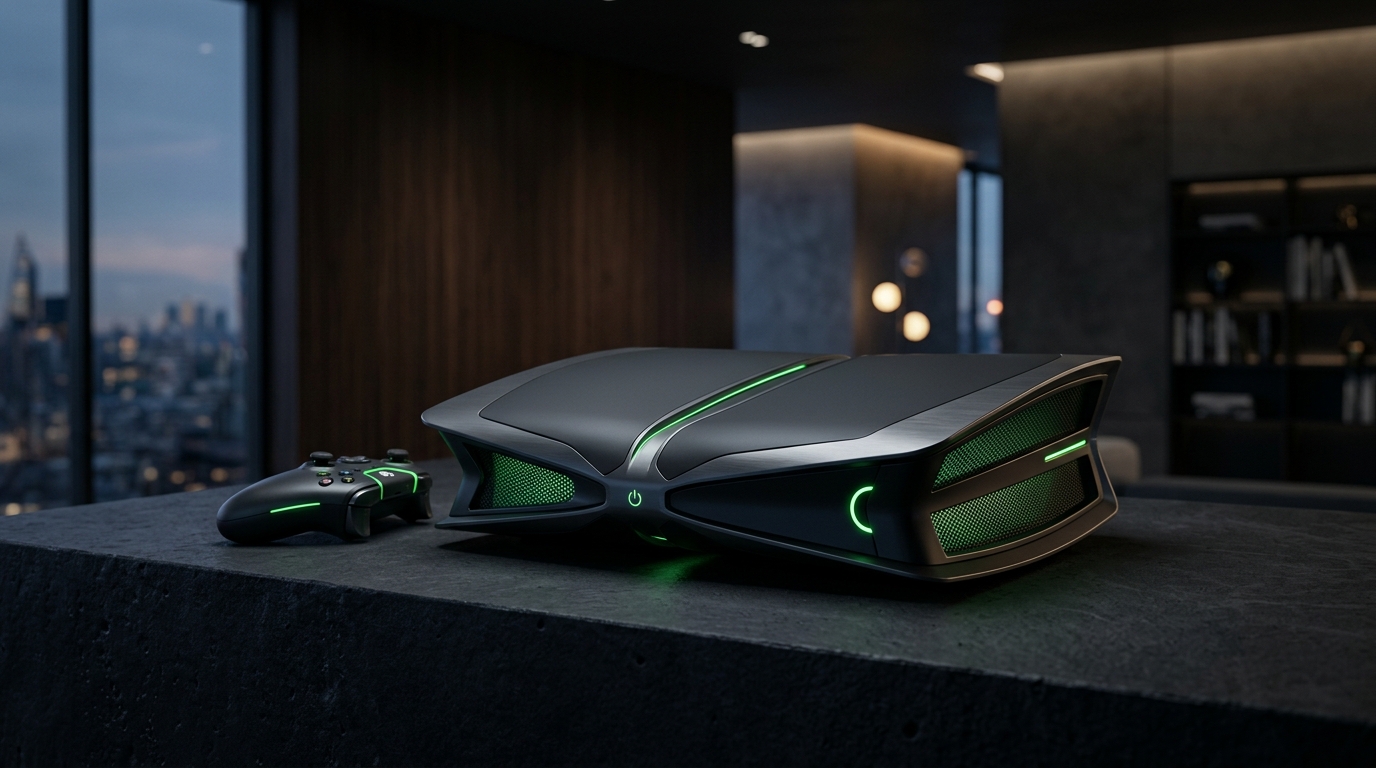
The North American video game console market is going through the most critical moment in its recent history, posting steep sales declines and reaching levels that industry analysts describe as the most precarious situation since the great video game crash of the early 1980s. Yet while rivals and investors question the long-term viability of dedicated home hardware, Microsoft has decided to go against the grain: in an internal meeting with employees of its gaming division, Xbox leadership reaffirmed that the traditional console will remain the fundamental bedrock of its business for the next generation, powered by development of the codename Project Helix.
The alarming diagnosis of the market was released by Mat Piscatella, executive director of market analysis firm Circana (formerly NPD Group). According to consolidated hardware sales reports through August, the cumulative volume of Xbox consoles sold in the United States plunged 33% versus the same period last year, hitting the lowest level ever recorded since the platform's historical tracking began. PlayStation sales retreated 25% over the same span, marking the Sony line's worst annual performance since 2013.

Surging average prices and the economic sensitivity barrier
Analyzing the deep causes of the accelerating hardware contraction, experts say the problem is not a lack of player interest in interactive experiences, but the unprecedented price surge of the devices. Historically, video game consoles went through manufacturing revisions that lowered costs over their life cycles, enabling aggressive price cuts that attracted the mass market. In the current cycle, however, exactly the opposite happened.
The intense global race for artificial intelligence infrastructure sparked a fierce dispute over advanced semiconductors, high-speed RAM and SSD storage, driving up component costs at factories. As a direct consequence, the average price paid by consumers for a new Xbox console in the United States jumped 26% year over year, leaping to a striking $529. For the PlayStation platform, the average price rose 20%, setting a new all-time high of $597.
“Price sensitivity is becoming a real, defining problem for consumers. The US console hardware market is in its most precarious and vulnerable state since the early 1980s.”
— Mat Piscatella, Executive Director at Circana
With household budgets squeezed by global inflation and launch prices breaching the psychological $500 barrier, players have preferred to extend the life of their old consoles or shift spending toward PCs and cloud services, delaying new hardware purchases.
Microsoft's change of stance: Back to the hardware commitment
Amid this adverse landscape, many analysts speculated Microsoft would gradually abandon traditional consoles to become a multiplatform publisher of software and cloud services — especially after the multibillion-dollar Bethesda and Activision Blizzard acquisitions. But reporting from Windows Central revealed that the gaming division's top brass struck a surprisingly firm tone during an internal town hall with the engineering and production team.
Executive leadership of the console division was led by Asha Sharma, the newly appointed head of Xbox products and hardware. During the internal presentation, Sharma made clear that the company's commitment to physical devices not only still stands, but is once again treated as a non-negotiable strategic priority for the brand's survival.

The four strategic pillars and the direct message to fans
To guide the ecosystem's future in the coming years, Asha Sharma structured the gaming division's action plan around four essential pillars:
- Core: An unrestricted commitment to the historic console player base, ensuring proprietary hardware meets the highest standard of finish and technical fidelity.
- Content: Strengthening the exclusive and multiplatform catalog of first-party studios with major ongoing releases.
- Creation: Providing cutting-edge tools for partner developers to easily optimize games across the whole device lineup.
- Connection: Seamless community integration between console, PC, cloud and mobile players.
During her speech, the executive delivered a striking statement that echoed through industry backstage chatter: according to Sharma, if Xbox cannot properly support and value its loyal living-room console users, the company will not earn the legitimacy or moral right to try expanding its business into other territories.
Project Helix: The tenth generation as a “family of devices”
This new philosophy is already directly shaping the architecture of Project Helix, the official codename of the tenth-generation Xbox project. According to sourced reports, Microsoft does not plan to launch just a single standardized box to replace the Xbox Series X|S, but to build a true family of integrated devices.
The strategy spans varied form factors, including the Redmond giant's official entry into the dedicated handheld (handhelds) market, which has grown hugely popular in recent years with the success of rivals like the Steam Deck and the ROG Ally line. Sharma stressed, however, that the nerve center of the whole ecosystem will remain the traditional home console:
🎮Project Helix Guidelines (Microsoft Town Hall)
confirmed internal statement“There is no single device capable of serving every need. We will certainly have a fantastic console first and foremost, but we are also fully aware that many of our players want to play on the move.”
To enable this device diversity, Microsoft plans to manufacture the main home console to its own hardware standards, while partnering with global technology manufacturers to license other handheld form factors compatible with the unified Xbox library.
X-ray of the 2026 North American hardware market
Below, we have organized comparative US market sales and average-price figures compiled by Circana's industry surveys and reported by international outlet Inven Global:
| Platform / Metric | Sales Performance (2026 YTD) | Average Price Charged | Annual Price Change | Market Historical Context |
|---|---|---|---|---|
| Xbox Series X|S | -33% year-over-year drop | $529 | +26% increase | Lowest volume ever recorded in tracking history |
| PlayStation 5 | -25% year-over-year drop | $597 | +20% increase | Lowest unit level sold since 2013 |
| Overall Hardware Market | -15% cumulative drop | $541 (Overall) | +13.6% increase | Worst August monthly US result since 2013 |
| Project Helix (10th Gen) | In active development | To be set at launch | Family of devices | Central pillar kept by Microsoft to win back the base |
Outlook: Balancing firepower with affordable pricing
The challenge ahead for the Project Helix launch and future Sony hardware is gigantic. With persistently high manufacturing costs and cautious consumers, delivering cutting-edge graphics will not be enough to guarantee commercial success. The ability to balance raw performance with supply-chain stability and realistic pricing will be the decisive variable defining the next era's winners.
By reaffirming its commitment to home consoles instead of capitulating to the crisis, Microsoft shows it will not give up on living-room hardware. For consumers who value the physical video game experience, Xbox's resilience promises to keep one of technology's most passionate rivalries alive.
Stay on top of the biggest console news, launches and industry analysis in our Games news section at Santuário Geek and check out player takes in our Pop culture Fandoms section. If you follow global economic and tech shifts, also read the innovation articles at partner site .
How we reported this story
This investigation was based on sales reports and market analysis released by Circana executive director Mat Piscatella, revelations reported by Windows Central about Microsoft Gaming's internal town hall, and international industry coverage published by Inven Global.