Oxford study links Planet Zoo to conservation donations
Published on · Updated on
An Oxford University study finds that Planet Zoo players recognize species better, fear extinction more and donate more money to wildlife conservation.
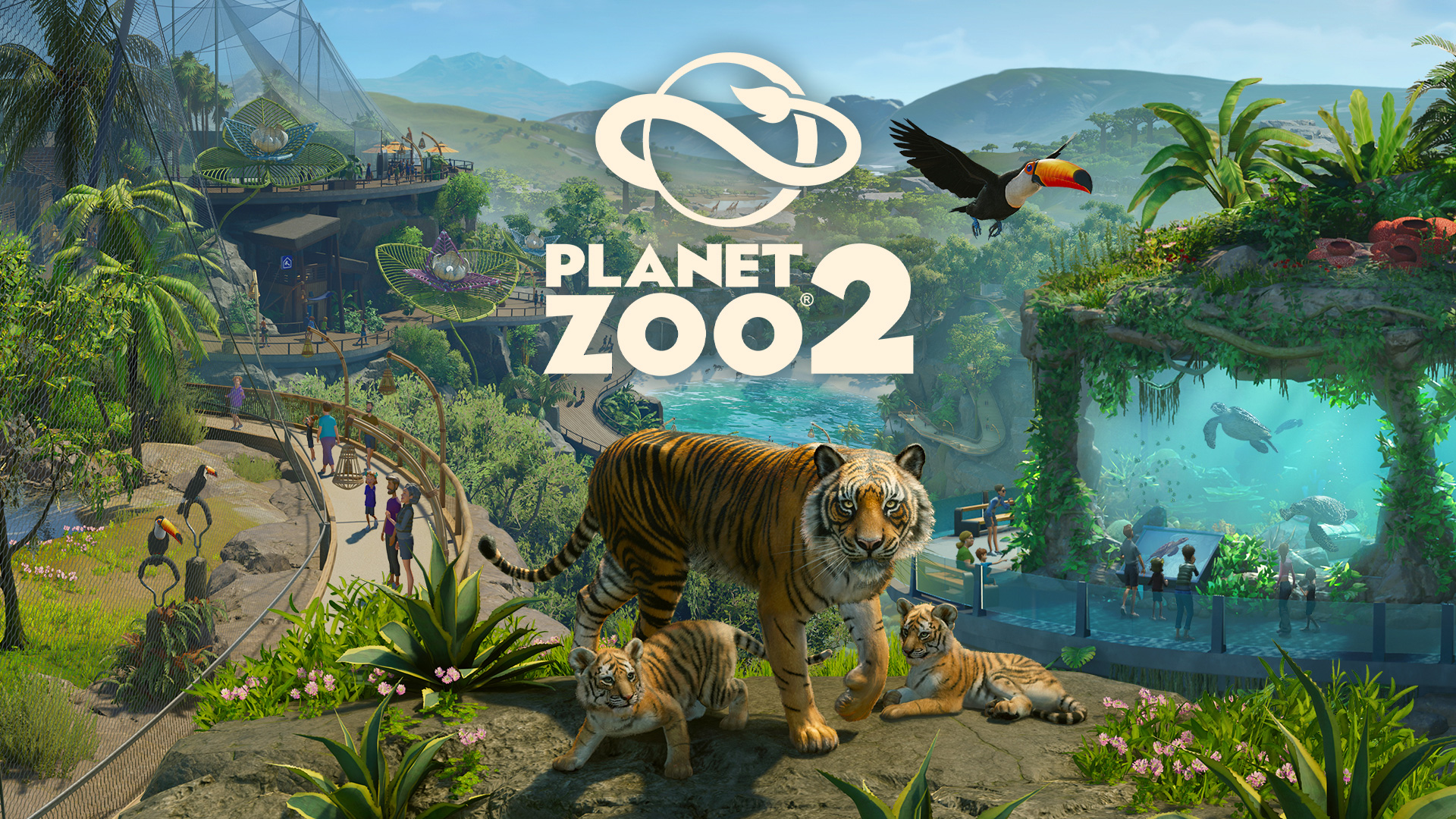
Planet Zoo players give more money to wildlife conservation than people who do not play, according to a study from the University of Oxford released in October 2026. In the online experiment, 272 players and 273 non-players had to recognize species, assess each one's risk of extinction and decide how much of a maximum amount of 20 pounds they would like to allocate to protecting the animals. The average chosen by the players was £7.16 — about R$49 at the October 18, 2026 exchange rate —, against £4.68 (about R$32) for the others. The positive effect appeared most strongly precisely among reptiles, the group least popular with the public.
What the Oxford study measured
The research was detailed in the paper Commercial video games improve species-related knowledge, perceptions, and action, published this month. The starting point was a recurring suspicion among researchers: excessive exposure to virtual animals could distort perception and value judgments about real species, creating a stronger bond with the little creature in the game than with the real animal.
To test this hypothesis, the team ran an online experiment with 545 participants divided into two groups. The focus was species that appear in Frontier Developments' zoo management game. Each participant had to identify species names and their conservation status, answer questions about affinity and perceived risk of extinction and, finally, decide how much of a 20-pound cap they would allocate to the conservation of that animal.
How much the players donated
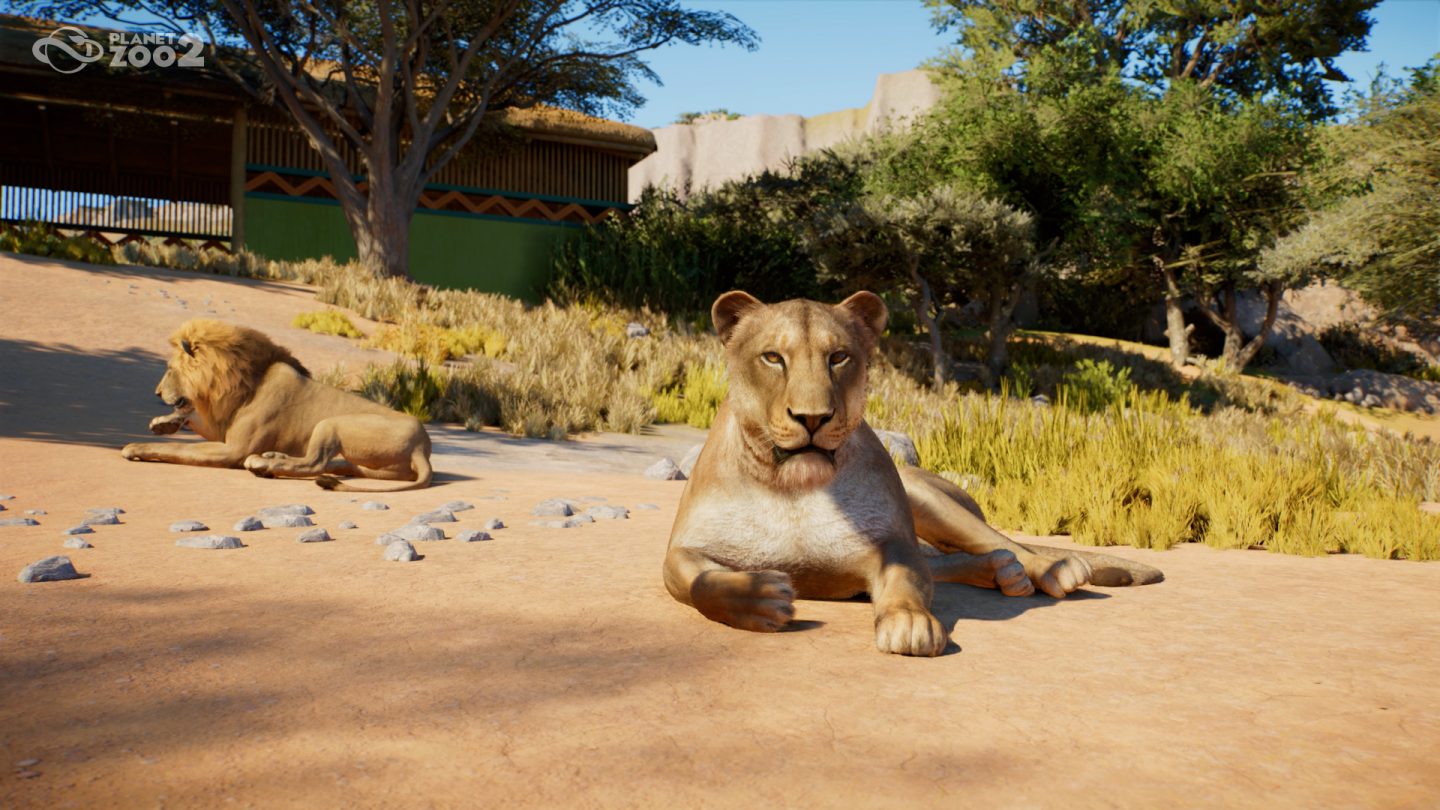
Those who had played for longer and in more recent sessions identified species names and conservation statuses more accurately, and also showed greater affinity for the animals, more awareness of extinction threats and higher donation amounts. The comparison numbers:
| Group | Average amount allocated (out of £20) |
|---|---|
| Planet Zoo players | £7.16 (about R$49) |
| Non-players | £4.68 (about R$32) |
Beyond the higher average, two other indicators reinforce the difference. The rate of participants who chose to donate the full £20 — the experiment's cap, equivalent to about R$136 — was three times higher in the players' group. Considering the results as a whole, the overall proportion was about 1.5 times above that recorded among non-players.
Reptiles, mammals and the fear of the "virtual animal"
The finding that drew the most attention from the researchers is in the comparison between groups of animals. The positive effect of the gaming experience was greater for reptiles than for mammals — that is, the familiarity built in the virtual environment seems to help above all the species that usually receive less attention from the public, and that therefore have less appeal in conservation campaigns.
The study's main concern also fell apart. When comparing the answers about the game's animals and about real animals, no negative effects were observed linked to the fact that a species exists inside a video game. In other words: knowing the digital version of an animal did not make participants care less about the version that lives in nature. The result suggests that management and simulation games can work as a gateway to real interest, and not as a substitute for it.
Inven Global itself, which reported the study, cautions that the correlation identified still needs additional confirmation. That makes sense: people who were already interested in nature before opening the game may be more prone both to playing Planet Zoo and to donating to conservation. Separating cause and effect would require following players over time, something a one-off experiment does not do.
What the researchers recommend
The study's conclusion is an invitation to the industry. According to the authors, whenever it makes sense, more developers should take part in the bridge between virtual nature and real-world nature — using the reach of games to bring the public closer to biodiversity topics and support those who work with conservation.

"The hope is that, by combining the diverse expertise and skills of game developers and conservationists, video games can engage the public with transformative messages."
This debate is not isolated. The research is part of a doctoral project at WildCRU, the wildlife conservation research center at the University of Oxford, led by researcher Katie Blake under the supervision of Diogo Veríssimo and Paul Johnson. The program studies how commercial games engage the public with biodiversity and has funding support from EPSRC, the British research council, and from the #NatureForAll movement, of the International Union for Conservation of Nature. The project details are on the official WildCRU page.
Planet Zoo 2 launches with aquatic animals and birds
The study arrives at a moment of renewal for the series. The first Planet Zoo was released for PC in November 2019 and established itself as one of the main zoo management titles on the market, focused on animal welfare, breeding of endangered species and release programs into the wild. The sequel, Planet Zoo 2, was released on October 13, 2026 and is available for PC, PlayStation 5 and Xbox Series X|S, according to Frontier Developments' official site.
Among the new features, the game introduces aquatic animals and birds to the habitat system for the first time, expanding the vocabulary of enclosures the player has to build — from aquariums to large aviaries. For those who like the genre, it is worth comparing with other management classics: the Zoo Tycoon profile shows how the formula was born and evolved, and our games hub gathers releases, reviews and guides for the genre.
What to watch from now on
For the reader who plays, the study's message is practical: if time spent building habitats increases knowledge about species, the perception of extinction risk and the willingness to support conservation, simulation games can be allies — and not just a pastime. For the industry, the invitation is different: to take on the educational role that today appears as a side effect and turn it into a design decision, with reliable information about conservation status and real threats built into the experience.
The original research was published in October 2026 under the title Commercial video games improve species-related knowledge, perceptions, and action, and the reporting for this article was based on the Inven Global story.
Entities in this article


Suggested and related articles

Astrae Oratio: 93% intend to play after global beta

K/DA: Riot announces Worlds 2026 brand collabs

US lawmaker proposes digital game ownership bill

Epic Claims Faster Launcher, but Valve Had a Patch First
42.4% of Steam fans play only on PC, survey finds