US lawmaker proposes digital game ownership bill
Published on · Updated on
Rep. Ritchie Torres' Power To The Players Act would turn game purchases into ownership, require offline modes when servers shut down and allow resales.
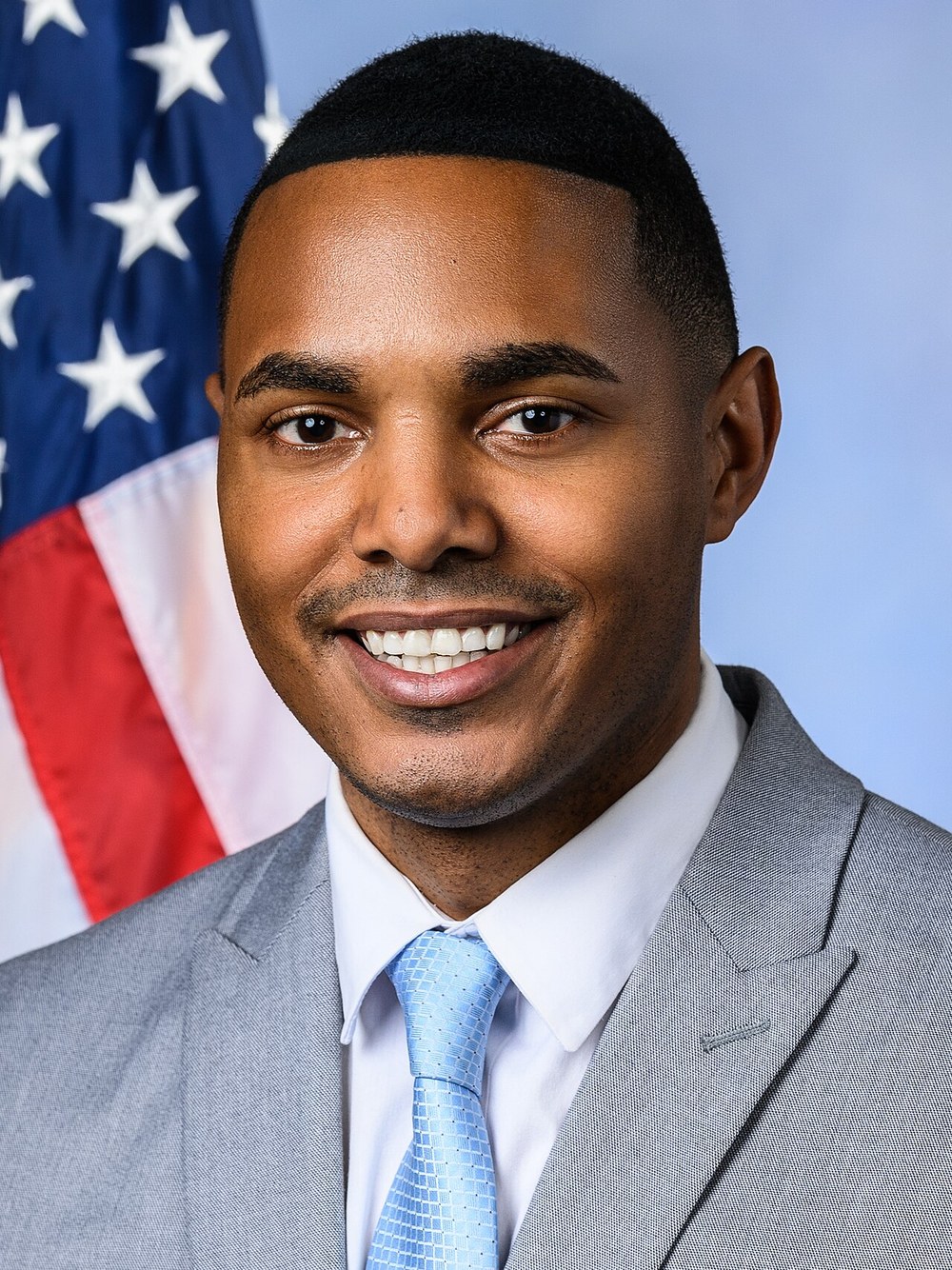
U.S. Representative Ritchie Torres (Democrat, New York) announced on October 15, 2026, that he will introduce the Power To The Players Act — "Players' Power Act", in a free translation —, a bill that directs the United States Federal Trade Commission (FTC) to create rules ensuring that whoever buys a game has ownership of the title, and not merely a revocable license to use it. The announcement was published by the lawmaker's office, which represents New York's 15th congressional district, in the Bronx.
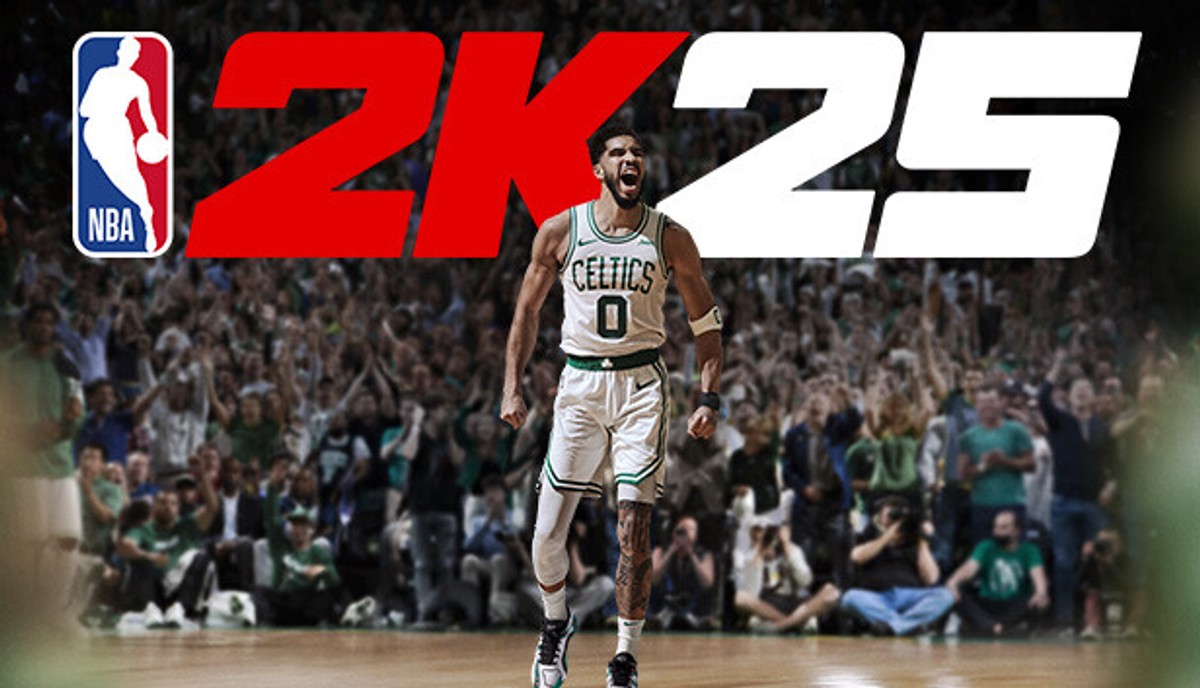
The text rests on three rights — to own, to play and to transfer — and comes with a carefully chosen example: NBA 2K25, which leaves digital stores on October 30 and loses its online servers on December 31, a little more than two years after arriving in stores. If it becomes law, the proposal would require games with online features to offer an offline mode before servers are shut down and would preserve the right to resell what was purchased. The path, however, is long: the bill has not yet been formally filed, has no number or cosponsors, and depends on committee review and a vote in the U.S. Congress.
The three rights the bill seeks to guarantee
According to the official statement, the Power To The Players Act starts from an observation: in recent years, the industry has shifted to exclusively digital games and consoles, eliminating the option to buy or use physical media. According to Torres's office, these titles "are often sold as revocable licenses rather than full ownership, leaving players dependent on the company's continued support."
The response comes on three fronts:
- Right to own: buying a game would come to mean ownership of the product, and not the granting of a license the manufacturer can revoke.
- Right to play: games with online features would have to offer an offline mode before servers are shut down, so that the title remains usable after the company ends the infrastructure.
- Right to transfer: consumers would not lose the right to resell or transfer the game they bought — something that does not exist today in any of the major digital stores.
The legislative design is the central point: the bill does not write the rules. It tasks the FTC with drawing them up. That shifts the dispute from case-by-case litigation in the courts to the terrain of federal regulation — and that is precisely where the proposal runs into its biggest legal obstacle, as will be seen below. Because it is a directive, details such as the notice period, penalties and the exact definition of what "offline mode" means do not yet exist in the text.
It is worth recalling what is in force today. When completing a purchase in stores such as Steam, PlayStation Store, Xbox, Nintendo eShop and Epic Games Store, the player accepts an end-user license agreement (EULA) that describes the acquisition as a license to use, not as a sale of ownership. It is this contract that sustains the practice of removing a game from the catalog or shutting down its servers without the buyer having an automatic right to a refund or to keep playing.
"It's not a purchase, it's a rental disguised as a sale"
"When you pay for a game, you should own it. Consumers need the right to own, the right to play and the right to transfer the games they buy. A game that can be taken from you the moment the company pulls the plug is not a purchase. It is a rental disguised as a sale. Families in the Bronx and across the country save up to buy these games, and they deserve better than a license that can disappear at any moment. The Power To The Players Act ensures that consumers own what they buy and can keep playing long after the company moves on."
Torres represents New York's 15th congressional district, which covers much of the Bronx, and is a frequent voice on consumer-protection issues in Congress. When announcing the bill, he tied the topic to his own story: in a phone interview with the site Kotaku, reproduced by technology outlets, the lawmaker described the proposal as a "restoration of the historical norm" from the era of cartridges and discs, when buying a game meant having it at home — and he cited titles that shaped him, such as Grand Theft Auto, Resident Evil and SOCOM.
The announced text deals specifically with video games, but the logic behind it — buying should mean owning — applies equally to movies, music and digital books, today sold under the same license-to-use model. Extending the rule to those markets would, however, require its own text: the Power To The Players Act, if filed, will address games only.
NBA 2K25: the example chosen by the office itself
Instead of discussing the problem in the abstract, Torres's statement cites a case with a set date. NBA 2K25, released in September 2024, will be removed from digital stores on October 30, 2026 and will have its online servers shut down on December 31, 2026 — a little more than two years after its debut. The game was sold for US$ 69.99 in the standard edition and US$ 99.99 in the All-Star Edition, the equivalent of about R$ 356 and R$ 509 at the exchange rate of October 18, 2026 (US$ 1 = R$ 5.09).
2K's official support page on the game's shutdown is explicit: those who already own the title will still be able to download and play the offline modes, but from January 1, 2027, it will no longer be possible to play multiplayer matches or access any online mode. MyCAREER and MyTEAM go offline along with them. The detail that turns the case into a political argument is that the MyCAREER campaign is single-player: the player's individual story exists, but depends on a connection — and, for that reason, stops being accessible.
| NBA 2K25 item | Status after shutdown |
|---|---|
| Reinstalling the game for those who already bought it | Kept |
| Offline modes | Kept |
| MyCAREER (single-player campaign) | Shut down — depends on a connection |
| MyTEAM | Shut down |
| Multiplayer and other online modes | Shut down on January 1, 2027 |
| Purchase in digital stores | Unavailable from October 30, 2026 |
The case is not isolated. It is the same script as dozens of live-service games that have gone offline in recent years, leaving libraries intact on players' consoles and PCs but with no way to open them. The difference now is that the example has left the specialized press and entered an official statement from a U.S. congressman, with prices, dates and the promise of regulation.
License, not property: what the courts have already decided
The legal argument behind the bill runs into a consolidated reading in the United States. The first-sale doctrine (first sale), which allows reselling a book, a disc or a cartridge, is read by American courts as not applying to digital software licenses: what the consumer acquires is the right to use, under the terms of the contract. It is this interpretation that explains the absence of any resale market for digital games on the major platforms.
This is not the first attempt to change that. In California, the Protect Our Games Act (AB 1921), by state assemblymember Chris Ward, was introduced in February 2026 and passed the state Assembly by 43 votes to 16 in late May. The text required 60 days' advance notice before servers shut down and offered consumers a way out: a refund, an offline mode or community servers. On June 30, however, the bill stalled in the state Senate's Business, Professions and Economic Development Committee — four votes in favor, three against and four abstentions. The committee agreed to reopen the discussion, but the proposal did not advance in this legislative session.
In Europe, popular pressure has already produced numbers. The European citizens' initiative "Stop Destroying Videogames", from the Stop Killing Games movement, gathered 1,294,188 verified signatures — above the 1 million required to force the European Commission to take a position on the issue. The movement was also the main backer of the California law. According to an account from a campaign volunteer to Engadget, the intention is to bring versions of the text to other state legislatures and to seriously evaluate the federal level.
How far it is from becoming law — and where it usually stalls
The Power To The Players Act is at the earliest possible stage: announced, but not filed. There is no bill number, no cosponsors and no committee assignment. In practice, most bills introduced in the U.S. Congress die before reaching the floor, and the recent record is not encouraging for those who favor tougher rules: California's state attempt, more modest than the federal one, stopped in a committee.
There is also a deeper legal question. Since 2024, with the end of the so-called Chevron deference (the case Loper Bright Enterprises v. Raimondo), the U.S. Supreme Court has reduced the leeway regulatory agencies had to interpret laws on their own. A bill that transfers to the FTC the power to create rules on digital game ownership will have to survive this tougher scrutiny — and a likely legal battle if the rules leave the drawing board.
On the other side of the table, the industry's lobbying is strong. The Entertainment Software Association (ESA), which represents the major publishers, worked against the California bill: Stop Killing Games volunteers told the site Engadget that the association brought in a lobbyist to block the proposal, including with the argument that private servers for games like Minecraft would be "illegal." As of the publication of this article, there was no recorded public statement from the ESA or from the major platforms — Sony, Microsoft, Nintendo, Valve, Epic Games and Take-Two — about the federal bill.
What this changes for those who play in Brazil
The practical effect for the Brazilian player is not immediate: an American law applies to the American market. But digital stores operate globally and rarely keep different rules per country, because adapting contracts, systems and refund flows is expensive. Regulatory changes in the United States tend to become a market standard — and the same goes for the European initiative, which could result in mandatory rules for the entire bloc.
In Brazil, there is no specific law on what happens when a company shuts down the servers of a game sold as a product. The most advanced discussion continues to come from abroad, which makes Torres's bill a gauge of what could reach Brazil in the coming years.
And the problem is not theoretical. In August, a developer shut down the servers of The Midnight Walkers and converted the game into peer-to-peer PvE so that it would not leave the libraries of those who had bought it. On PlayStation, the decision to end physical media production on the PS5 produced a petition with 280,000 signatures and raised the "end of ownership" alarm among players and developers. On Xbox consoles, the conversion of discs into digital licenses stalled on the refusal of publishers such as Ubisoft, Square Enix, Sega and Bandai Namco. They are three symptoms of the same conflict between buying and owning.
What to watch now is simple and measurable: the formal filing of the Power To The Players Act as a bill, with a number and cosponsors. Without that step, the October 15 announcement remains a statement of intent. If the text is filed, the discussion stops being about whether the proposal is a good idea and becomes about its scope — who is left out, how it is enforced and what happens to libraries already purchased. You can follow news from the world of games in our Games section.
Sources: official statement from Representative Ritchie Torres's office (ritchietorres.house.gov), 2K's support page on the NBA 2K25 shutdown (support.nba2k.com), Engadget's report on the Protect Our Games Act (engadget.com), the official website of the Stop Killing Games movement (stopkillinggames.com), the European Citizens' Initiative "Stop Destroying Videogames" (citizens-initiative.europa.eu) and the Entertainment Software Association (theesa.com).
Suggested and related articles
Need for Speed: Underground 2 now runs in your browser
PlayStation: End of physical media sparks 280K-signature petition as devs warn of 'end of ownership'
Physical media numbered? Ubisoft CEO downplays the end of discs on PlayStation
Mattel Creates Its Own Game Studio to Bring Barbie, Uno and Hot Wheels to Video Games
Epic Claims Faster Launcher, but Valve Had a Patch First