INDIECRAFT 2026 crowns INARI and six Korean indie games
Published on · Updated on
INARI, from 1HP Studio, wins the 40 million won Grand Prize at INDIECRAFT 2026 in Seongnam, South Korea, an event that also honored university student teams.
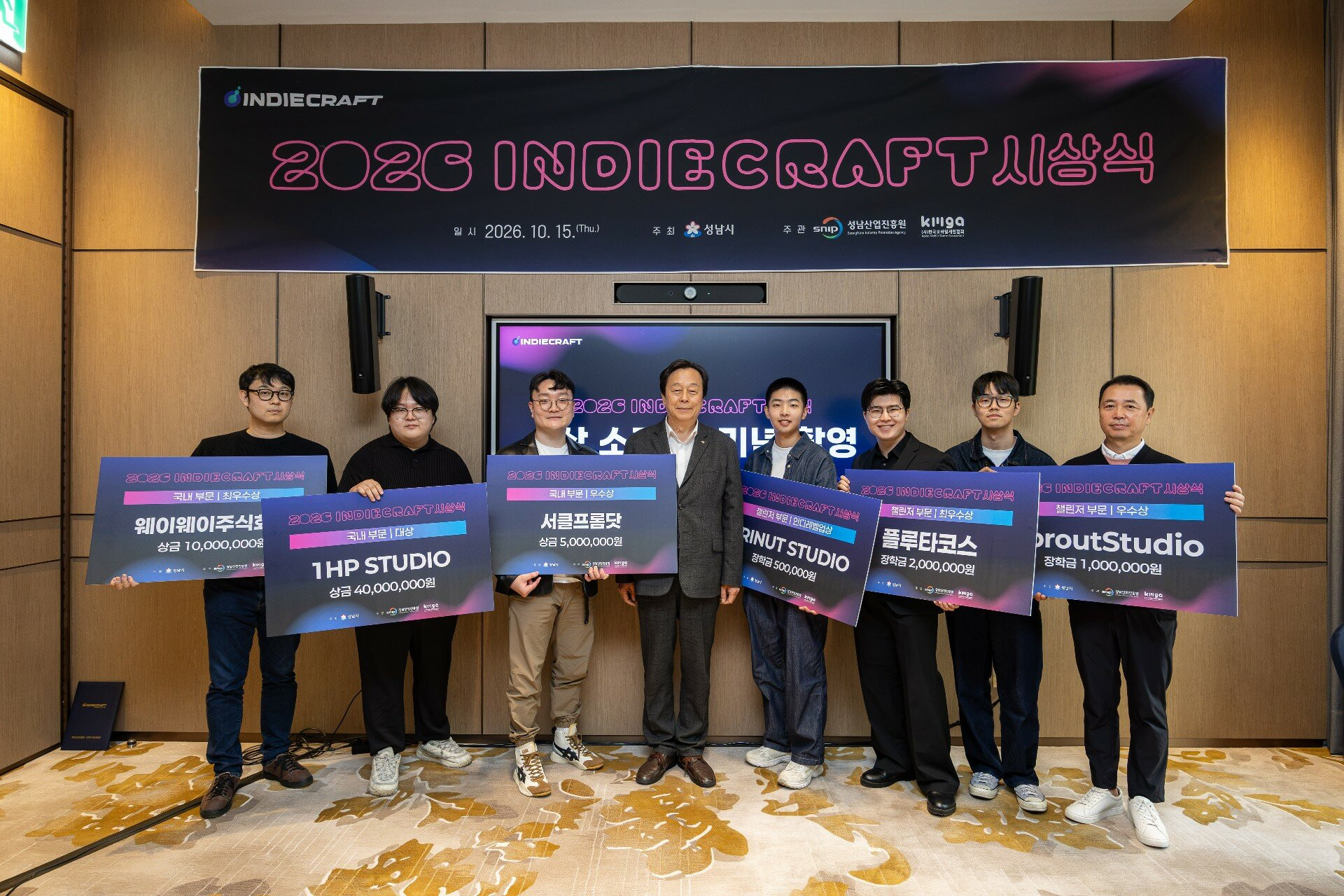
The 2026 INDIECRAFT, South Korea's flagship showcase for independent games, awarded six developers on Thursday, October 15, in Seongnam. The Grand Prize in the Domestic/Community division went to INARI, from 1HP STUDIO, which received 40 million won. The ceremony took place at Hyatt Place Seoul Pangyo and was hosted by Seongnam City, the Seongnam Industry Promotion Agency (SIPA) and the Korea Mobile Game Association (KMGA), closing a roughly seven-month program that began in March and included a stop at Gamescom in Germany. A total of 72 developers were selected this year: 52 in the Domestic division and 20 in the Challenger division, aimed at university teams.
A 40 million won prize for INARI
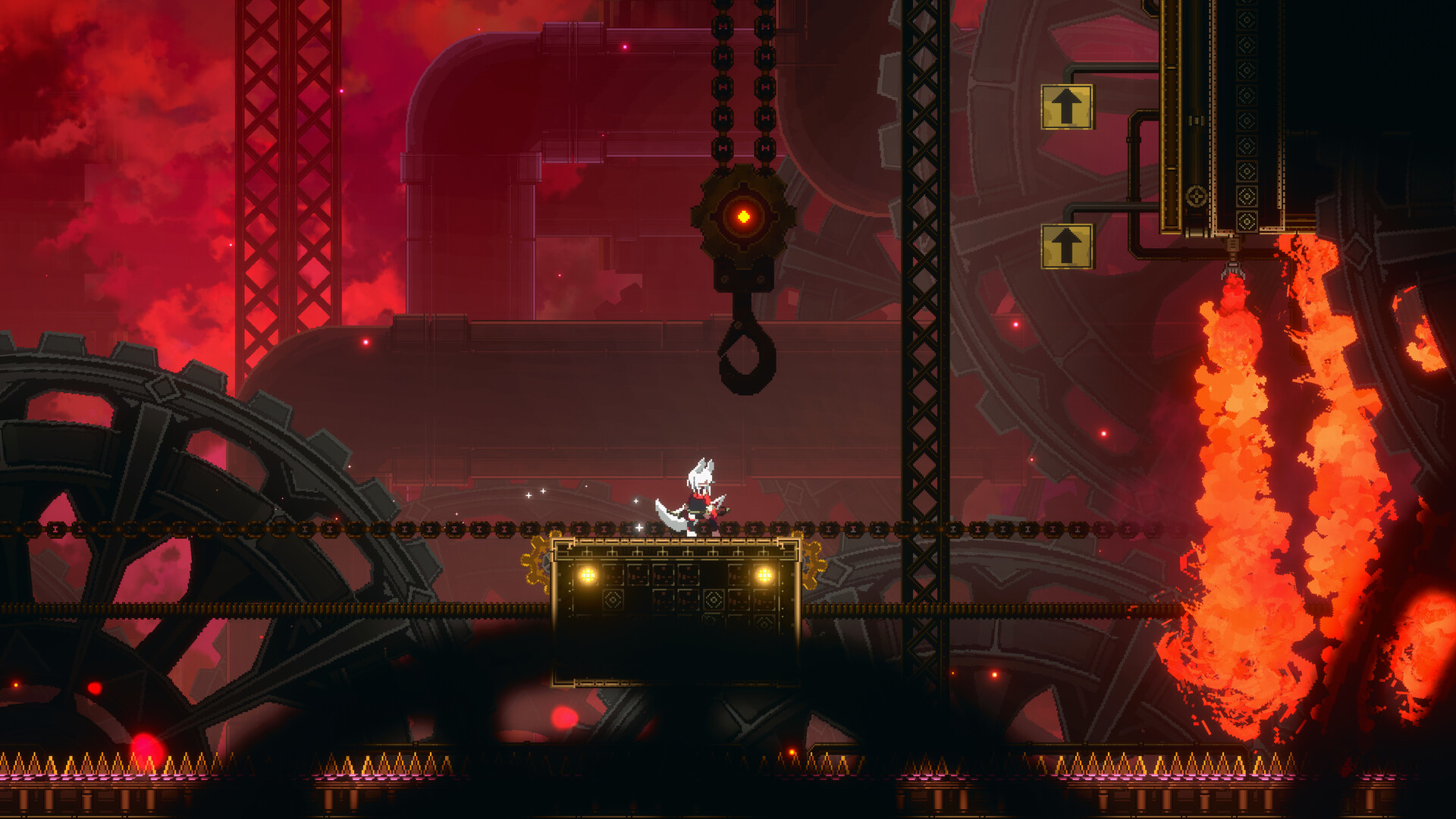
INARI is a high-speed action platformer played with a single life. Set in an Eastern fantasy world where mythology and steel collide, the game was praised by organizers for its level of polish. 1HP STUDIO was founded in 2025 by six university friends and had already won the Grand Prize at GIGDC 2025 and the Best Student award at the Busan Indie Connect Festival (BIC) 2025.
The studio's Kickstarter campaign, launched in January 2026, hit its funding goal in just 17 minutes, according to Korean games media. The game has a Steam page, where a playable demo was released, but a final launch date has not been confirmed. The core mechanic is throwing kunai and instantly teleporting to wherever the blade lands, allowing rapid repositioning and combos.
"Indie games are made not through large capital, but through passion and fresh imagination. I hope today's awards serve as a small reward for the time and effort poured into these projects."
The six 2026 INDIECRAFT winners
Beyond the main trophy, organizers distributed cash prizes and scholarships to the top three in each division. In the Domestic division, the ranking combined a first-round document review with second-round focus group tests (FGT) involving the public. The final standings were revealed only on stage.
| Division | Award | Game | Studio | Prize |
|---|---|---|---|---|
| Domestic | Grand Prize | INARI | 1HP STUDIO | 40 million won |
| Domestic | Excellence Award | Aksun | Wayway | 10 million won |
| Domestic | Merit Award | Kusan: City of Wolves | Circle From Dot | 5 million won |
| Challenger | Excellence Award | Theseus | Plutarchos | 2 million won scholarship |
| Challenger | Merit Award | War in the Dark | Sprout Studio | 1 million won scholarship |
| Challenger | Indie Level-Up Award | Pass the Bomb: Runner | TRINUT STUDIO | 500,000 won scholarship |
A jury with 70% public weight
INDIECRAFT's main distinction is its judging model. In the Domestic division, 30% of the score comes from the first-round document review and 70% from focus group testing with real users, who play the games before the final decision. In practice, winners are chosen as much by players as by experts, an attempt to reward games people actually enjoy rather than only well-written pitches.
The tradition of passing the torch was also preserved. Jae-eun Yun, co-CEO of ONE N ONE, last year's Domestic division winner, attended the ceremony and handed trophies to this year's teams, sharing what the past year had been like and encouraging fellow developers. The organizing committee plans to keep the gesture as an INDIECRAFT trademark: each champion presents the following year's winners.
Seven months from Gamescom to Pangyo
INDIECRAFT 2026 was more than an awards night. The program ran for about seven months, starting in March, and included the announcement of selected titles, a promotional booth at Gamescom in Germany, an offline exhibition tied to GXG 2026 and export consultation sessions at the Connect Fair. The edition set a record for entries: 417 projects, with 295 in the Domestic/Community category and 122 in the Challenger category, surpassing the previous record of 326 in 2024.
Of that total, 72 studios were selected. At the September exhibition at Tech One Tower in Pangyo, 51 selected studios ran live booths, and the top three in each division received their awards at the closing ceremony. Organizers attribute the growth to larger financial incentives and practical business support, including the Connect Fair.

"To ensure these awards are more than just a one-time honor, we will spare no support to drive meaningful growth, including securing investment, publishing and overseas expansion."
Meet the new highlights of the Korean indie scene
Aksun and Korean shamanism
The Domestic division's Excellence Award went to Wayway's Aksun, a hack-and-slash action roguelike based on Korean shamanism. The title received 10 million won and leans on a strong cultural identity, with folklore elements that could work as a differentiator in international markets.
Kusan: City of Wolves
The Merit Award went to Circle From Dot's Kusan: City of Wolves, described as a hardcore top-down shooter. The studio took home 5 million won. The mix of high difficulty and urban setting places the project in a niche with a loyal PC audience.
Theseus and tactical body-cam combat
In the Challenger division, aimed at university teams, the standout was Plutarchos' Theseus, a tactical FPS that combines a commander's operational decision-making with mercenaries' body-cam perspectives. The team received a 2 million won scholarship.
War in the Dark and Pass the Bomb: Runner
The Challenger Merit Award went to Sprout Studio's War in the Dark, a turn-based strategy game depicting Morse-code information warfare on 1950s battlefields in 1-bit pixel art. The scholarship was 1 million won. The Indie Level-Up Award, worth 500,000 won, went to TRINUT STUDIO for Pass the Bomb: Runner, a balance action game in which the player runs while controlling a bomb's center of gravity.
What comes next for the winners
For developers, the cash is only part of the prize. Organizers promise to help turn the ceremony's visibility into contracts, investment and access to overseas markets. INARI is a case in point: the studio arrives at the award with a successful crowdfunding campaign, a Steam demo and previous prizes, but still needs a release date and publishing support to turn hype into revenue.
South Korea's indie scene is expanding. The Ministry of Culture, Sports and Tourism has proposed 13.8 billion won for indie games in 2027, expanding support to 200 projects, according to specialized outlets. INDIECRAFT thus positions itself as one of the entry points into that ecosystem, with Pangyo, the Seongnam district that concentrates tech and games companies, as its gravitational center.
For international players, the winners list works as a map of what may reach PC and consoles in the coming months. It is worth watching the action and strategy projects coming out of Pangyo, and comparing them with what Brazil's independent scene has produced, as we covered in our piece on indie shooters made by a single developer. More games industry news is available in O Santuário Geek's games section.
The original report was published by Inven Global, based on an organizers' release. Additional details on the winners and the event schedule are available at IndieGame.com.
Suggested and related articles
Demon's Night Fever Gets Korean Release on PS5, Switch, PC
Duet Night Abyss 1.7 Adds Rhythm: Flamewrought

A Game About Digging A Hole Together lands December 4
Toei Games debuts at gamescom asia with three indie games
Capcom Confirms G-STAR 2026 Spot With 35 Booths