Wordle in Portuguese: How to Play and Termo Differences
Published on · Updated on
The official Wordle exists only in English. See how to play the Brazilian Termo, compare the rules and find where to play both daily word games for free.
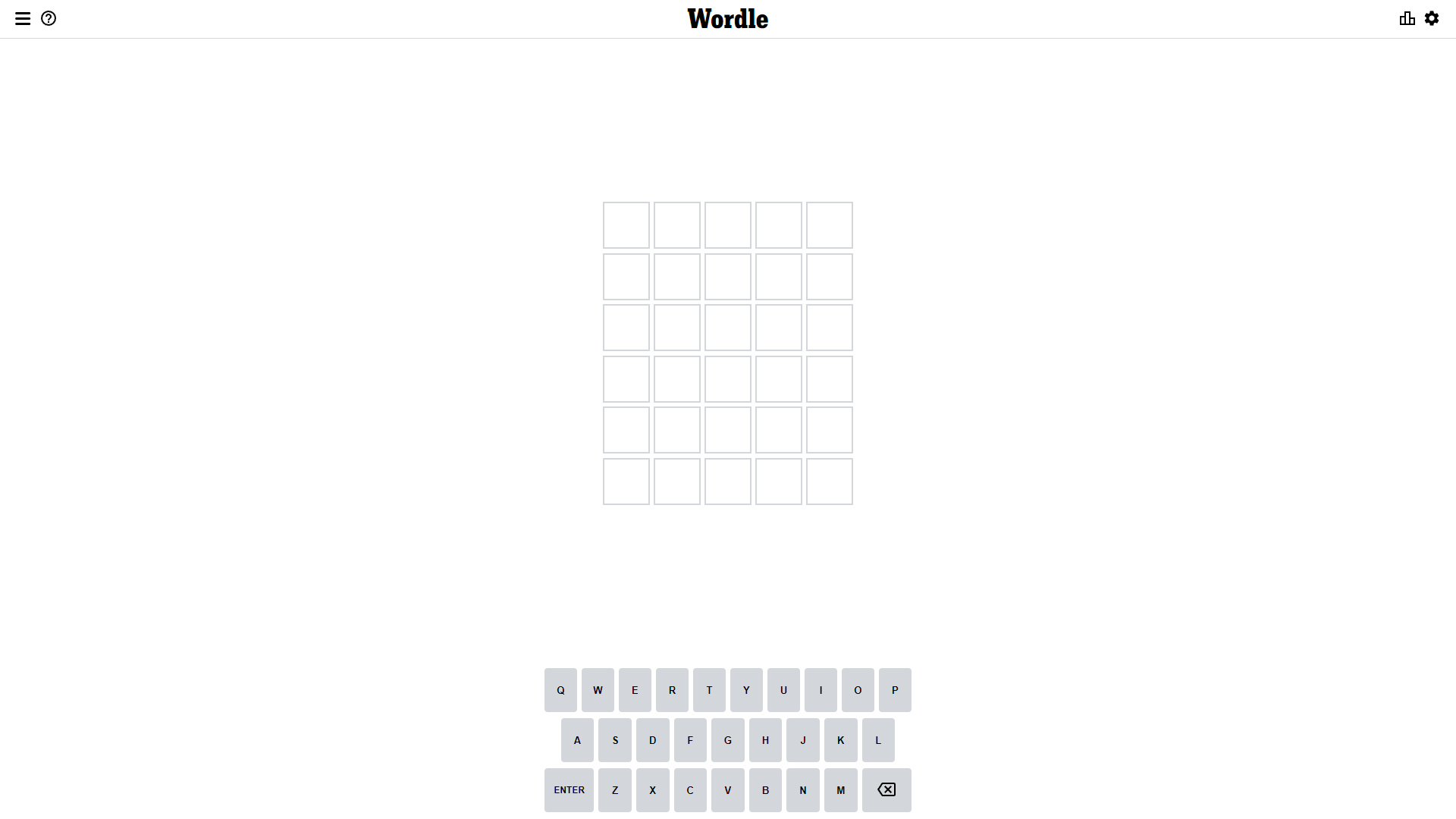
Anyone searching for Wordle in Portuguese runs into a common confusion: The New York Times game exists only in English. On Tuesday, November 17, 2026, the puzzle reaches No. 1,977, edited by Tracy Bennett. The best-known Brazilian alternative is Termo, created by Fernando Serboncini in January 2022. It uses five-letter Portuguese words, gives players six attempts and is free in the browser. This guide explains how to play each game, what changes in the rules and where to find both versions without paying.
Today's Wordle: puzzle No. 1,977
Tuesday's challenge is No. 1,977. According to TheGamer's daily guide, today's word is considered easier than yesterday's, with two traditional vowels and no repeated letters.
Spoiler warning. The answer to Wordle No. 1,977 is ROAST. The word applies only to the original English game: Termo has its own daily Portuguese word and does not repeat the NYT answer.
Wordle refreshes at midnight in the player's time zone. Miss the deadline and your streak resets, even if you solve the puzzle later. That rule helps explain why so many players made solving the daily puzzle part of their morning routine — and why localized versions spread so quickly.
Is there a Wordle in Portuguese?
There is no official Portuguese version of Wordle. The game page, the NYT Games app and the official New York Times help center are in English, and the answers follow American English, curated with the Oxford Dictionary. Termo is an independent project: it started as an adaptation of the mechanic for Portuguese, but it is not affiliated with the newspaper and is not an official translation.
The distinction matters when searching for the game. Apps with similar names, sold in stores as “Wordle in Portuguese,” are usually unofficial clones, often with ads and in-app purchases. Termo has no app: it runs directly in the browser at term.ooo.
“Termo is not a copy of Wordle, nor a site created to compete with it. Josh even helped other developers create versions of the game in other languages.”
— Fernando Serboncini, Termo's creator, in an interview with Superinteressante (translated from Portuguese)
How to play Wordle: the official rules
Wordle is a daily word game: there is one five-letter word per day and six attempts to find it. The rules are simple, but a few details help you plan your guesses.
- Open the official game at nytimes.com/games/wordle. The daily puzzle is free; a NYT account lets you save statistics and play across devices.
- Type a five-letter word and press Enter. The game only accepts words in its dictionary.
- Read the colors. Green means the letter is correct and in the right position; yellow means the letter is in the word but in another position; gray means the letter is not in the answer.
- Use the feedback to narrow things down. Repeated letters count: if you guess a letter twice and only one copy lights up, the other occurrence is not in the word.
- Try Hard Mode if you want a challenge. Every revealed hint must be used in later guesses, which leaves less room for elimination guesses.
- Share the result as a grid of colored squares that does not reveal the word. That feature turned the game into a social media phenomenon.
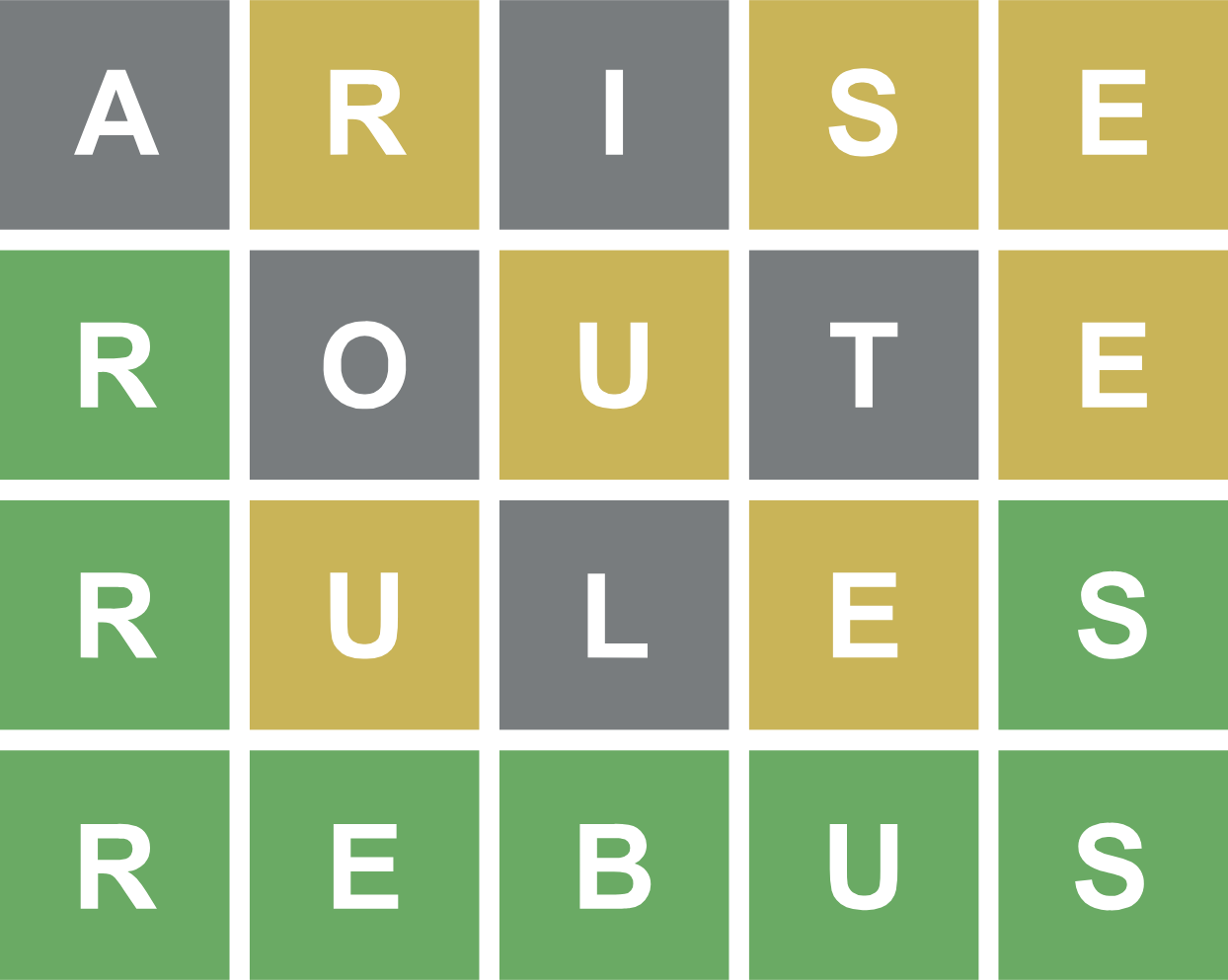
The full Wordle archive, with puzzles going back to June 2021, and WordleBot — a tool that analyzes how efficient each guess was — are features for NYT Games subscribers. The daily challenge itself is free. Official statistics include games played, win percentage, current streak and max streak; a streak only counts if the puzzle is solved before midnight local time.
How to play Termo in Portuguese
Termo follows the same logic but was adapted for Brazilian Portuguese. The daily word has five letters, and players have six attempts to find it. The site is free, shows no ads and, according to its own privacy page, uses no cookies and does no tracking.
- Open term.ooo in a phone or computer browser. There is no official app to install.
- Guess a five-letter Portuguese word. The game checks whether the word is in its list and colors the tiles.
- Read the colors. The logic matches Wordle: green for the right position, yellow for a letter in another position and gray for a letter that is not in the answer.
- Do not worry about accents. Termo fills accents automatically, and they are not counted as hints. Words with repeated letters are also allowed.
- Try the extra modes. Besides classic Termo, the site offers Dueto (two words at once) and Quarteto (four words), plus Termostato, a panel with the previous day's statistics.
- Come back tomorrow. A new word is released daily and is the same for every player.
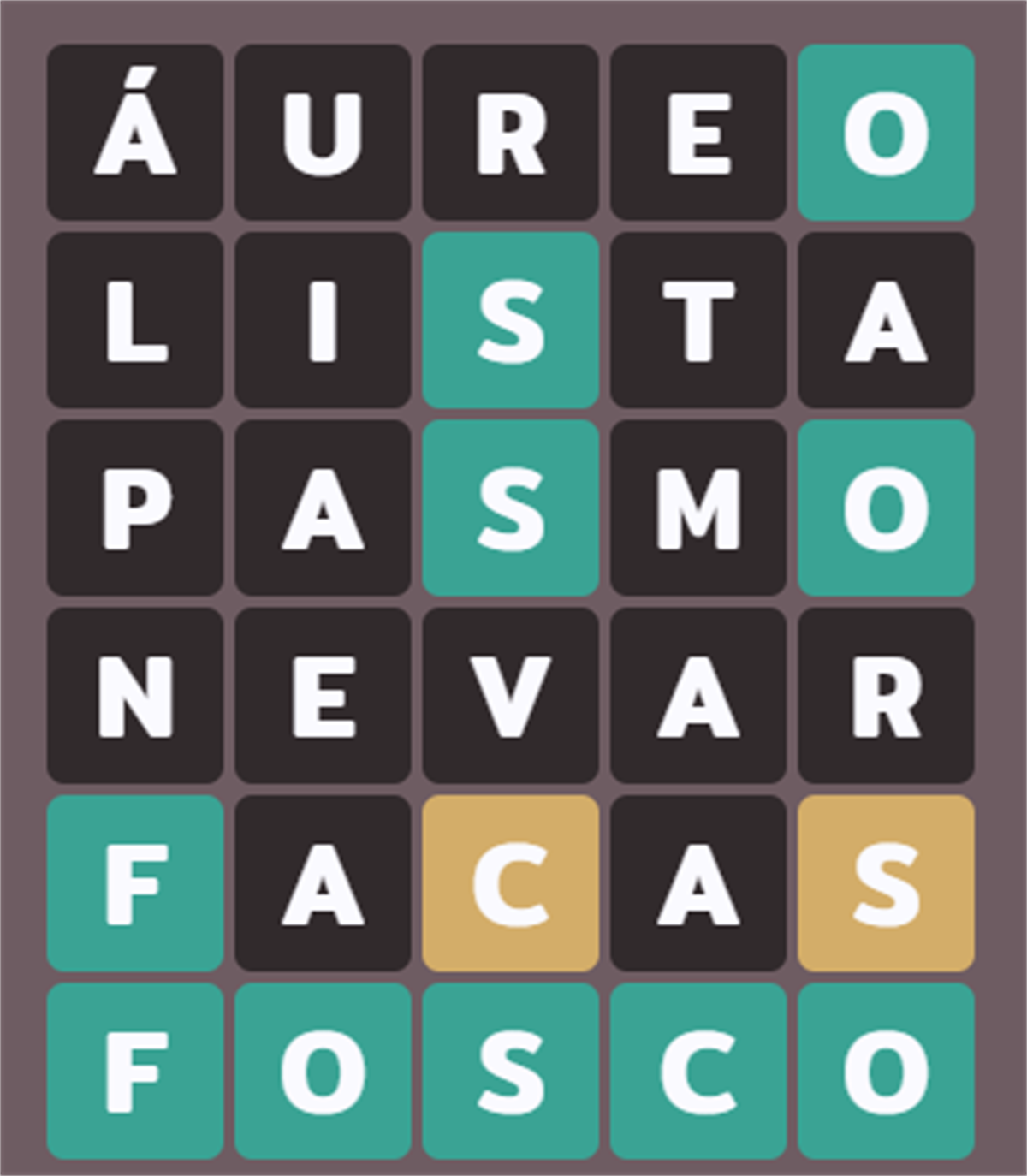
Termo's list contains about 18,000 five-letter words, which, according to its creator, would be enough for more than 50 years of games without repetition — though the answer pool is smaller and gets revised. The curation favors Brazilian Portuguese, which has drawn complaints from players in Portugal over words such as “mamãe” and “miojo.”
The main differences between Wordle and Termo
| Criterion | Wordle | Termo |
|---|---|---|
| Language | American English | Brazilian Portuguese |
| Where to play | NYT website and NYT Games app | Browser, at term.ooo |
| Attempts | 6 for a five-letter word | 6 for a five-letter word |
| Accents | Not applicable | Filled automatically and ignored in hints |
| Dictionary | Curated with the Oxford Dictionary | About 18,000 words, with an open list |
| Extra modes | Hard Mode, archive and WordleBot | Dueto, Quarteto and Termostato |
| Price | Daily game free; extras by subscription | Free, with no ads |
| Streak | Tied to the NYT account and local time | Statistics on the site itself |
In practice, the biggest difference is linguistic. Wordle requires English vocabulary and gives clues that only make sense in that language; Termo uses everyday Brazilian words, with accents and terms that appear in conversations, news and documents. For anyone learning English, Wordle works as a daily vocabulary exercise; for anyone who wants to play in their native language, Termo is the most direct option.
Where to play for free
- Official Wordle: nytimes.com/games/wordle. One puzzle a day, at no cost; the archive and WordleBot require a subscription.
- Termo: term.ooo. Free, ad-free, with Dueto and Quarteto. The About page explains the project's origins and the word list license.
- Letreco: gabtoschi.com/letreco. Another free Brazilian adaptation with a similar concept and five-letter words.
Be wary of apps that promise “Wordle in Portuguese” with the original's look. Many are clones with no connection to the NYT or Termo, display ads and may charge for features that the official sites offer for free. For a daily game at no cost, the two addresses above are enough.
Why Termo became a hit in Brazil
Termo launched on January 5, 2022, with the word “festa.” Within an hour, more than 20,000 people were playing; in less than ten days, the game reached 100,000 daily players. By February of that year, according to the Portuguese-language Wikipedia, the site was attracting more than half a million users a day, with about 85% of its audience in Brazil.
Its success came from adapting the Wordle formula without relying on automatic translation. Serboncini built his own lexicon, drawing words from operating system dictionaries, social media and legal documents, and later opened the list to other developers. The simplicity of the format — one word a day, six attempts, a shareable grid of squares — did the rest.
“In that small daily dose of a word, it makes you think enough to be a good challenge. Guessing won't help: you need a strategy. And when you get it wrong, it's frustrating, but fair. On top of that, it's visually attractive.”
— Fernando Serboncini, on what led him to create Termo (translated from Portuguese)
Success also brought challenges. The Brazilian list includes words that do not exist in European Portuguese, and the curation has to balance common vocabulary, regional terms and obscure words. The Portuguese version remains free, with no advertising and no collection of personal data, according to the site itself.
Tips to guess better in Wordle and Termo
The strategies work for both games, with small language adjustments.
- Start with two vowels and common consonants. In English, words such as CRANE and SLATE are popular; in Portuguese, options such as CARTA, PEDRA and LIVRO cover common letters without too much repetition.
- Avoid repeating letters early. Unless you have a strong hypothesis, each new letter provides more information than insisting on one that has already appeared.
- Use the colors to eliminate, not only to confirm. A yellow tile means the letter is in the word; moving it to another position on the next guess is the fastest way to test hypotheses.
- Save the last guess for a word that fits. If only a few letters remain, prioritize a combination that covers every open possibility, even if the word looks unusual.
- Think before turning on Hard Mode. The rule requiring every hint to be reused leaves less room for elimination guesses and increases the risk of getting stuck.
Players who enjoy both can use Wordle as an English warm-up and Termo as a Portuguese challenge. Because the puzzles are independent, comparing results is harmless: the daily word is different in each game, and sharing is more about showing performance than giving away the answer.
Which one should you choose?
If the goal is to practice English and follow the original phenomenon, Wordle is the natural choice. If you want to play in your native language, with no ads and everyday Brazilian words, Termo fills the “Wordle in Portuguese” role on its own — and does not depend on an official version that, to this day, does not exist.
For more daily challenges and other genres, check the games section of Santuário Geek and its games coverage page, which brings together guides, releases and reviews. The important thing is to pick a fixed time, solve the puzzle before midnight and keep your streak alive.
Suggested and related articles

Modern Warfare 4 PC requirements and 60 fps settings

A Link Between Worlds on Switch Online? What We Know

Barbie Rewind: the Barbie game that launched before GTA 6

Roblox accused of scraping 145GB in 3D models for AI
Demon's Night Fever Gets Korean Release on PS5, Switch, PC