We Were Here Tomorrow Launches in October With Time Travel, Eighties Retro Style and the Franchise's Biggest Co-op Puzzle
Published on · Updated on
We Were Here Tomorrow launches October 20 with full crossplay, 80s retro-futuristic style and puzzles bending time and gravity.
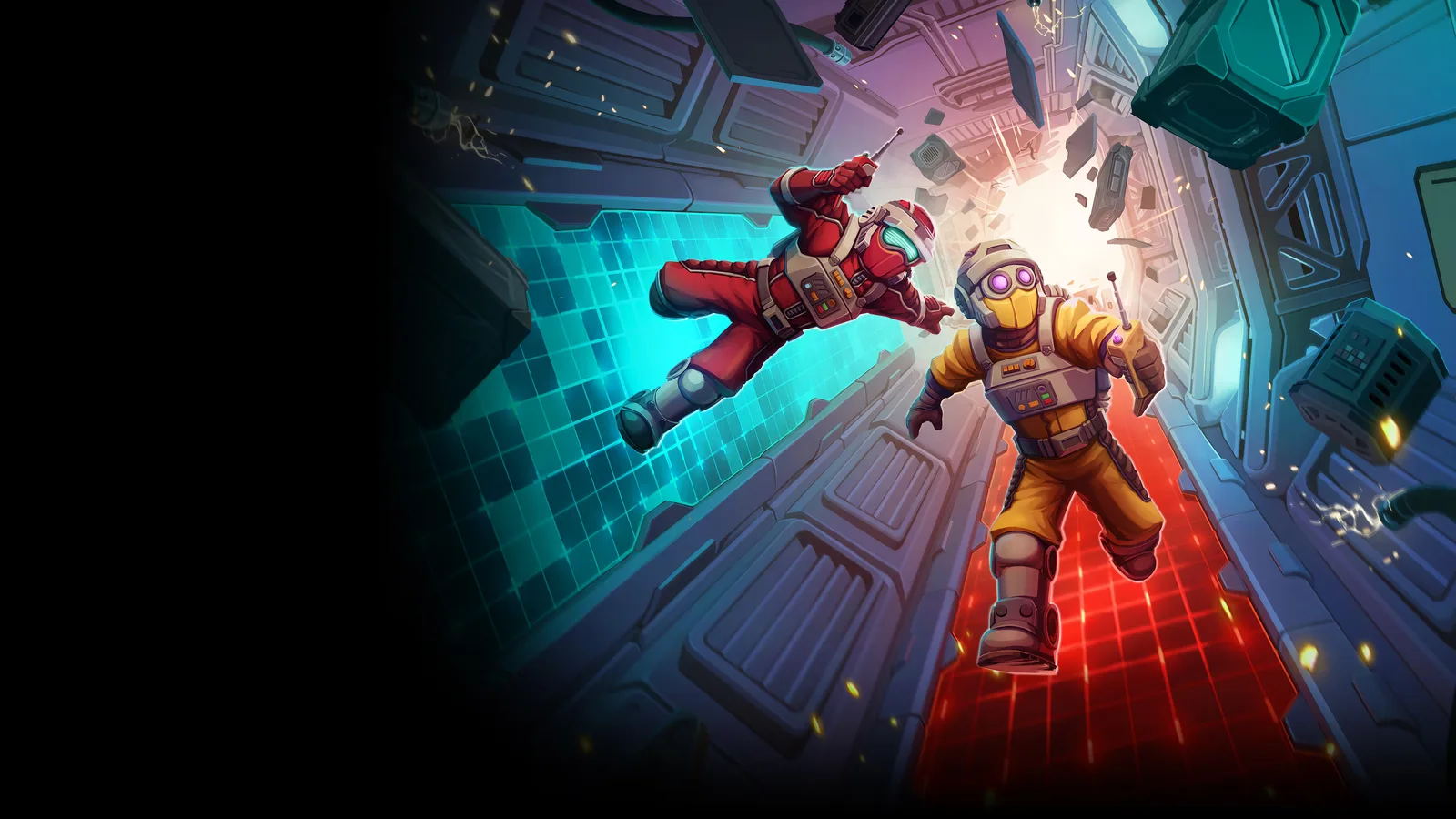
Dutch developer Total Mayhem Games has confirmed that We Were Here Tomorrow will officially launch on October 20, 2026. The new chapter in the acclaimed cooperative saga will arrive simultaneously on Steam, PlayStation 5 and Xbox Series X|S, with cross-platform play support from day one. The project has already passed 350,000 wishlist additions and stands as the largest and most ambitious production in the history of the Rotterdam-based studio.
The evolution of the asymmetric formula inside Norcek Industries
The We Were Here series built its reputation on an essential technical premise: two players physically separated inside a hostile environment, unable to see each other's screen, forced to describe their surroundings over walkie-talkie radio communication to solve linked puzzles. We Were Here Tomorrow keeps that structural foundation but leaves behind the gothic castles and frozen tundras of Castle Rock in favor of a retro-futuristic aesthetic inspired by 1980s science fiction.
The story takes the duo to the Norcek Industries facilities, a gigantic research complex abandoned after bizarre incidents involving a missing science team. The art direction leans heavily on analog synthesizers, neon lighting, monochrome computer terminals and an immersive synthwave soundtrack. Creative director Martin Mittner explained that the central idea of the new project is to expand the scale of traditional logic puzzles, turning the setting itself into an interactive high-tech labyrinth.
Manipulating time, space and gravity: what changes in practice
The puzzles in We Were Here Tomorrow break with the mechanical gears and levers of the classic titles to introduce dynamic physical rules. This time, the technological equipment carried by each explorer performs complementary asymmetric functions that interact directly with temporal anomalies and gravitational force fields.
In gameplay terms, one team member may be in charge of manipulating a room's timeline to restore machinery destroyed in the past, while the partner in the present must disarm energy traps in real time before the distortion closes. Variable gravity also enters as a central mechanic, requiring room orientations, walkable ceilings and three-dimensional projections to be interpreted with surgical precision over voice chat to avoid killing both characters.
Communication gains extra layers of difficulty with interference noise in transmissions and operational limits on handheld devices. Precision in the players' vocabulary remains the only real survival tool: describing cryptic symbols, mathematical coordinates and control panels without shared visual references keeps producing the famous comedic and chaotic friction that turned the franchise into a streaming phenomenon.
Almost a decade of history and 15 million players
The rise of Total Mayhem Games reflects one of the most successful independent cases in the European video game industry. Born in 2017 as a small student project distributed for free on PC, the first We Were Here immediately caught the attention of content creators and virtual escape-room enthusiasts with the psychological tension created by isolation and mutual dependence.
Over almost ten years in the market, the studio aggressively expanded its catalog and technical team, growing from a small group of university students into an established structure with more than 40 developers in Rotterdam. The release schedule built a continuous evolutionary line within the genre:
- We Were Here (2017): The free kickoff that defined the franchise standard, set in the forgotten dungeons of Castle Rock.
- We Were Here Too (2018): The first large-scale commercial sequel, deepening the secret-room design and refining lighting and graphics rendering.
- We Were Here Together (2019): Introduced outdoor stages in polar camps before entering the castle, plus devices with analog gauges for the explorers' inventory.
- We Were Here Forever (2022): The longest production of the classic era, expanding the Mad King mythology with voice acting and detailed cinematics.
- We Were Here Expeditions: The FriendShip (2023): A focused experience of quick mechanical co-op trials, designed as a friendly entry point for new players.
Together, the five previous games reached a cumulative base of more than 15 million players worldwide, ensuring the longevity and financial sustainability the team needed to take the production leap represented by Norcek Industries.
Crossplay support at launch and technical availability
Confirmation of full cross-play between PC (Steam), PlayStation 5 and Xbox Series X|S at launch removes one of the most critical barriers in closed two-player cooperative titles. Friends using hardware from different generations and ecosystems will be able to connect directly through the Dutch developer's proprietary matchmaking system.
The game has been optimized to take advantage of the solid-state drive (SSD) loading speeds of current-generation consoles and modern computers, eliminating wait times during transitions between high-polygon-density industrial wings. The October 20 launch opens the year-end calendar for anyone seeking a multiplayer experience focused purely on shared reasoning, vocal coordination and mutual patience in the face of technological disasters.
Suggested and related articles
Mycopunk leaves Early Access, launches on PC and PS5

Definitive Aniimo Multiplayer Guide: Play With Friends and Master Co-op
Ragnarok Online PLUS+ Opens CBT in South Korea

Football Manager 27 Gets 5-Day Free Trial
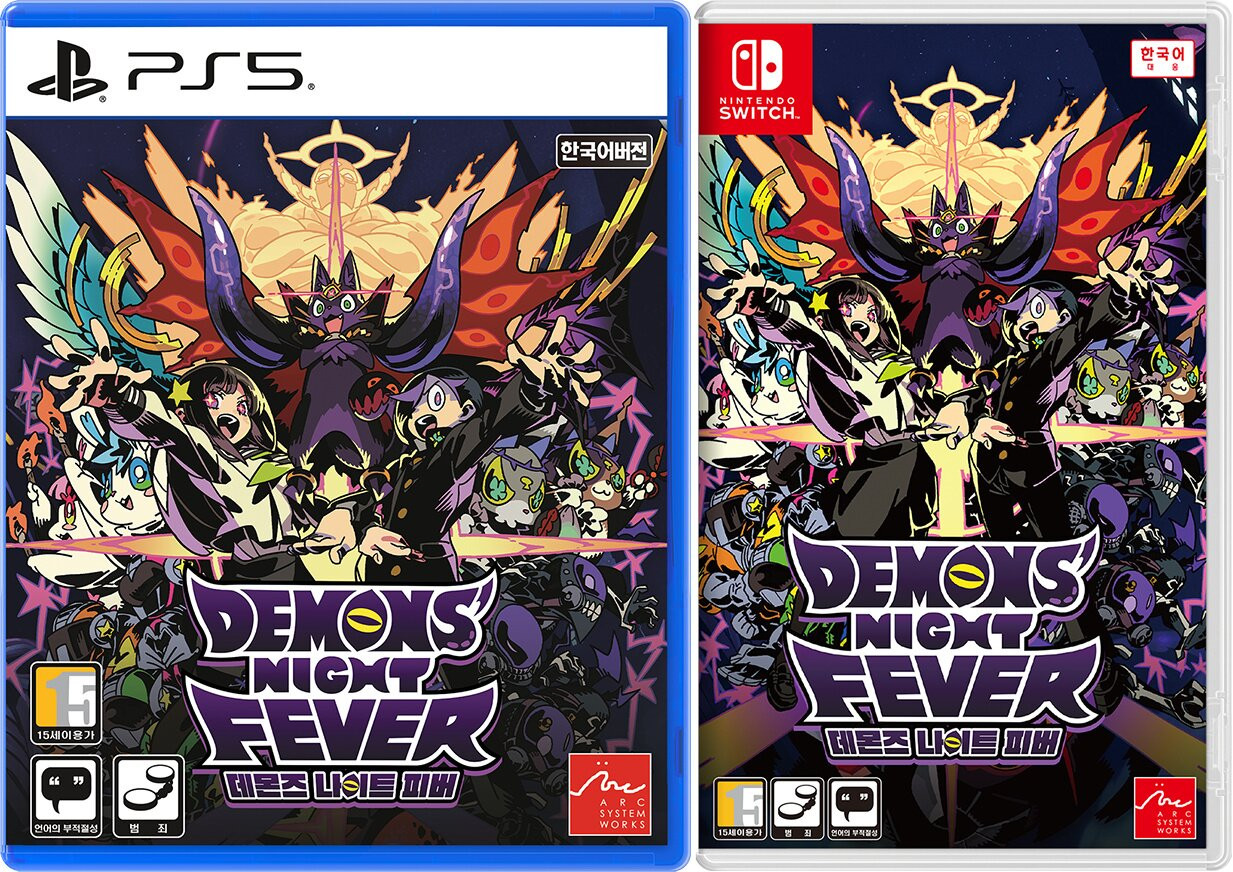
Demon's Night Fever Gets Korean Release on PS5, Switch, PC