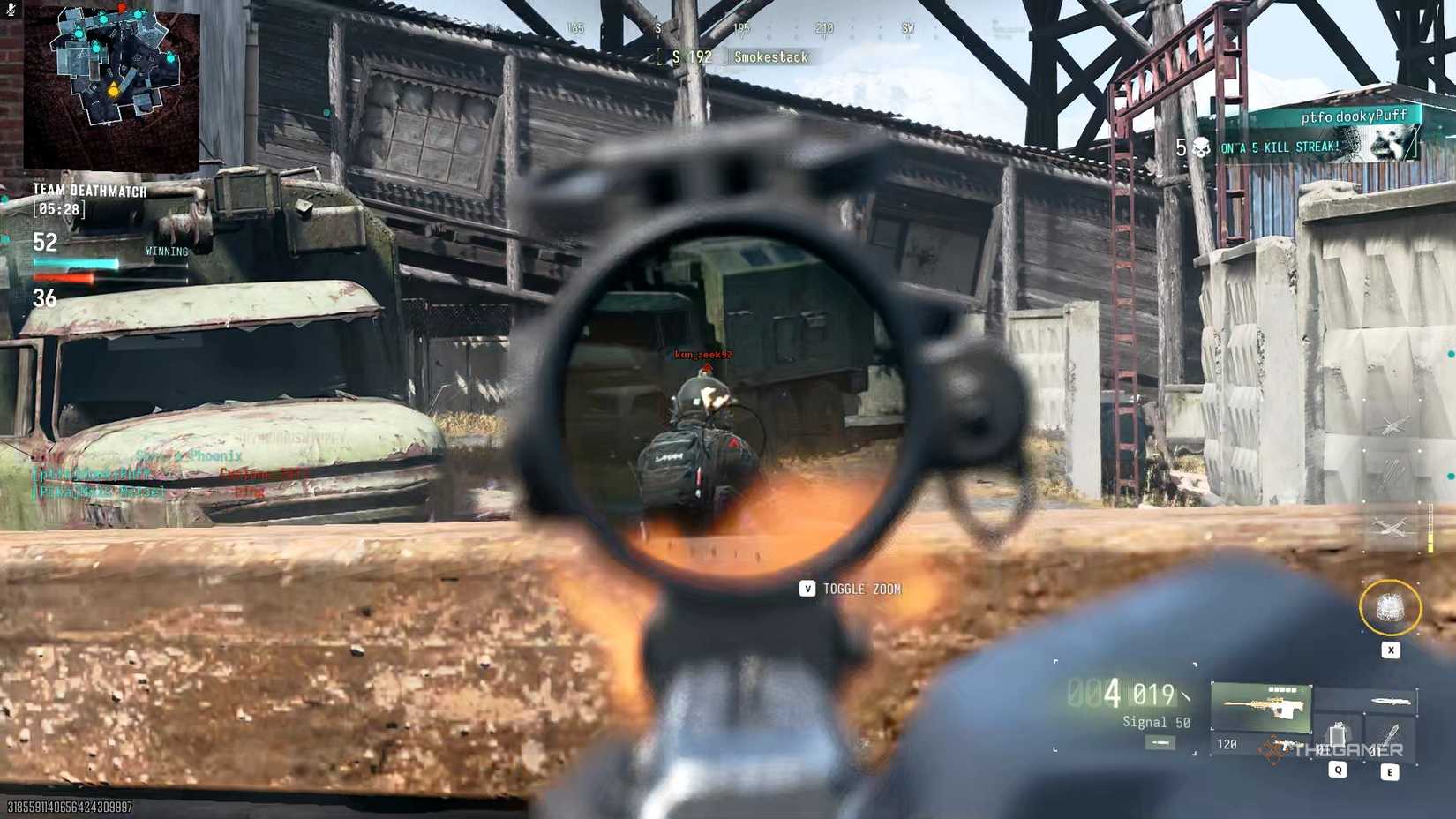
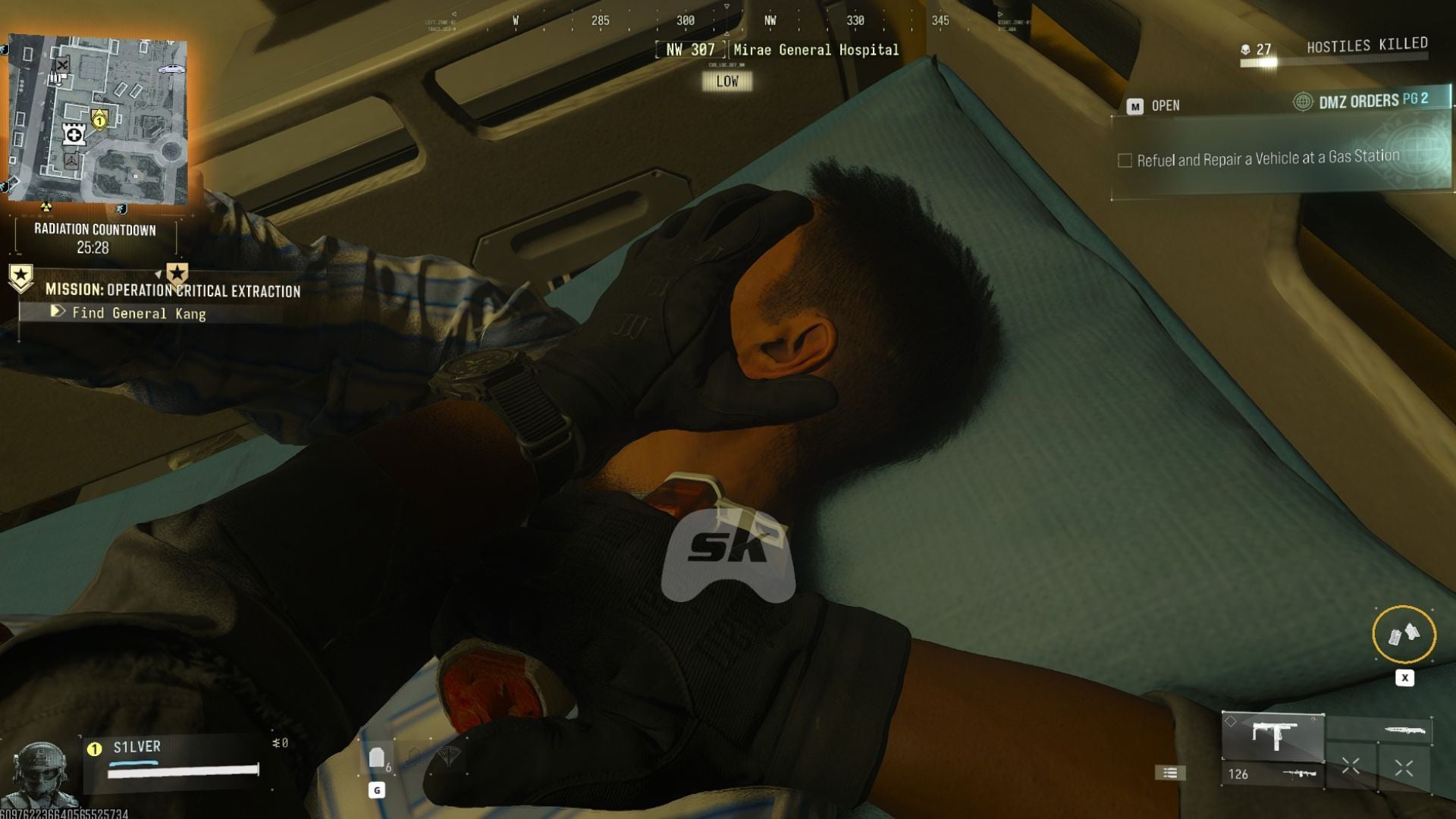
Modern Warfare 4 Adds Non-MilSim Tag to Halloween Playlist
Published on · Updated on
Infinity Ward introduced a Non-MilSim Content tag for Possession mode in Call of Duty, preserving tactical military immersion against arcade mechanics.
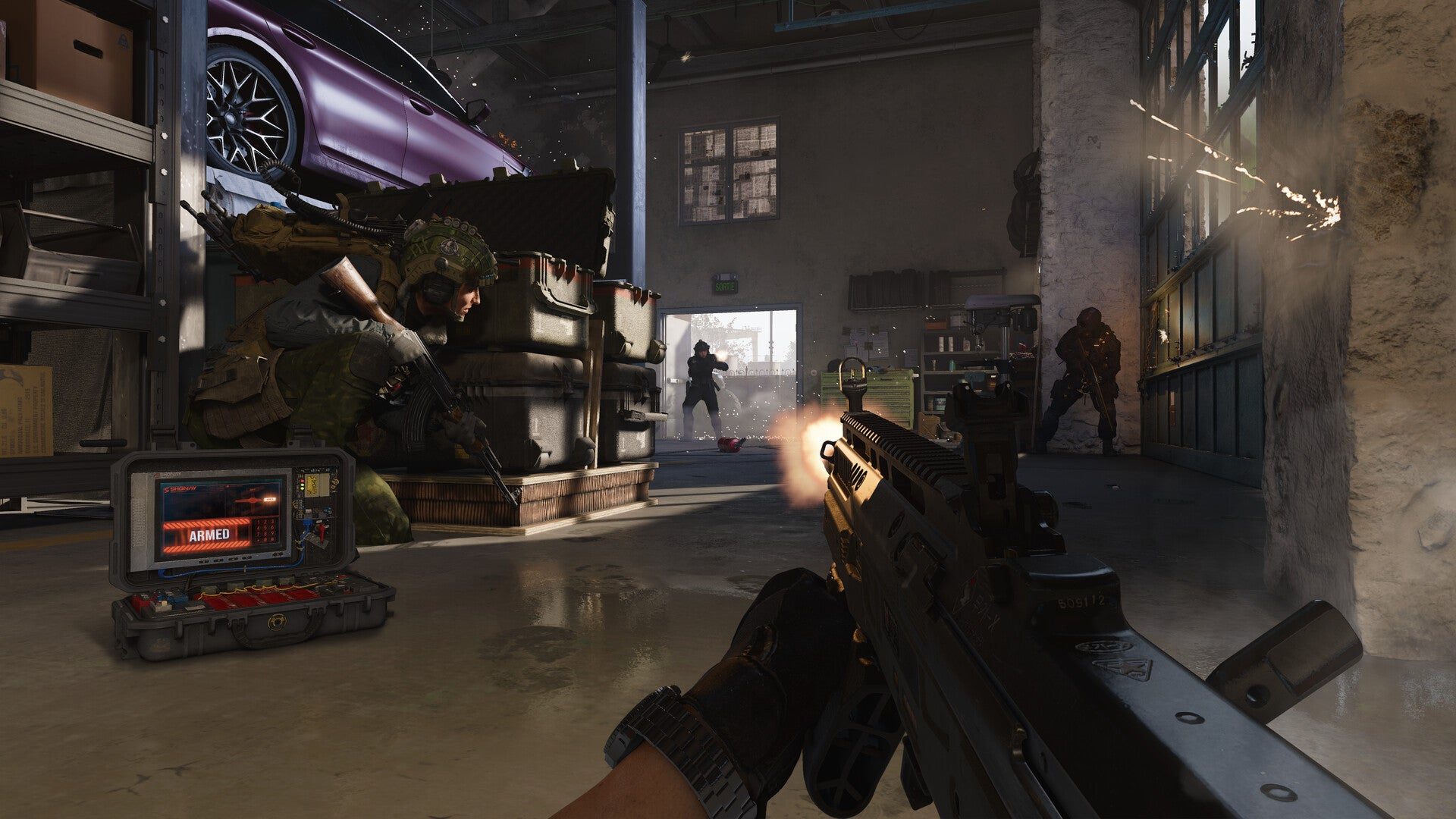
Game developer Infinity Ward and publisher Activision officially added a clear "Warning: Non-MilSim Content" disclaimer tag to Call of Duty: Modern Warfare 4 on Thursday, October 29, 2026. The visual indicator was rolled out directly in the playlist menu for the newly released Halloween party mode titled Possession, warning players before matchmaking that its core mechanics deviate from the realistic, grounded military tone of the main campaign and traditional multiplayer in our video games section.
This unprecedented warning represents a formal shift in how the studio addresses long-standing community feedback. Over recent installments, competitive and tactical players grew increasingly vocal about bizarre cosmetic crossovers, glowing weapon blueprints, and unrealistic mechanics bleeding into standard matchmaking. By explicitly branding content that departs from authentic military simulation standards, the development team is establishing clear boundaries between core tactical warfare and seasonal holiday festivities.
The supernatural mechanics of Possession and the new disclaimer
Introduced as the headline Halloween event for Modern Warfare 4, the Possession mode intentionally discards conventional ballistics and infantry tactics. In this multiplayer playlist, eliminating an enemy grants the player an otherworldly ability to instantly "possess" their defeated foe. Activating the ability teleports the player directly to the fallen victim's position while automatically replacing their current loadout with the victim's weapons and perks.
While the gameplay loop delivers rapid, chaotic encounters, the supernatural concept immediately raised alarms among hardcore fans concerned about tone drift. To prevent misunderstandings and player frustration during playlist selection, Infinity Ward placed the disclaimer prominently within the lobby screen:
"Warning: Non-MilSim Content. This playlist features supernatural mechanics and seasonal party rules that do not adhere to the grounded tactical combat of Call of Duty: Modern Warfare 4."
Gaming news outlets and dedicated community hubs quickly highlighted the change, as documented by popular news feed CharlieIntel on social media:
𝕏CharlieIntel (@charlieINTEL) on official X"The new Possession MP mode added to Call of Duty: Modern Warfare 4 includes a warning: 'Warning: Non-MilSim Content'. The new mode is a Halloween themed MP mode."
Military tone versus extravagant crossovers: a long-standing tension
The arrival of the Non-MilSim label addresses an ongoing friction in modern shooters. Since the franchise reboot in 2019, Modern Warfare built its reputation on meticulous weapon handling, realistic audio engineering, and gritty military storylines. However, aggressive live-service monetization eventually led to collaborations featuring pop culture icons, cartoon figures, and neon-drenched operator skins that clashed sharply with war-torn battlefields.
During the preview rollout for Modern Warfare 4, Infinity Ward leadership famously told fans to "keep the receipts" regarding their commitment to authentic, grounded military visuals. The implementation of the Non-MilSim tag acts as an editorial compromise: it allows the studio to release experimental party modes for seasonal events without diluting the serious tone promised for the broader game catalogue in O Santuário Geek's games hub.
Comparative analysis: tactical simulation versus arcade shooter
At the center of community discussions is what "MilSim" actually represents in Call of Duty. While players use the acronym to describe a serious military presentation, the series has never operated as a strict military simulation like Arma Reforger or Squad. High-speed movement mechanics, rapid health regeneration, and instant respawns define it as an arcade shooter wrapped in realistic military aesthetics.
The comparative table below outlines how Infinity Ward separates standard multiplayer playlists from seasonal experimental modes in Modern Warfare 4:
| Feature | Standard Playlist (MilSim) | Possession Playlist (Non-MilSim) |
|---|---|---|
| Movement Systems | Grounded tactical pacing with calibrated stamina | Instant teleportation upon confirmed eliminations |
| Weapon Mechanics | Custom loadouts preserved throughout the match | Forced loadout takeover from the defeated target |
| Visual Identity | Authentic camouflage patterns and real-world combat uniforms | Ethereal visual effects and supernatural Halloween lighting |
| Target Audience | Tactical competitors and realistic modern warfare purists | Casual players seeking fast-paced seasonal Halloween novelty |
The DMZ ecosystem and permanent playlist separation
The introduction of the Non-MilSim disclaimer is especially significant for the extraction-based DMZ mode. Widely celebrated by tactical survival enthusiasts, DMZ has become the primary destination for players who prioritize squad coordination, deliberate reconnaissance, and intense high-stakes exfiltrations in hostile zones.
By quarantining supernatural event modes under clear warnings, developers reassure fans that high-stakes extraction zones and ranked Search and Destroy lobbies will remain untouched by disruptive arcade gimmicks. Players looking for chaotic festivities can opt into designated playlists without worrying about fantastical abilities impacting tactical game balance.
Season 1 roadmap and future crossover plans
According to investigative details published by IGN Nordic's official report, Infinity Ward intends to maintain aesthetic discipline through the game's initial lifecycle. The roadmap for Season 1 features six brand-new multiplayer maps, authentic modern firearms, and a massive expansion to the DMZ operational zone, all tailored around high-intensity military operations.
The long-term question remains how Activision will approach external licensed intellectual properties heading into 2027, when major crossover bundle collaborations typically ramp up. For many observers, the disclaimer tag introduced in Possession could become a permanent fixture across Call of Duty lobbies, offering developers commercial flexibility while respecting the immersion demanded by hardcore tactical fans.