Why AI-powered cheats are harder for Call of Duty to catch
Published on · Updated on
Activision admits AI cheats run outside the game and slip past traditional detection, so RICOCHET now studies player behavior during live matches.
Call of Duty publicly acknowledged on November 13, 2026, that cheats built with artificial intelligence have become a harder problem to solve than traditional hacks. In a series of posts on the franchise's official X account, Activision said cheat makers are using AI to build tools that run outside the game — and that, for that reason, slip past the most common detection methods. The company's answer is to move part of the fight to player behavior inside the match, analyzed by RICOCHET Anti-Cheat's machine learning models. The warning came three weeks after the release of Call of Duty: Modern Warfare 4 on October 23, and included no tool names, no number of affected accounts and no date for new technical barriers.
What Activision said, word for word
The statement was posted at 4:02 p.m. ET on November 13 and quickly passed 470,000 views. In it, the franchise's official account acknowledges the shift is not exclusive to Call of Duty: the same kind of tool is showing up in other competitive shooters, which turns the episode into an industry problem rather than a single publisher's.
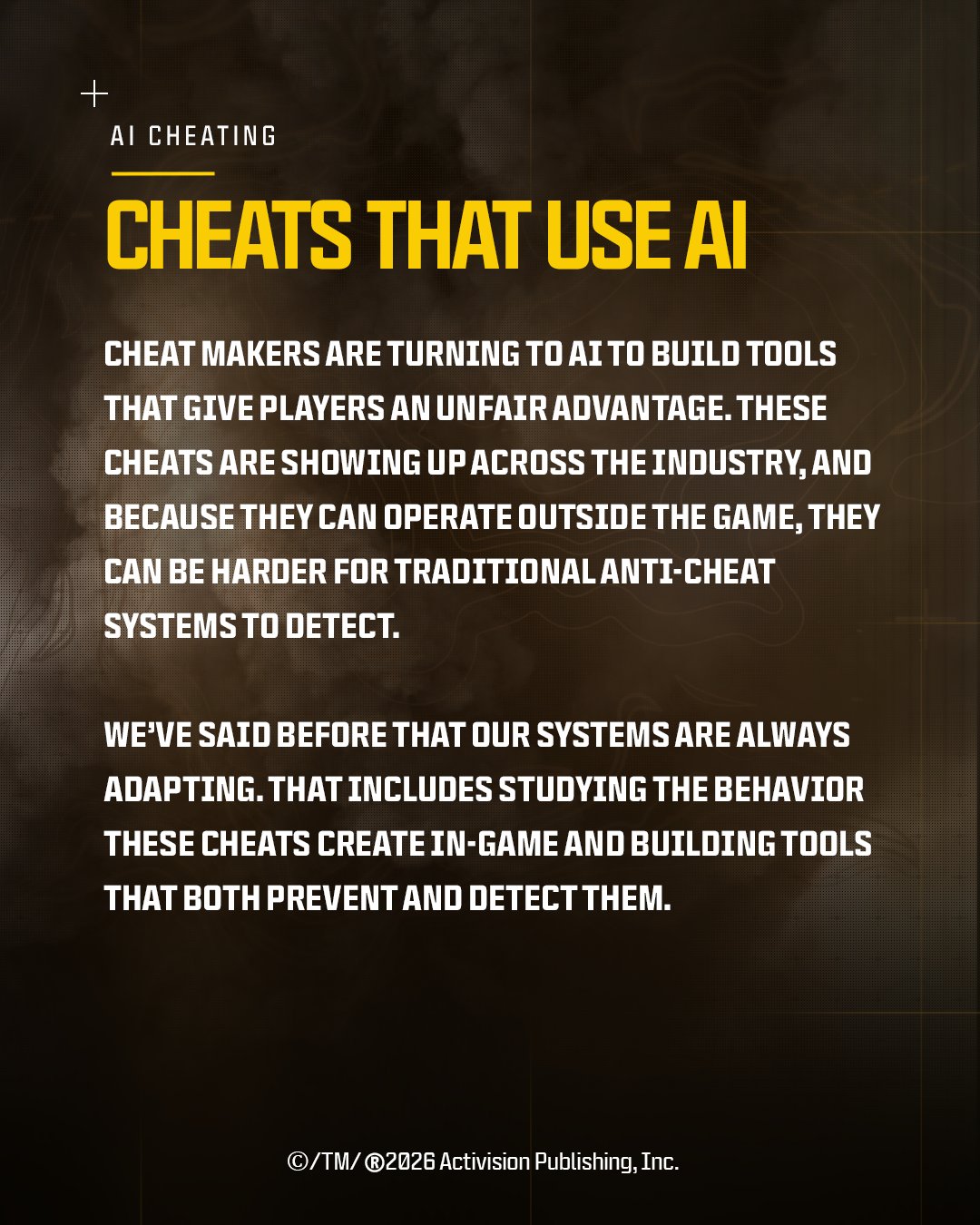
𝕏Call of Duty (@CallofDuty) on X"Cheat makers are turning to AI to build tools that give players an unfair advantage. These cheats are appearing across the industry, and because they can operate outside the game, they present new detection challenges. We've said before that our systems are always adapting. That includes studying the behavior these cheats create in-game and building tools that both prevent and detect them."
The text is short and deliberately generic. It names no cheat vendor, does not say how many accounts were punished and promises no deadline for the new defenses to go live. The concrete part comes in the second post of the thread, dedicated to explaining how RICOCHET tries to recognize a cheater when their software is practically invisible to the game.
Why a cheat that runs outside the game is a different problem
Traditional anti-cheat works like a perimeter: it watches the game process, the installed files, the loaded drivers and the libraries injected into memory. If a program changes ammo, touches a wall or reads information the server should not hand out, there is a technical trail to follow. The cheat described by Activision changes the logic of that cat-and-mouse game because it does not need to enter the client.
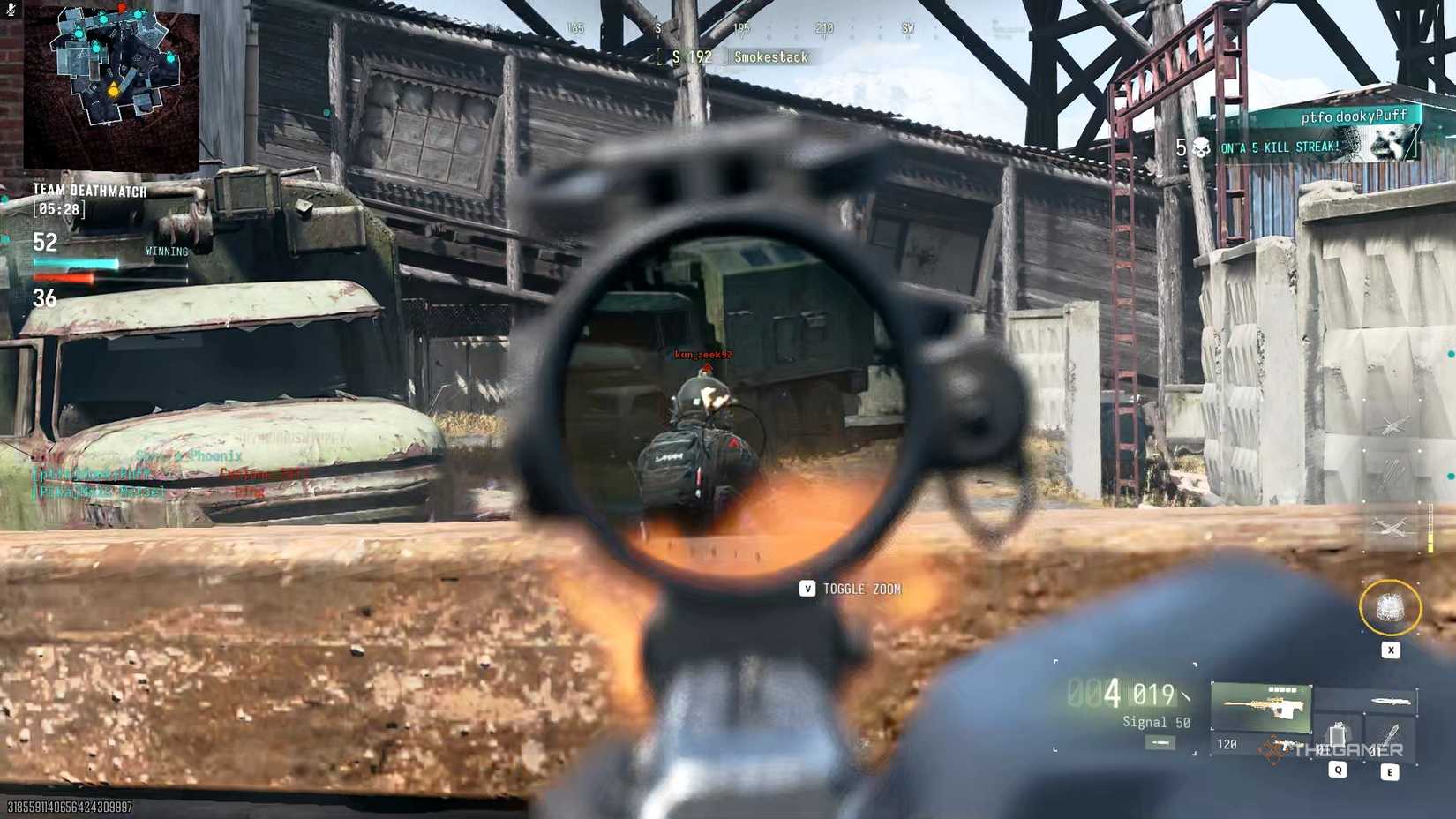
In practice, AI-assisted tools can capture what appears on screen — sometimes with a capture card and a second computer — interpret the image in real time and turn that reading into aim movement. The signal that reaches the game is just a mouse moving. There is no injected DLL, no modified game file and, when the processing happens on another machine, not even a suspicious process on that PC for the kernel-level driver to find.
| Aspect | Traditional cheat | AI cheat outside the game |
|---|---|---|
| Where it runs | Inside the PC, next to the game process | Can run on another device or external hardware |
| What it changes | Memory, files and client code | Nothing in the client: it reads the screen and sends external input |
| Technical trail | Detectable signature, driver or injection | Often none on the player's computer |
| How it usually falls | Client scans and replay-based reports | Aim-pattern and in-match behavior analysis |
That is why the company talks about "new detection challenges" instead of claiming current systems have stopped working. The perimeter still holds against most of the cheat market, but it does not cover the scenario where the software barely touches the game.
What RICOCHET does with machine learning
Activision's bet is that a cheater can hide where the program runs, but cannot easily hide what it makes the player do. The second post in the thread explains that RICOCHET's models watch aiming behavior directly, trained to separate natural movement from automated movement.
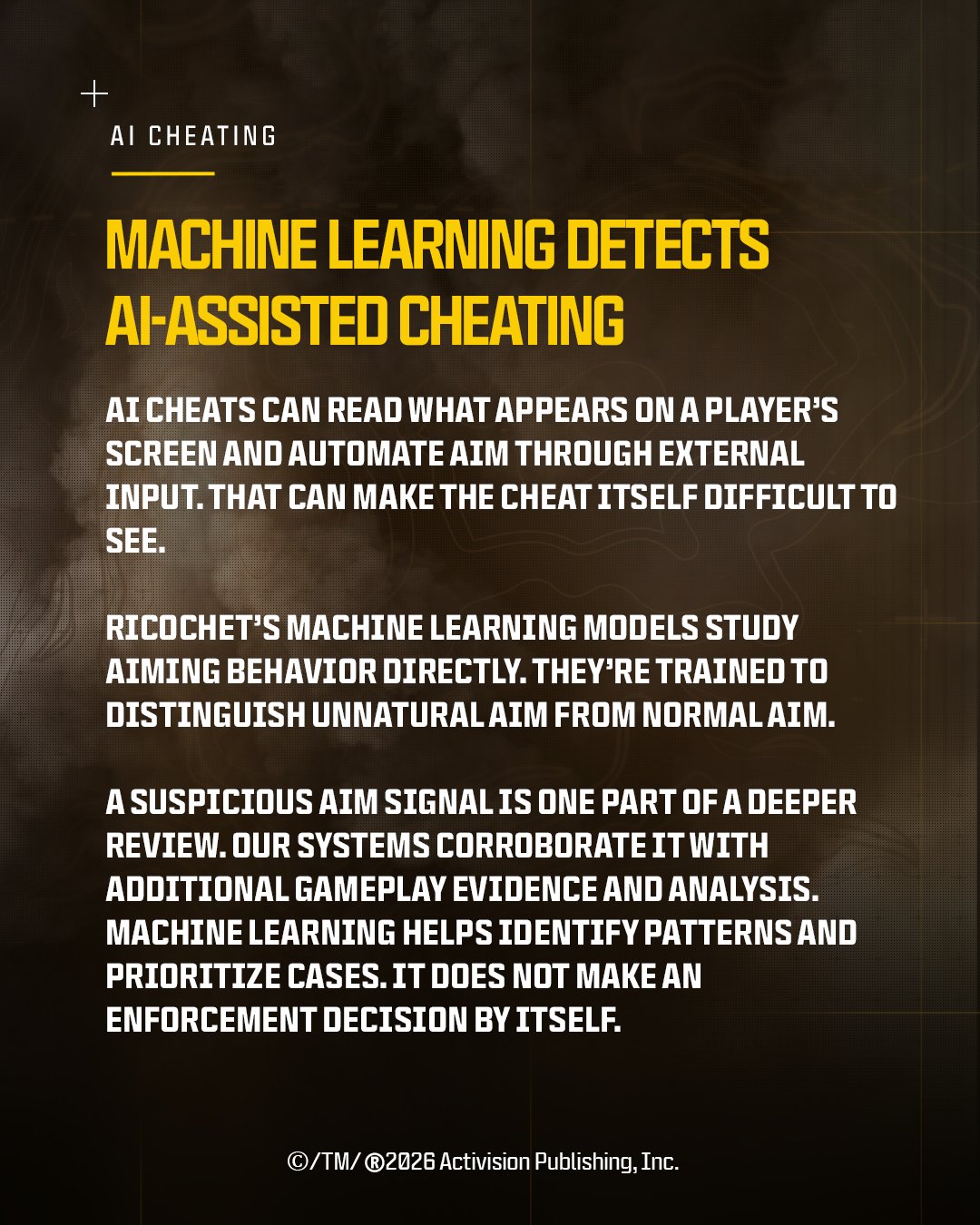
"AI cheats can read what appears on a player's screen and automate aim through external input. That can make the cheat itself difficult to see. RICOCHET's machine learning models study aiming behavior directly. They're trained to distinguish unnatural aim from normal aim. A suspicious aim signal is one part of a deeper review. Our systems corroborate it with additional gameplay evidence and analysis. Machine learning helps identify patterns and prioritize cases. It does not make an enforcement decision by itself."
The statement repeats a rule the team had already formalized in 2023, in the RICOCHET progress report published during the Modern Warfare III cycle. In that document, Activision explained that machine learning does not issue bans: it raises suspicions, prioritizes cases and hands material to human review. The company also described the replay tool, where a single computer running the model can review up to 1,000 clips per day — against roughly 700 clips reviewed by a person in a workday.
The gain, then, is scale and triage, not automatic judgment. A spike in aim precision is not enough to punish an account: the system has to cross-check the signal with other evidence from the same match, which lowers the risk of punishing players who are merely good. In a game with millions of matches a day, that filtering is what lets human review reach the most serious cases.
The paradox of aim that looks human
There is a detail Activision itself uses as a counterargument: cheating communities have started telling users to make their aim less perfect, precisely to avoid the models' attention. The logic is simple and uncomfortable. The more the software imitates a real player, the less advantage it delivers — and the closer it gets to the point where the tool's cost stops being worth it.
On the other side, that race creates a statistical problem for any behavior-based anti-cheat. Models work with probability, not certainty, and the line between an excellent player and an AI-assisted one is exactly where false positives appear. Not by chance, the company insists suspicious aim is only "one part of a deeper review" and that the final decision stays with people.
- Off-the-charts precision: aim corrections too fast for human reaction time.
- Stubborn tracking: the crosshair follows the target through smoke, walls or visual obstacles.
- Mechanical repetition: the same correction pattern in very different situations.
- Performance asymmetry: results far above the account's history in ranked matches.
What this changes for players
In the short term, the most visible change is not a new report screen but the continuation of mitigations RICOCHET already uses. Instead of banning on the spot, the team can make the cheater invisible to opponents (Cloaking), disable abilities or apply "Splat," which cuts the parachute and drops the character. The idea is to collect data on the account and the machine before closing the case.
For the average player, the statement works as an expectation check. The company promised no definitive solution, and history shows why: in 2023, on the eve of Modern Warfare III, the team said it had banned more than 80,000 accounts in Warzone and Modern Warfare II and recovered about 110,000 accounts identified on the dark web. Even at that volume, the problem came back in a new form three years later.
Modern Warfare 4 and the bigger picture
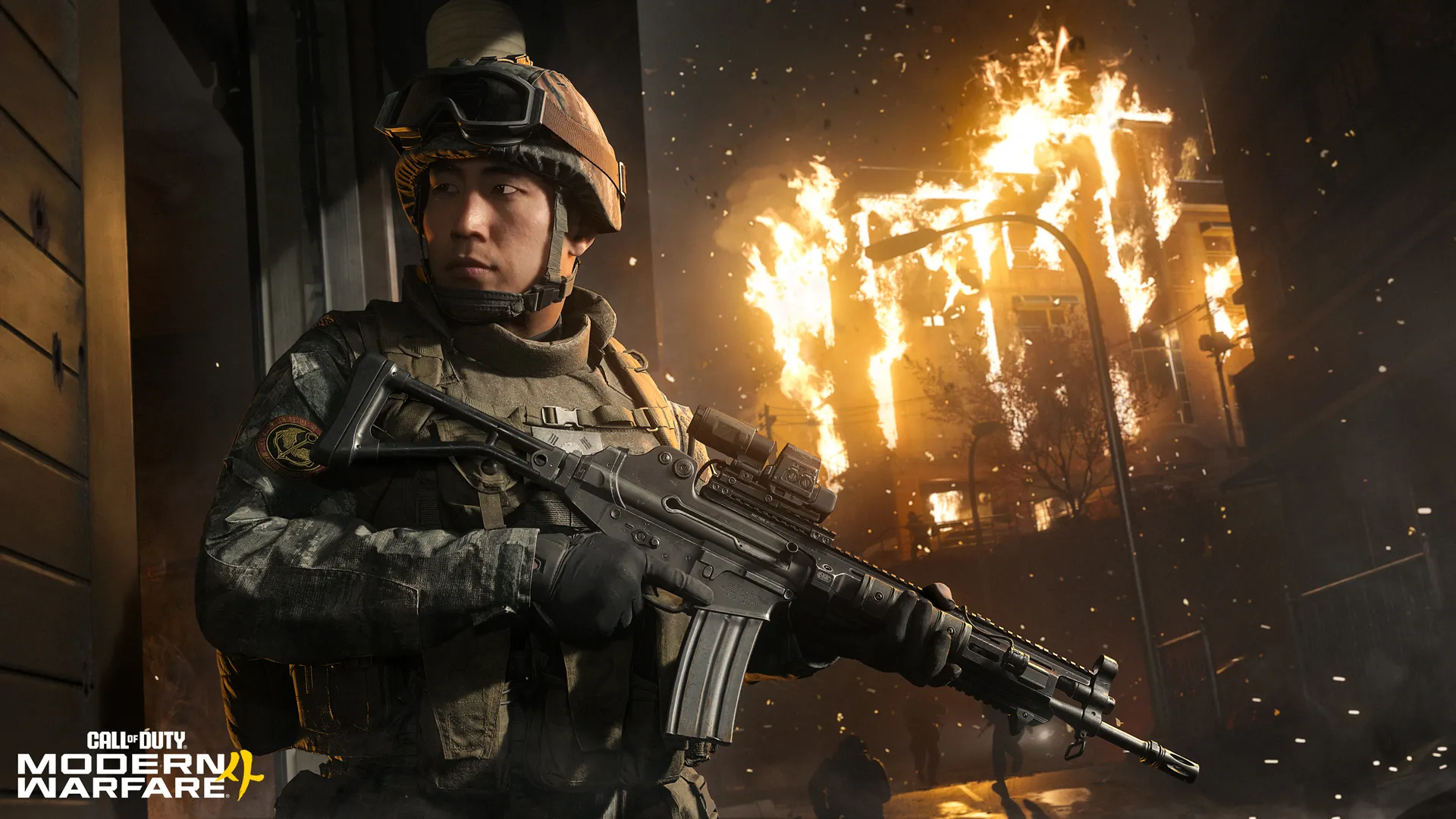
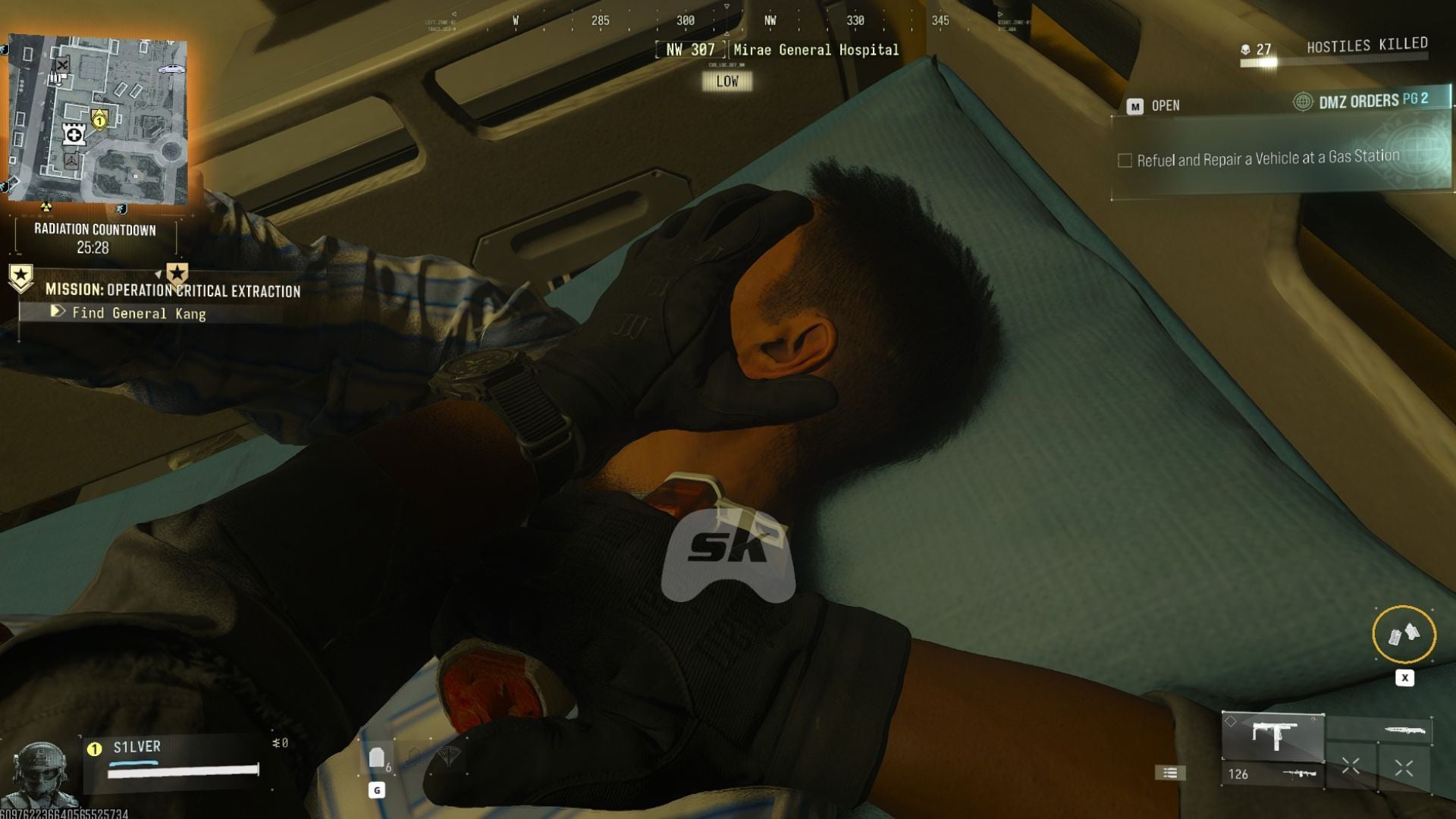
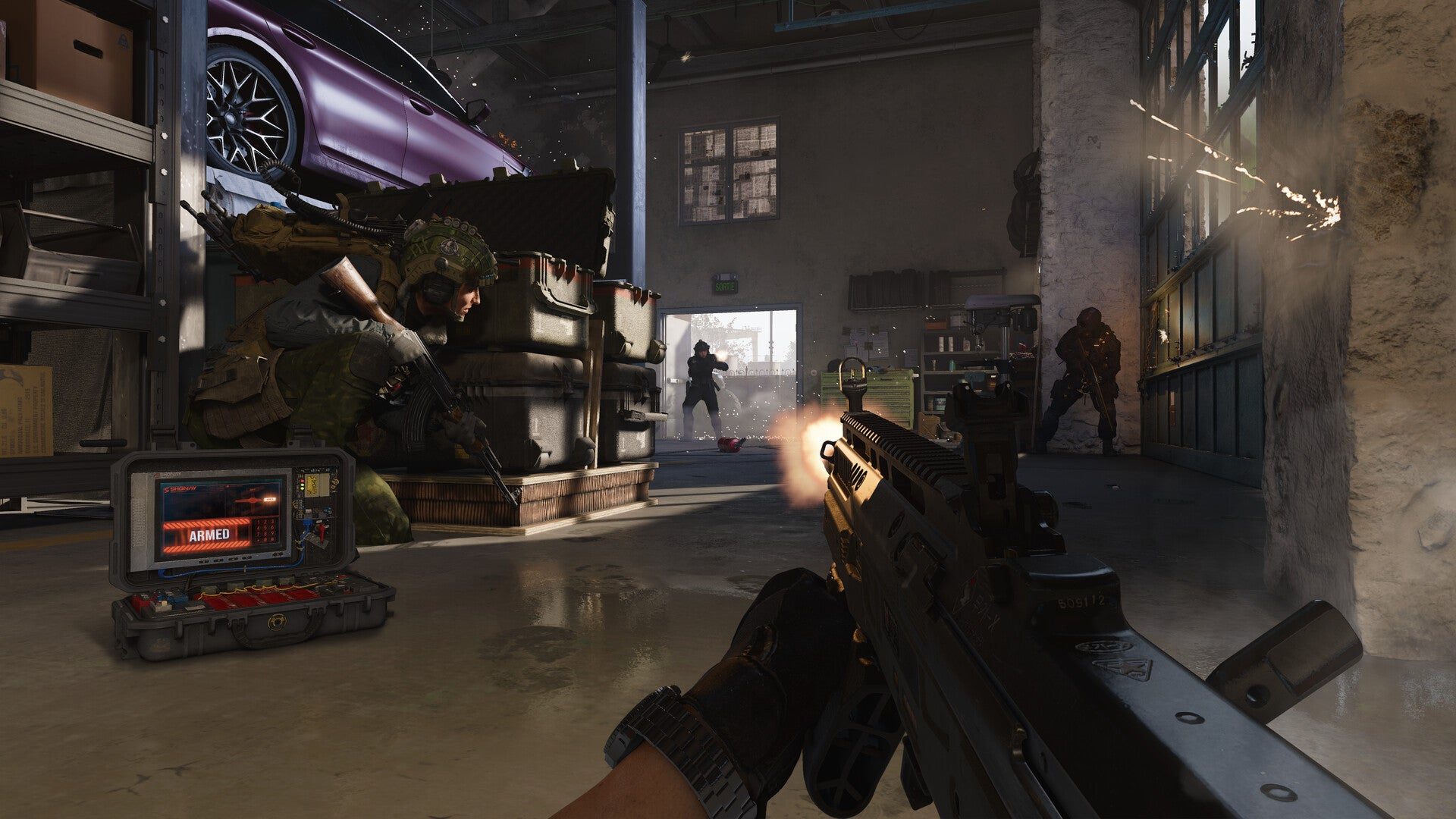
The warning lands at a sensitive moment for the franchise. Modern Warfare 4 launched on October 23, 2026, developed by Infinity Ward and published by Activision, with versions for PC, PlayStation 5, Xbox Series X|S and Nintendo Switch 2. The campaign is set in a fictional Korean region, and multiplayer brought changes such as the removal of weapon bloom, plus the return of DMZ in a reworked form. A new game means a packed ranked queue, more eyes on the leaderboard and, as a result, more pressure on anti-cheat.
It is also worth watching how the topic echoes beyond Call of Duty. The company itself says AI tools "are appearing across the industry," and the technical argument holds for any shooter: if the cheat never touches the client, the client has nothing to detect. Studios that rely only on signatures and local scans tend to stay a step behind those investing in server-side behavior analysis.
What to watch from here
The statement does not mark a technological turning point, but a public admission of a limit. Activision says it studies the behavior these cheats produce and builds tools to prevent and detect them, but it did not say when they arrive or how they will be measured. For readers, the next concrete indicators are three: ban reports with verifiable numbers, technical details about new detection models and, above all, the perception of people playing ranked — the place where any detection failure shows up first.
In the meantime, the practical advice is the same as in previous seasons: report suspicious matches through the in-game tool, enable two-factor authentication on your Activision account and be wary of "perfect aim" promises sold as a service. If AI made cheats harder to find, it also made it easier to sell an illusion to anyone looking for a quick edge. More on the game is available in our games coverage, including the Modern Warfare 4 Season 1 guide and the campaign early access rundown.