Miyazaki Says the Soulslike Genre Was Born From Fans' Desire for More Dark Souls
Published on · Updated on
FromSoftware director says the Soulslike style succeeded by meeting players' long-held desire for meaningful challenges, not invention.
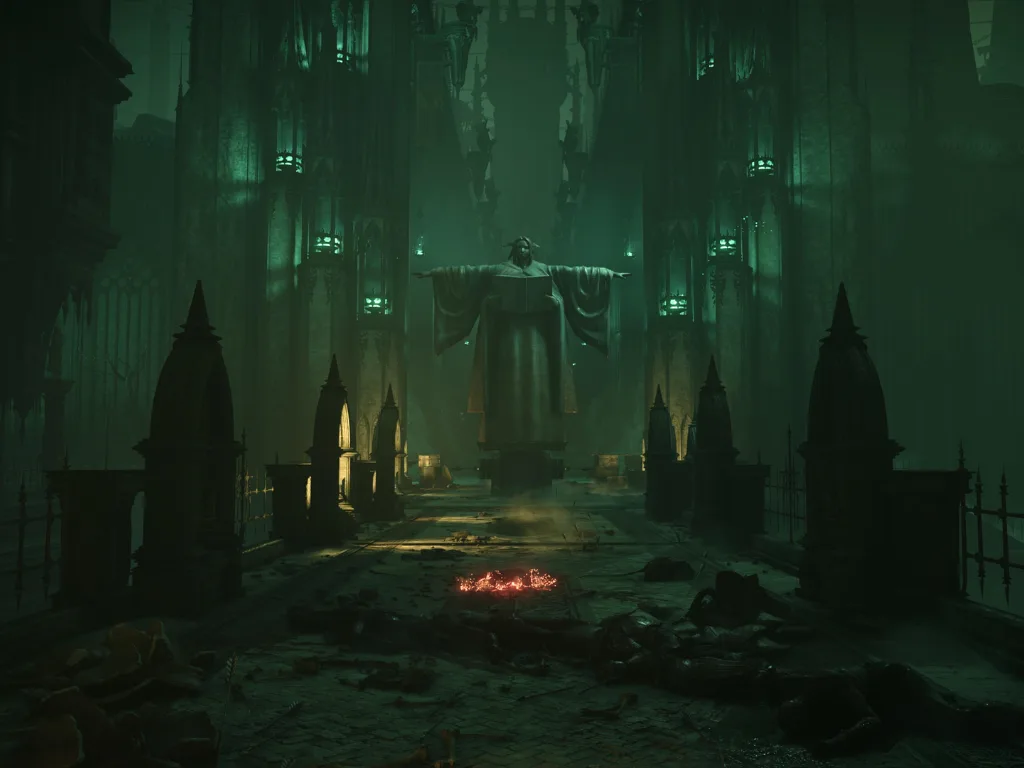
In a revelation that redefines the origin of one of the most influential playstyles of the last decade, Hidetaka Miyazaki, the director behind Elden Ring and Dark Souls, credits the emergence of the Soulslike genre to a collective desire among players. In a recent interview, the president of FromSoftware explained that his team did not invent a magic formula, but instead captured a hunger that already existed in the market. In this way, the studio simply served the dish fans had always wanted, but did not know how to ask for.
A hidden demand, a perfect answer
Miyazaki was clear in describing the process. Rather than creating something entirely new, the team drew on its own roots, specifically the 1990s King’s Field series, to build the backbone of Demon’s Souls in 2009. The goal was simple yet ambitious: to turn death into a learning tool. For that reason, each defeat became an organic lesson, an essential part of the gameplay loop. Thanks to that vision, the studio filled an obvious gap in the landscape at the time, which lacked intense and meaningful challenges.
The director was humble in analyzing the phenomenon. He believes the success came from a fortunate coincidence between FromSoftware's design DNA and what was missing from store shelves. In other words, the company channeled gamers' yearning into a cohesive experience. That retrospective view, shared in 2026, shows how a sharp intuition about the audience can build a legacy lasting more than 15 years.
The philosophy that became an industry pillar
How did that idea take shape in practice? The answer lies in building a gameplay loop where perseverance is rewarded. The punishing yet fair gameplay demands patience and study. In addition, environmental storytelling tells stories through visual details and fragmented lore, inviting players to investigate. Miyazaki stressed that the great discovery was proving it is viable to build an experience where difficulty is not an obstacle, but the main path.
Since then, that philosophy has shaped not only From's successes, such as Sekiro and the award-winning Elden Ring, but also countless titles from other studios. In 2026, the Soulslike influence remains dominant, permeating everything from independent productions to blockbusters from major publishers. The core elements popularized by the Japanese studio are now common language in game development.
The living legacy in 2026 and beyond
What is the practical result of that influence today? We can point to some pillars that have become market standards:
- Death as a progression mechanic: The “try again” is no longer a simple restart, but a fundamental step toward mastering patterns and learning from mistakes.
- Non-linear, environmental narrative: The story is not handed over on a silver platter. Players must connect the dots scattered across the world, creating a unique sense of discovery.
- Tactical, pattern-based combat: Random button-mashing leads to defeat. Victory demands observation, timing, and a clear strategy.
- Interconnected worlds full of secrets: Exploration is constantly rewarded with items, hidden areas, and lore fragments.
Therefore, when you face a challenging boss in a modern game, one that demands patience and repetition, you are engaging with a cultural legacy. That legacy was born from a rare connection between creator and player. Miyazaki and his team knew how to listen to an appetite for real challenges, a desire that already pulsed through the gaming community long before Demon’s Souls appeared. The lesson that remains, especially at the start of 2026, is that the most enduring innovations often come from deeply understanding what people already want. FromSoftware did not create fire, but it knew how to light it.
Suggested and related articles

Needy Streamer Overload Creator Announces New Psychological Visual Novel for 2026
Call of Duty: Black Ops 7 Has Ironic Achievement for Players Who Play Too Much
Demon's Night Fever Gets Korean Release on PS5, Switch, PC
Monster Hunter Now Halloween event starts October 26
Duet Night Abyss 1.7 Adds Rhythm: Flamewrought