Switch 2 repairs in Japan rise by up to 9,900 yen
Published on · Updated on
Nintendo of Japan's new table takes effect on November 16; the Switch 2 CPU board repair jumps from 27,500 to 37,400 yen, and warranty stays free.
Nintendo has raised the repair prices for the Switch 2 and the original Switch in Japan: on October 16, the company's Japanese support published the new table of reference prices, which takes effect for items arriving at the service from November 16, 2026. The biggest increase is in CPU board repairs — such as when the console does not turn on — which go up 9,900 yen, from 27,500 to 37,400 yen. The reason cited is the rising cost of repair components, and the change was recorded by Inven Global, Nintendo Life, Nintendo Everything and Siliconera.
"an increase in the cost of repair components"
Reason cited by Nintendo itself on the official repair price page of its Japanese support, freely translated.
The new prices in practice
Repairs classified as CPU board work carry the biggest impact. It is the category that covers, for example, the classic case of a console that simply will not turn on: for the Switch 2, the service moves from the current 27,500 yen to 37,400 yen; for the original Switch, the same tier goes up by 9,900 yen, from 16,500 to 26,400. The other services have smaller increases, around 1,100 yen, as shown in the table.
| Service (Switch 2) | Current price | New price | Difference |
|---|---|---|---|
| CPU board (console will not turn on) | 27,500 yen | 37,400 yen | +9,900 |
| LCD unit (cracked screen, faulty touch) | 15,400 yen | 16,500 yen | +1,100 |
| Game card slot, USB-C port or battery | 9,900 yen | 11,000 yen | +1,100 |
| Headphone audio, SD card reading | 7,150 yen | 8,250 yen | +1,100 |
| CPU board of the original Switch | 16,500 yen | 26,400 yen | +9,900 |
In both cases, CPU board work is the most expensive service on the table, and the gap stands out when compared with the rest of the list: the other Switch 2 repairs go up by 1,100 yen at once, moves of a much smaller scale. The prices only apply to consoles serviced by the Japanese support.
Two notes accompany the list. First, these are reference prices: if swapping the indicated component does not solve the issue and other parts need to be replaced, the final amount may change. Second, Nintendo did not detail which components rose or by exactly how much — the official text simply cites the rising cost of parts.
What counts is the arrival date
The most important operational point in the announcement: the cutoff is based on when the item arrives at Nintendo's service, not on the purchase date or the date the repair was requested. Equipment that arrives by November 15 pays the current prices; the new prices apply to anything arriving from November 16, 2026.
For anyone in Japan with a console with known symptoms, the economical path is to start the process before the cutoff. That is especially true for CPU board repairs, which become 9,900 yen more expensive — over a third of the current value — as soon as the new table takes effect.
The increase does not affect what is under warranty: defects from normal use within the warranty period continue to be repaired free of charge. For the Switch 2, the warranty lasts one year from the console's first setup date.
A year of price increases
The repair price change is one more chapter of a year of price increases at Nintendo. In May, the company itself raised the Switch 2's price in Japan by 10,000 yen, from 49,980 to 59,980 yen — a move that echoed in other markets, such as South Korea.
There, Nintendo of Korea raised the Switch OLED from 415,000 to 465,000 won in May, and, on June 29, announced that the Switch 2's suggested price would go up by about 17% starting September 1, from 648,000 to 758,000 won. Inven Global notes that the open question now is whether the repair fee revision will also reach the Korean service network.
For the rest of the world, the upshot is different: official repair services are run locally in each region, with their own price list. Anyone who imported a console directly from Japan, however, should keep an eye on it — this Japanese table is the one that applies to those units.
What does not change
For consumers, the situation remains the usual Nintendo service routine: a diagnosis through the official site, shipping the unit, and payment only if the repair is outside the warranty. Anyone whose console is still inside the one-year warranty keeps getting repairs at no cost.
Nintendo's service handles repairs the same way on every tier: reference prices published in advance, a formal estimate after the first physical check of the unit, and a charge only for work outside the warranty. That model spares owners of recent consoles from the increase — and concentrates it on the machines with more mileage, the ones rarely covered by the warranty anymore.
How the Japanese service works
Nintendo's Japanese support organizes repairs by type of defect, with a reference price table for each service. The published figure is a starting point: only after receiving the unit and inspecting it does Nintendo confirm the final amount, since the same cracked screen, in practice, may require extra replacements beyond the listed component. That is why the table itself warns that the price may vary when more than one part is replaced.
For readers outside Japan, the practical takeaway is narrower: this table is Nintendo's home-market pricing, and the same reasoning may or may not arrive in other regions later. Whoever follows the company's fees has seen the pattern repeat this year — hardware prices first, service prices now.
On O Santuário Geek, our own coverage has followed the console at the center of the news: check the Nintendo Switch Sports Resort with motion controls and the 30-year Pokémon celebration with the Plantopia line on Switch 2. The official list of reference prices is on Nintendo's Japanese support page.
Suggested and related articles
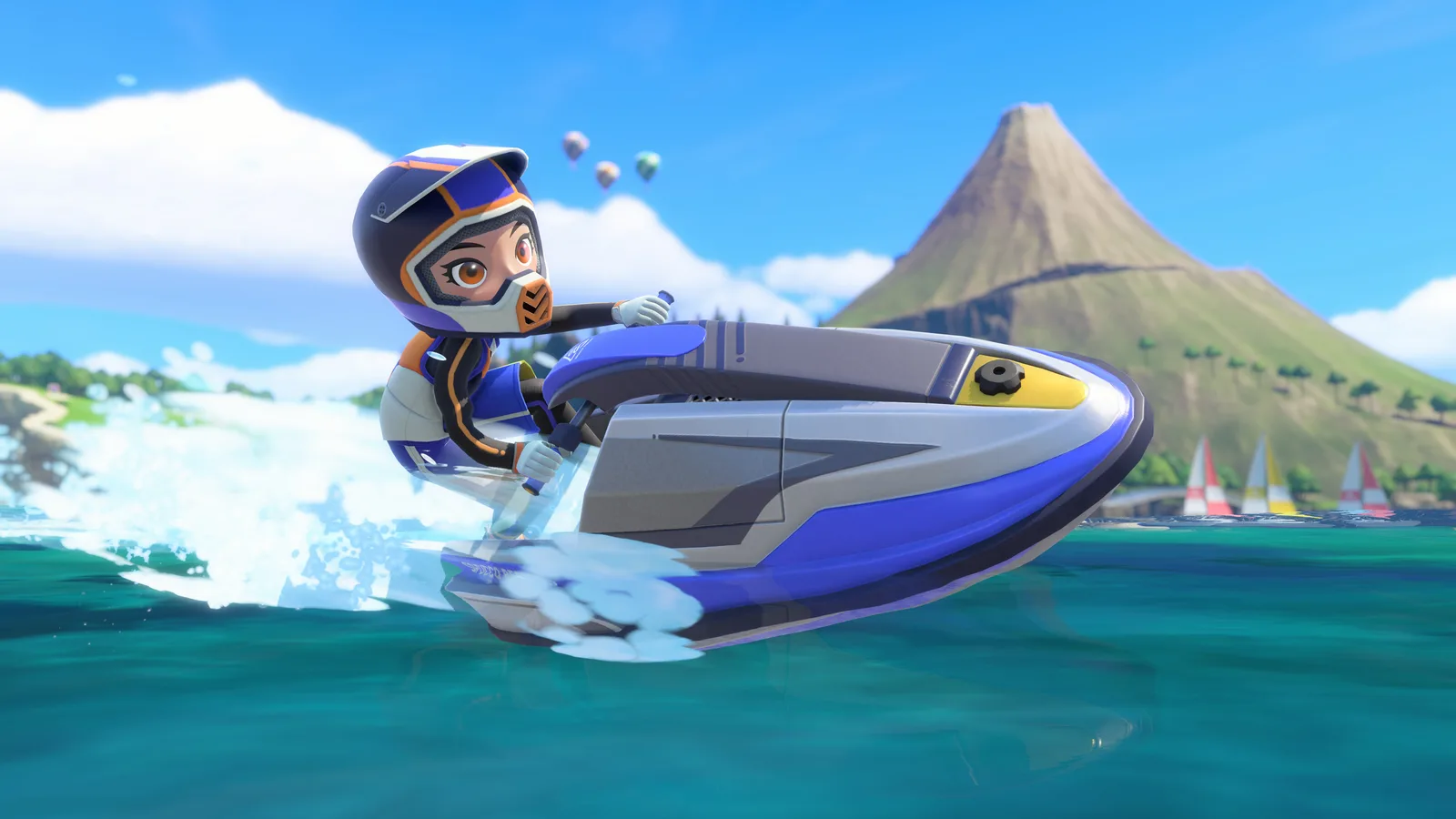
Nintendo Switch Sports Resort: 12 Sports, Advanced Motion Controls and Free Wuhu Island Exploration
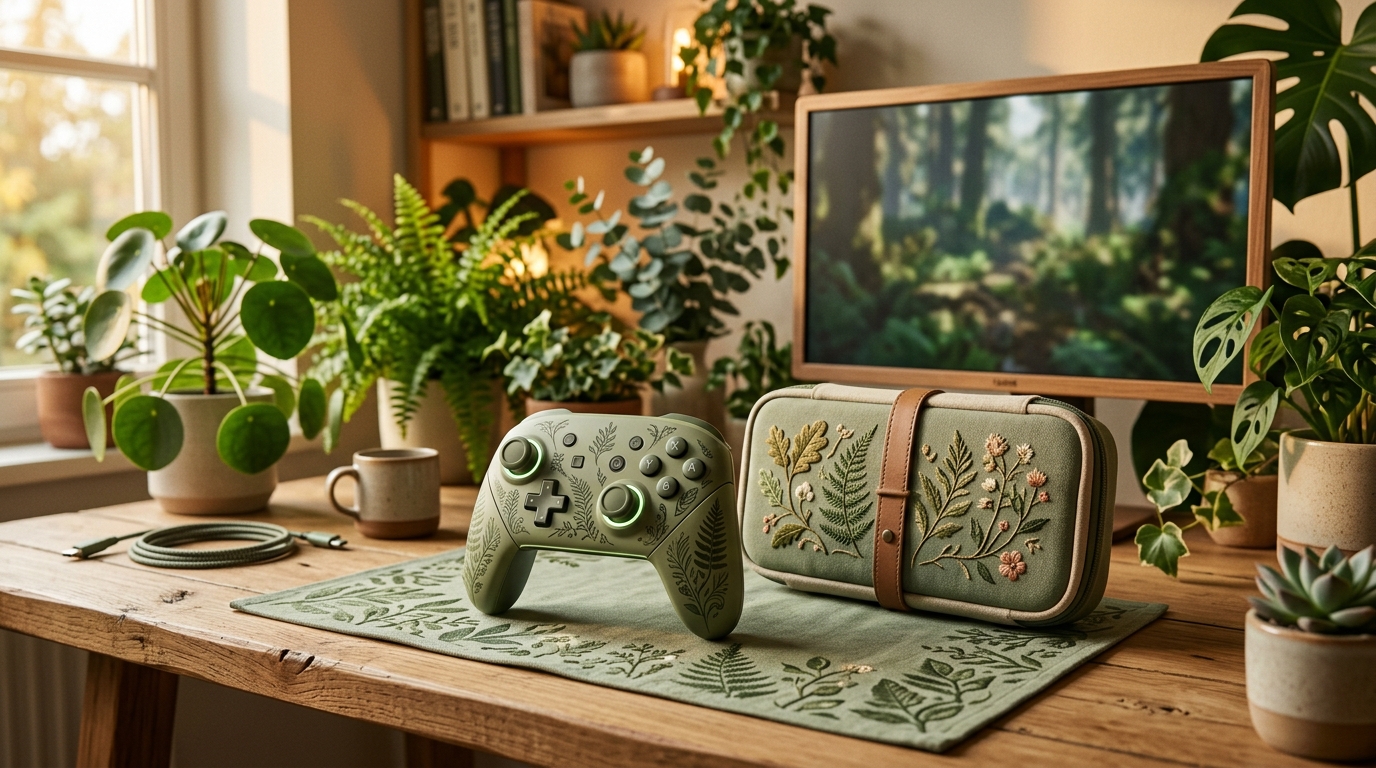
Pokémon Celebrates 30 Years with Plantopia Line on Switch 2
Pokémon 2027 Korean League Season 1 starts October 24
Minecraft x Dragon Ball Z: 1.1 Legends update adds Vegito
The 10 Best Nintendo Arcade Games of All Time