How Harry Potter Defeated Voldemort at the End
Published on · Updated on
Harry beat Voldemort because the Elder Wand recognized Draco and then Harry as its master; Lily’s protection and the destroyed Horcruxes sealed the ending.
Spoilers for Harry Potter and the Deathly Hallows follow.
Harry Potter defeats Lord Voldemort in the final duel because the Elder Wand does not recognize the Dark wizard as its master. Its allegiance has passed from Albus Dumbledore to Draco Malfoy and then to Harry, who disarmed Draco at Malfoy Manor. When Voldemort casts Avada Kedavra and Harry answers with Expelliarmus at the Battle of Hogwarts, the most powerful wand will not attack its true owner. The outcome also depends on Voldemort being mortal again: his Horcruxes have been destroyed, including the fragment of soul that had lived inside Harry.
The Elder Wand followed a different rule
Voldemort believed that physically controlling the Elder Wand would be enough to command its power. The relic’s logic, however, was not simply about theft or possession: it tended to recognize whoever had defeated its owner. The official Harry Potter encyclopedia describes the wand as loyal to the witch or wizard who wins it. That does not mean every casual disarming automatically transfers allegiance; the circumstances and the defeat matter.
This distinction explains why Voldemort’s plan fails before the final duel. He takes the wand from Dumbledore’s tomb and assumes the former headmaster’s master must have been Severus Snape, because Snape killed him. But the murder did not make Snape Dumbledore’s conqueror: Draco had disarmed the headmaster at the Astronomy Tower shortly beforehand and had become the wand’s new master.
Draco became its master without knowing it
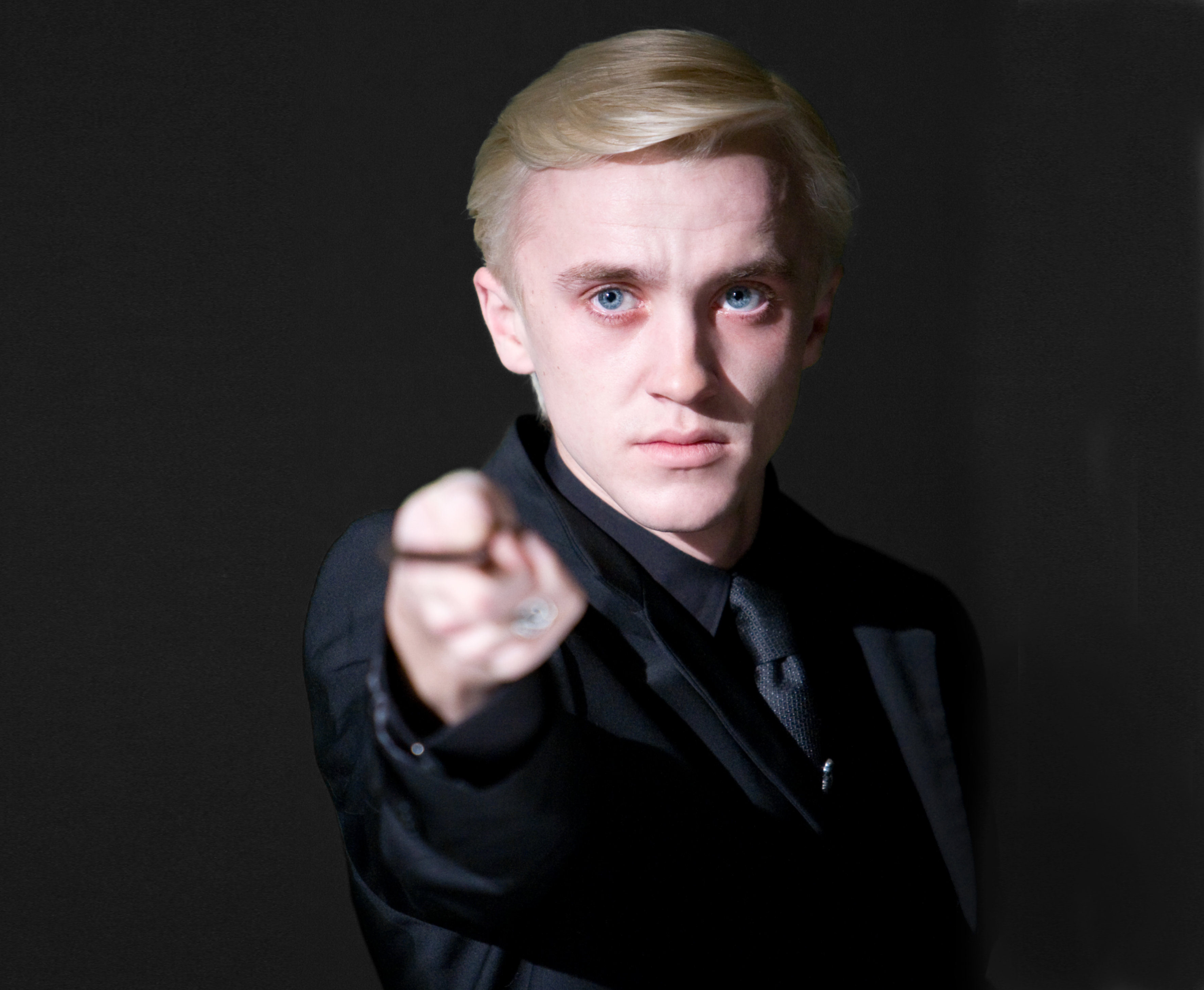
Draco was not trying to inherit the Elder Wand. He entered the Astronomy Tower under pressure, disarmed Dumbledore and did not kill him. Even so, that act was enough to change the wand’s allegiance. Dumbledore had arranged his own death with Snape, but the wand responded to what happened in the confrontation, not to the adults’ secret plan.
Voldemort missed that transfer. When he learned that Snape had killed Dumbledore, he concluded that the wand must now belong to Snape and ordered the professor’s death so he could claim its power. The decision is one of the story’s central ironies: Voldemort tries to settle the question through violence even though the wand had already changed masters. The official feature about the Elder Wand also explains that killing an owner is not the only way to win its allegiance.
Harry defeated Draco at Malfoy Manor
The next change happens during the escape from Malfoy Manor. Harry fights Draco, takes his hawthorn wand and overpowers him. The Elder Wand is not there, but the link between mastery and defeat still reaches the relic. Harry becomes its master without even knowing that Draco had inherited that position weeks earlier.
This separates two ideas that are often confused: Harry did not need to carry the Elder Wand to be recognized by it. In the final duel, he uses Draco’s wand while Voldemort holds the Elder Wand. The object each person physically carries and the wand’s magical allegiance are not the same thing. The official Wizarding World account of the final duel confirms that Harry wielded Draco’s wand and Voldemort used the Elder Wand.
Why Voldemort’s curse rebounds
At the Battle of Hogwarts, Voldemort casts the Killing Curse and Harry uses Expelliarmus, his signature spell. The Elder Wand recognizes Harry as its master and will not kill him. Avada Kedavra rebounds, and Voldemort dies. The scene is not simply a stronger spell defeating a weaker one; it is the consequence of an ownership chain Voldemort never understood.
“The wand chooses the wizard.”
The contrast also fits the way Harry confronts Voldemort. He chooses to disarm rather than to kill on his own initiative. The official feature on Expelliarmus connects the spell to Harry’s defensive outlook. In the final battle, though, the spell alone does not explain the outcome: wand allegiance and the protections built up across the saga work together.
The Horcruxes made Voldemort mortal again
The Elder Wand was not the only condition. Voldemort split his soul into Horcruxes to prevent death; as long as even one remained, destroying his body would not end the threat. Harry, Ron and Hermione hunted the objects, and the last Horcruxes were eliminated during their return to Hogwarts. Nagini was destroyed too, and Harry learned that he had unknowingly carried another fragment of his enemy’s soul.
When Harry walks willingly into the Forbidden Forest, Voldemort strikes the fragment inside him. Harry survives, while the piece of the villain’s soul that tethered him to the world is destroyed. The official Horcrux timeline explains how Voldemort’s attempt to kill Harry in the forest removes that final protection. By the duel in the Great Hall, Voldemort can finally die for good.
What changes between the book and the film
The core explanation remains the same: Draco disarms Dumbledore, Harry defeats Draco, and the Elder Wand does not obey Voldemort. The film makes the confrontation more visual, with the spells colliding and the villain disintegrating. In the book, Voldemort falls as a mortal body, reinforcing that he was never an invincible supernatural force. In both versions, the power he coveted cannot compensate for his mistaken reading of the wand’s loyalty or for the destruction of the Horcruxes.
For more stories from the wizarding world, browse our theories and analysis section, and see our recent coverage of Harry Potter and Warner’s future. The short answer to the headline is a combination: Harry survives Voldemort’s protections, destroys the Horcruxes with his allies and, at the decisive moment, is the true master of the wand Voldemort believes he owns.