Roblox Charges US$30 for New Egg Hunt and Faces Community Backlash
Published on · Updated on
The new Egg Hunt 2026 comes to Roblox at US$30 and sparks strong community backlash. Understand paid games and the Paid Access model.
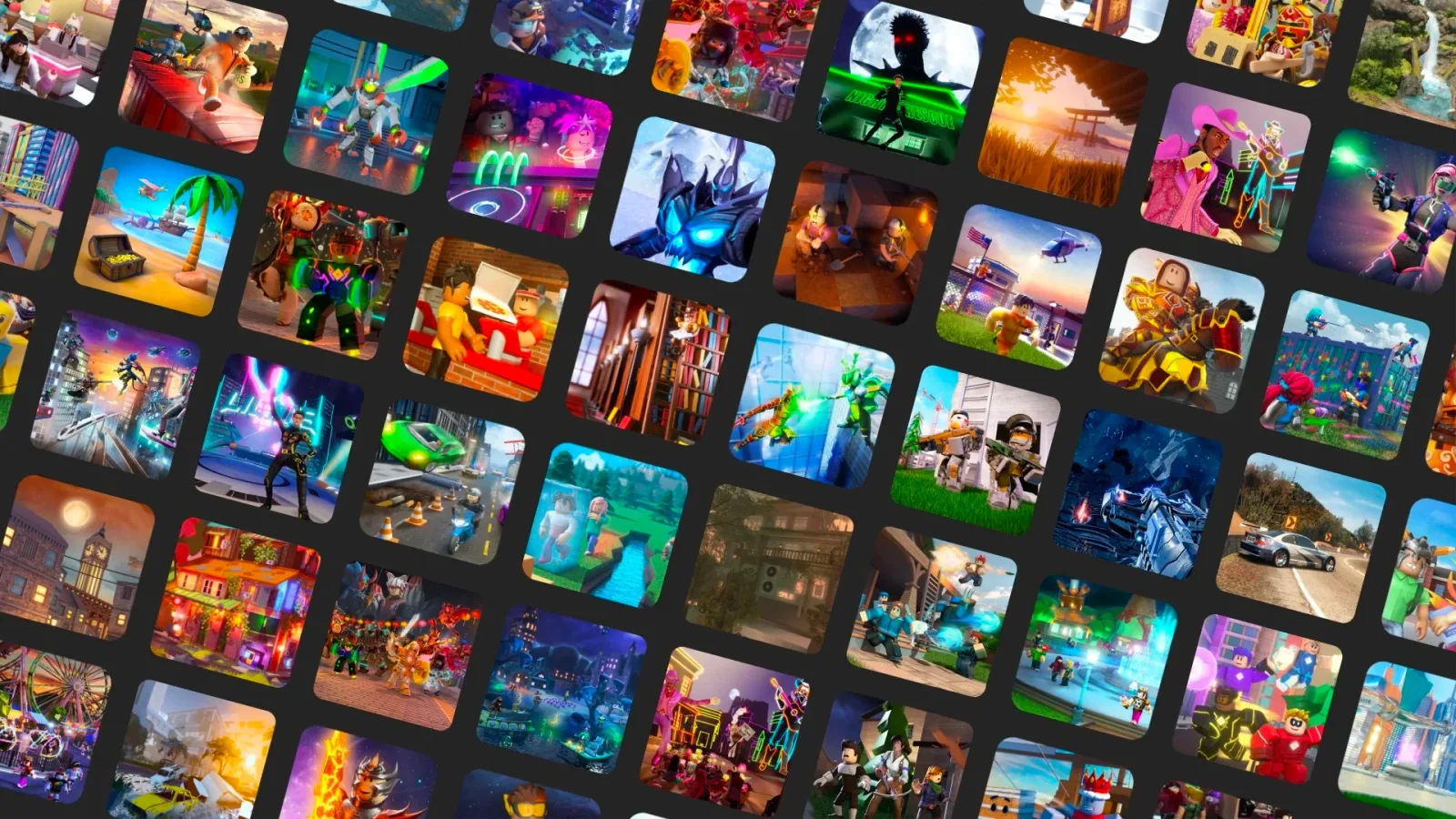
The classic annual Egg Hunt event returned to Roblox in an independent, high-budget version, but the US$29.99 price tag (about R$165) sparked strong resistance from the community. Released on July 29, 2026 under the title “Egg Hunt 2026: The Grand Express”, the game earned only 40% positive reviews in its launch week. The discontent stems not from the technical quality of the production, but from a direct break with the event's free-to-play history on the platform.
The funded comeback and the price shock
From 2008 to 2020, Roblox ran official, free egg hunts that rewarded players with limited-time themed cosmetic items. The new project was born in December 2025, when Studio Koi Koi (creator of the official 2018 edition), developer GeekOut, and the innovation division of giant Dentsu launched a crowdfunding campaign. The initial US$75,000 goal was surpassed within hours, raising US$125,000, with an average contribution of US$200 per backer.
Despite the initial enthusiasm from older backers, the public launch hit the cultural barrier of free access. Since distributing user-generated (UGC) items costs creators about US$1 per unit under the ecosystem's rules, giving away mass rewards independently became unfeasible without charging admission. Dentsu justified the US$29.99 pricing as the only way to cover development costs and pay outside talent, including Hollywood screenwriters.

What changes with Paid Access on Roblox
The title serves as the biggest practical test of the local-currency Paid Access system, implemented by the platform in late 2024. The model lets developers sell experiences in three fixed price tiers, with progressive revenue sharing:
- US$9.99 tier: the developer keeps 50% of net revenue.
- US$29.99 tier: the creator's share rises to 60%.
- US$49.99 tier: the studio's cut reaches a ceiling of 70%.
Roblox Corporation stressed that the overwhelming majority of experiences in the catalog remain free and that the decision to charge for access rests solely with each development team.
Next steps and premium ambitions
Despite criticism over the price, the consortium formed by Dentsu, Studio Koi Koi, and GeekOut confirmed it will keep launching more paid games in the ecosystem. The studios' goal is to establish Roblox as a viable distribution environment for original and third-party intellectual properties with large budgets, moving away from exclusive reliance on microtransactions.