RisingJoy to Release 20 AI Vertical Anime by 2027
Published on · Updated on
Using generative AI across 80% of its production pipeline, Singapore studio expands its vertical anime lineup on RJOY alongside Japan's NTT Docomo.
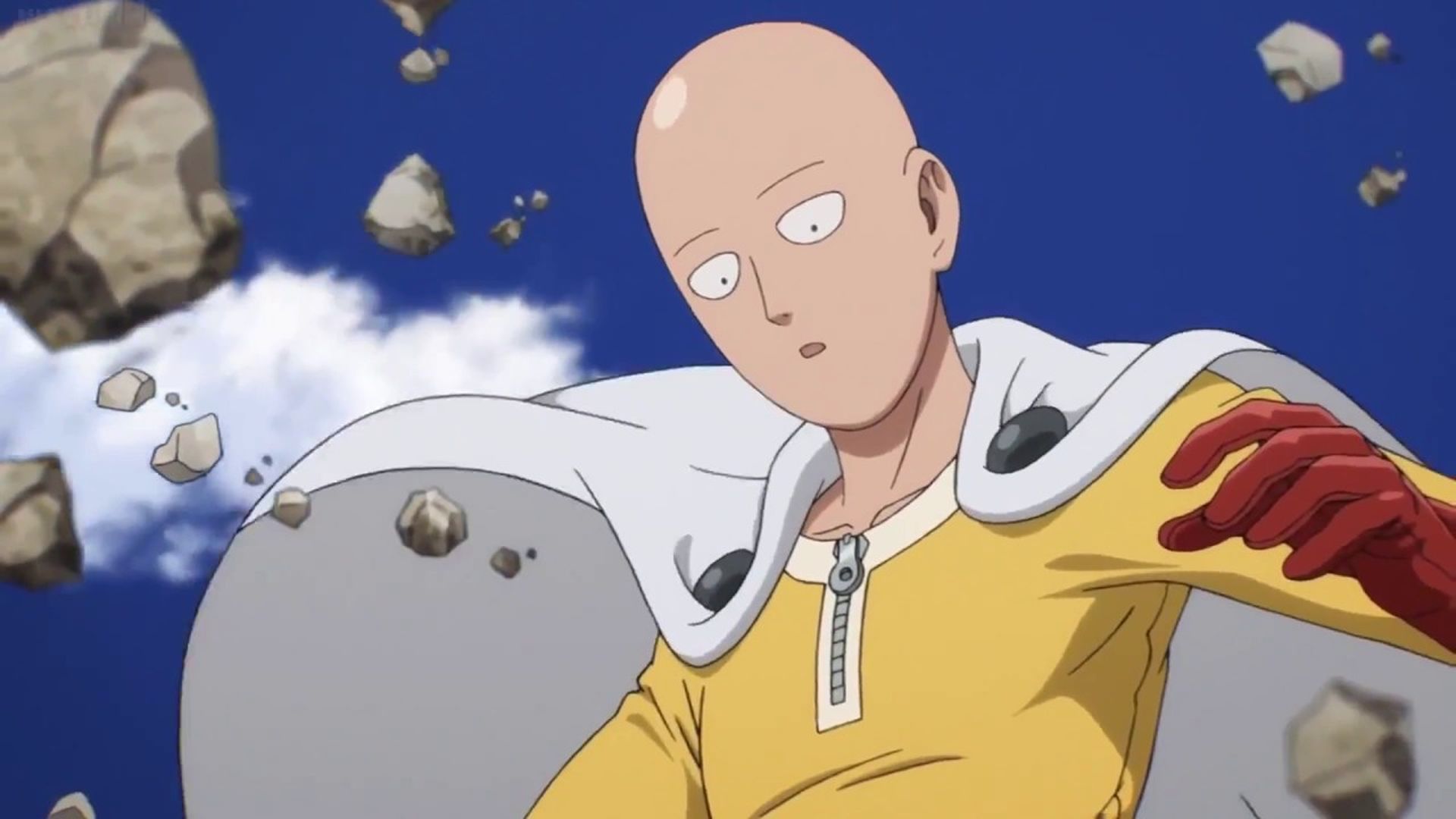
The global animation landscape is bracing for an unprecedented shift in production volume as Singapore-based micro-entertainment studio RisingJoy officially committed to an aggressive editorial schedule: the release of twenty new vertical anime series created with the assistance of artificial intelligence before the close of the Winter 2027 broadcast season. First reported by international entertainment trade publication C21Media and detailed by North American pop culture outlet CBR, the rollout will see its first two titles arrive in January 2027 on the company's proprietary direct-to-consumer mobile streaming platform, RJOY.
Industrial scale and automation across the creative pipeline
When combined with the anime titles already delivered throughout this year and upcoming releases scheduled through the end of 2026, RisingJoy's cumulative catalog of AI-assisted animation will reach thirty original series. This output velocity is practically unattainable for conventional animation houses operating under standard Japanese industry budgets and multi-year production schedules. Studio leadership maintains that utilizing automated generative algorithms is not intended to replace human ingenuity, but rather to unlock viable economics for short-form, mobile-first entertainment.
According to previous insights shared by RisingJoy co-founder and Chief Executive Officer Cassandra Yang, artificial intelligence tools perform approximately 80% of the studio's foundational visual rendering and in-between animation workflow before the in-house creative staff steps in to guide storytelling, character integrity, and quality control.
“Most successful vertical series today are live-action and vertical anime is still an underdeveloped category. We read that as an opportunity rather than a limitation. Our own data shows the anime audience is narrower for now, but those viewers are more loyal, more engaged and more attached to the characters, and that is what franchises are built on. This is a strategic category for us, not an experiment.” — Cassandra Yang, co-founder and CEO of RisingJoy
Existing catalog and microdrama adaptations
RisingJoy originally established its global footprint by pioneering vertical live-action microdramas. Its worldwide catalog comprises more than 650 titles localized across Chinese, English, and Korean, distributed across over 50 platforms in 30 countries. Over the past twelve months alone, more than 80 of these productions achieved over 100 million views each, while the studio's top three properties have each crossed the threshold of 1 billion aggregate views.
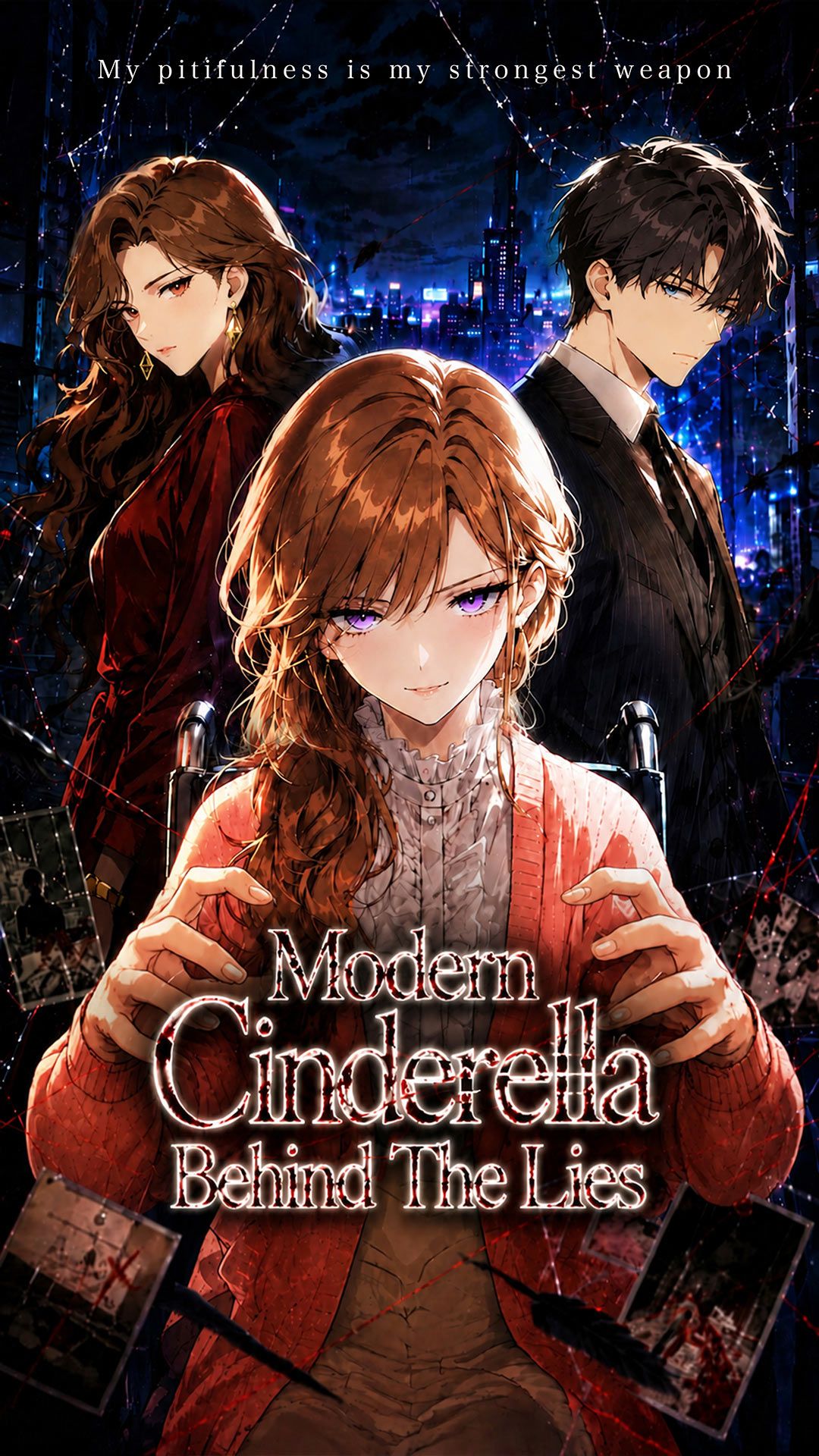
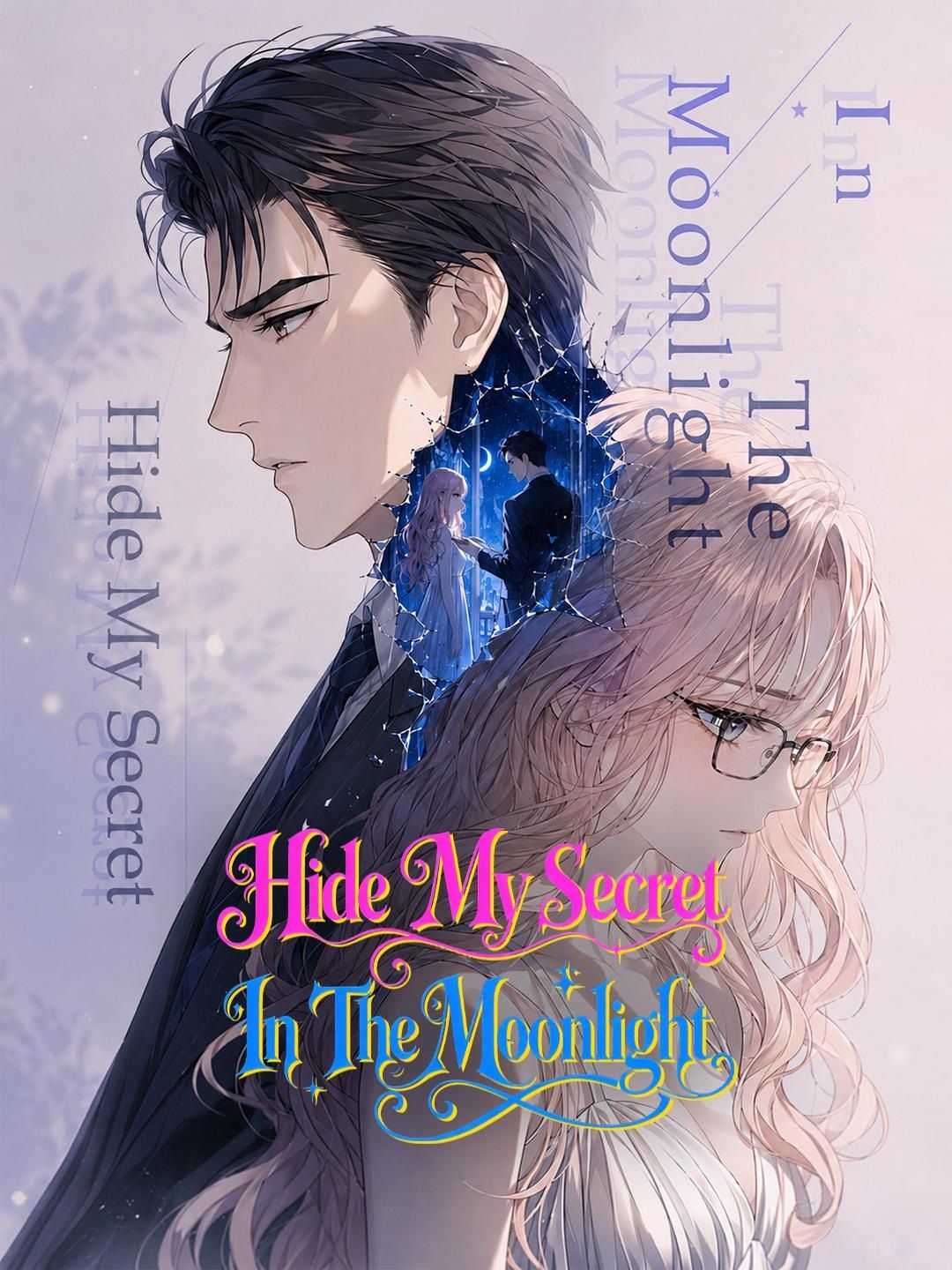
Expanding into mobile animation, the studio has already produced and debuted six AI-assisted vertical anime series this year: Addicted to the Dark Boss, Hide My Secret in the Moonlight, In the Devil’s Hand, Last Order from the Revenge Club, Locked Away I Became Unbreakable, and Modern Cinderella Behind the Lies. Significantly, both Addicted to the Dark Boss and Hide My Secret in the Moonlight originated as live-action microdrama hits before being reimagined as vertical animated properties.
Strategic alliance with NTT Docomo and TikTok distribution
To accelerate its international expansion and content acquisition, RisingJoy entered into a formal memorandum of understanding (MoU) with Japan’s NTT DOCOMO Studio & Live, a wholly owned subsidiary of telecom giant Nippon Telegraph and Telephone Corporation. Under the framework agreement, RisingJoy will license Japanese titles on a non-exclusive basis while co-distributing vertical entertainment across Southeast Asia, North America, and European digital storefronts.
Beyond its dedicated RJOY consumer app, the studio relies on strategic social media placement across TikTok, reaching a vibrant ecosystem of over two billion active global users who naturally consume 9:16 mobile video. The bite-sized episodic model—typically 1 to 3 minutes in length—relies on high-velocity pacing and immediate cliffhangers engineered for mobile retention.
| Production Model | Format & Aspect Ratio | AI Tool Integration | Distribution Window |
|---|---|---|---|
| RisingJoy (RJOY) | Vertical 9:16 (1–3 min) | ~80% automated with human oversight | D2C mobile app, TikTok, Asian OTT |
| Ryuu Studio | Vertical 9:16 (short-form) | 0% AI (100% human-crafted) | Dedicated indie animation streaming app |
| Traditional Broadcast Anime | Horizontal 16:9 (20–24 min) | Manual keyframes & standard CGI | Japanese TV, Crunchyroll, Netflix |
The ideological divide: AI efficiency versus studio tradition
The swift rise of artificial intelligence in animation has ignited passionate debates across the anime community. While RisingJoy embraces automation to scale production velocity, other emerging vertical platforms have staked their entire brand identity on rejecting machine generation. Independent studio Ryuu recently launched an original mobile platform specifically positioned as an entirely human-made ecosystem designed to champion indie animators, headlined by original productions such as Granite Wars.
Concurrently, traditional Japanese broadcasters and legacy animation studios are exploring ways to accommodate mobile consumption patterns, with major networks testing truncated 5- to 6-minute linear broadcast slots. Even so, the Winter 2027 broadcast window remains dominated by premier hand-crafted productions, including the second season of Sakamoto Days, Wit Studio's reimagined The One Piece on Netflix, the return of One-Punch Man Season 3 Part 2, and the third installment of Mashle: Magic and Muscles.
This dynamic demonstrates that while traditional broadcast formats continue to preserve complex artisan craft, vertical screens have evolved into a testbed where AI automation seeks to prove its financial and cultural sustainability.