Minecraft: End of Big Annual Expansions — What Changes
Published on · Updated on
Mojang confirmed the end of Minecraft's big annual expansions. See what changes for players, servers, and mods with the new format.
Mojang has confirmed that Minecraft will no longer get big annual expansions like in recent years: instead of one giant “drop” per year, the game will now receive smaller, more frequent updates throughout the year — changing the pace of content for players, servers, and mods. It is the biggest change to the game's development model in its history.
The old format
For years, Minecraft followed the model of one big themed update per year — with new biomes, mobs, and mechanics bundled into a single giant package. The format delivered a launch event, with videos, countdowns, and hype, but left the game without news for months between drops. In the end, the community spent more time waiting than playing the new content.
What the developers said
Mojang broke its silence on the future of the game to explain the change: the big-expansion model was becoming hard to sustain at the same quality, and players showed a preference for regular content. The decision was to swap the annual event for a steady stream of smaller updates — without promising version names or fixed dates, but guaranteeing more consistent releases.
What changes with the new format
- Content arrives faster: instead of waiting for the annual expansion, players get new features in smaller, more frequent packages.
- More balanced updates: smaller packages are tested with less friction — bugs and balancing become easier to fix.
- Servers adapt more often: server and Realms admins need to update more frequently, but each migration is smaller.
- Mods keep up better: the mod community gets smaller adaptation windows per update, with fewer changes at once.
- Ongoing polish: the base game receives quality-of-life tweaks between packages instead of waiting for the annual window.
What does NOT change
Minecraft continues with free updates — the end of big expansions does not mean the end of content or a change to the purchase model. The base game keeps getting new features, and platforms stay aligned between Java and Bedrock. Realms owners keep the same service, just with more frequent updates to apply.
The impact on servers and the community
For server admins, the change cuts both ways: updating more often is more work, but each update is smaller and more predictable — without the compatibility shock that big expansions caused. For mod creators, the effect is similar: less broken code per version, more versions to follow. The final balance favors players: new content arrives sooner and with fewer bugs.
What to expect going forward
The new pace prioritizes smaller, more regular releases that are easier to maintain. For the average player, the change is positive: there is always something new within a short interval, without the months-long gap between expansions. And for those who play with mods and servers, Mojang's heads-up lets them plan adaptations in advance instead of being surprised at launch.
If you want to be ready for every update, check out the definitive guide to mastering Minecraft in 2026 — it covers the mechanics that still apply in any version.
Comparison with the rest of the market
The new model brings Minecraft closer to the games-as-a-service standard: smaller, steadier updates focused on polish — instead of the “one big new thing per year and silence the rest of the time” cycle. It is the same direction other long-running titles have taken, with the advantage that Minecraft still requires no mandatory subscription to update.
The difference is that Mojang keeps its identity: the smaller packages remain themed and free, and the game does not rely on an item shop to sustain the pace. The balance between novelty and identity is what the community will watch closely in the coming cycles.
How to prepare for the new pace
For the average player, preparation is simple: update the game when the notice arrives, test the new content in a test world, and only then apply it to your main world. For servers, planning changes: schedule short maintenance windows for each package instead of one big annual event.
The mod community, in turn, has gained predictability: with smaller changes per version, mods break less and update faster. In the end, every side wins — as long as the promised pace holds. For those who have played since the earliest versions, it feels like a game that has finally found its own rhythm. And for newcomers, the timing is great: there is no more anxiety about “missing the window” of a big expansion.
Frequently asked questions
- Will Minecraft stop receiving updates? No — the game keeps being updated; what changes is the format, with smaller, more frequent packages replacing the annual expansion.
- Will updates stay free? Yes, Minecraft's free-update model is not changing.
- What happens to servers? Servers need to update more often, but each update is smaller and less disruptive.
- When does the new format start? The transition has already begun: Mojang has already been delivering smaller content packages in recent cycles.
Follow more Minecraft news and other games in the Revista Pixel games category and the official announcements on the Minecraft website.
Suggested and related articles
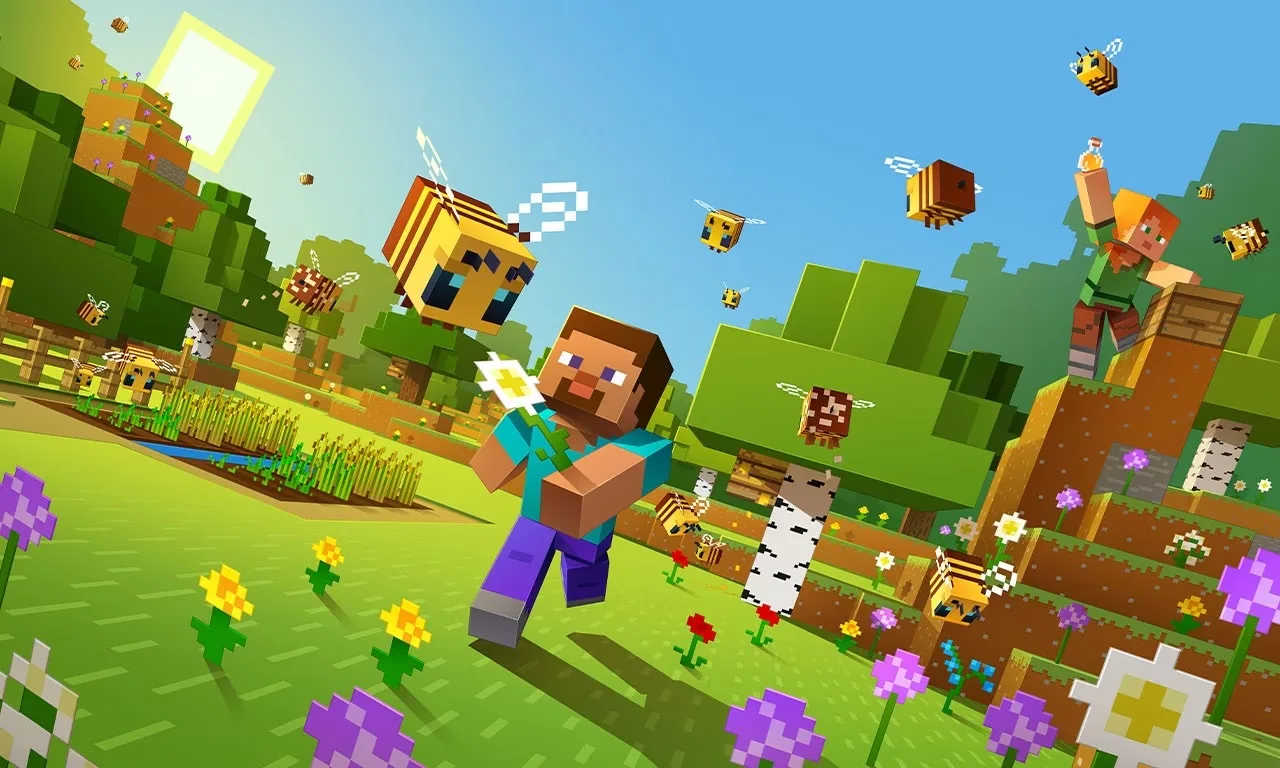
Will It Still Run on My PC? Minecraft Changes System Requirements for the First Time in 17 Years
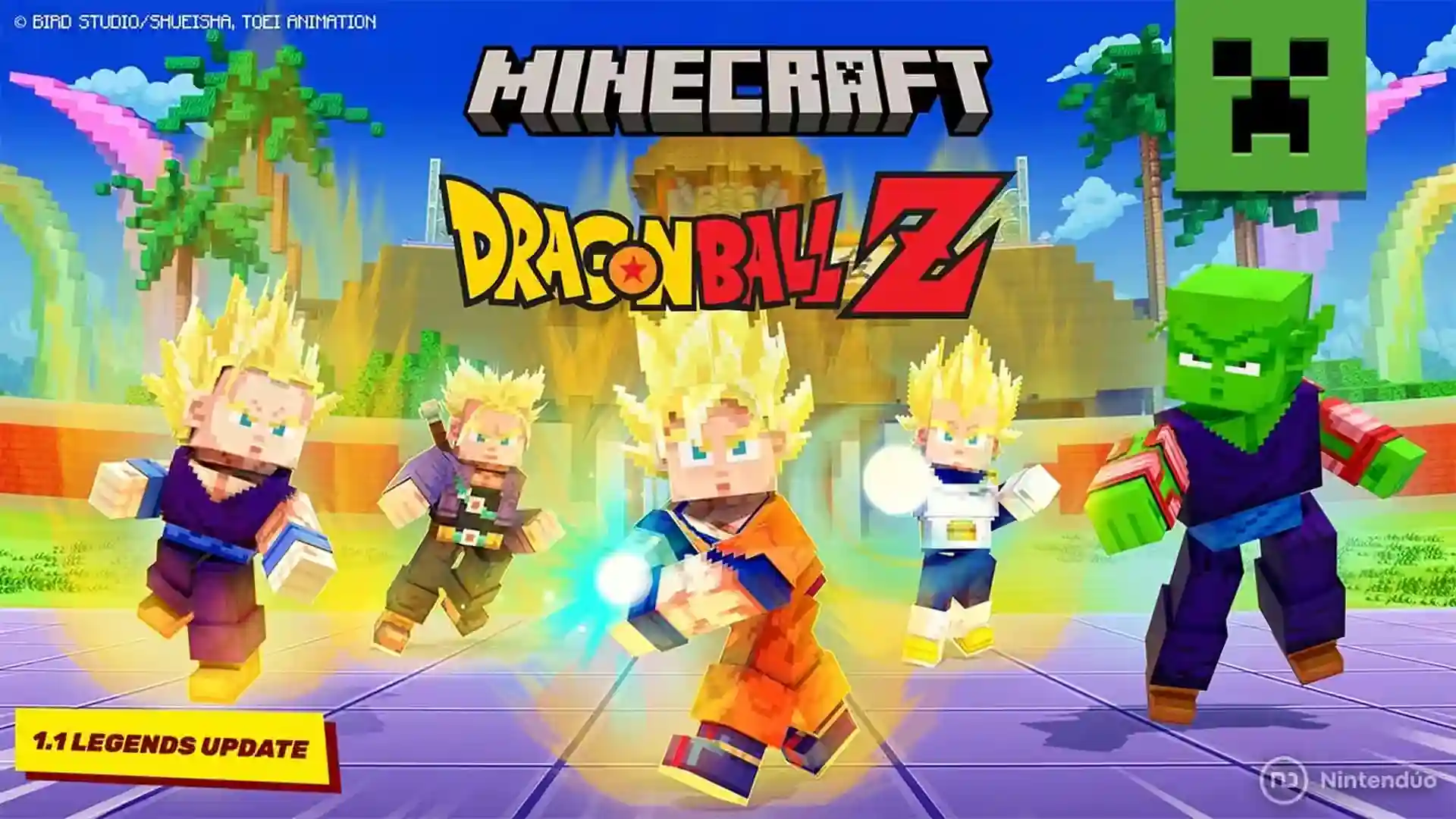
Minecraft x Dragon Ball Z: 1.1 Legends update adds Vegito
Minecraft for Beginners: Complete Survival Guide
Minecraft: How to Get a Name Tag and Never Lose Your Animals
Pokemon Clone Revolutionizes Minecraft With New Alpha Monsters, Dozens of Map Structures and Mysterious Mechanics