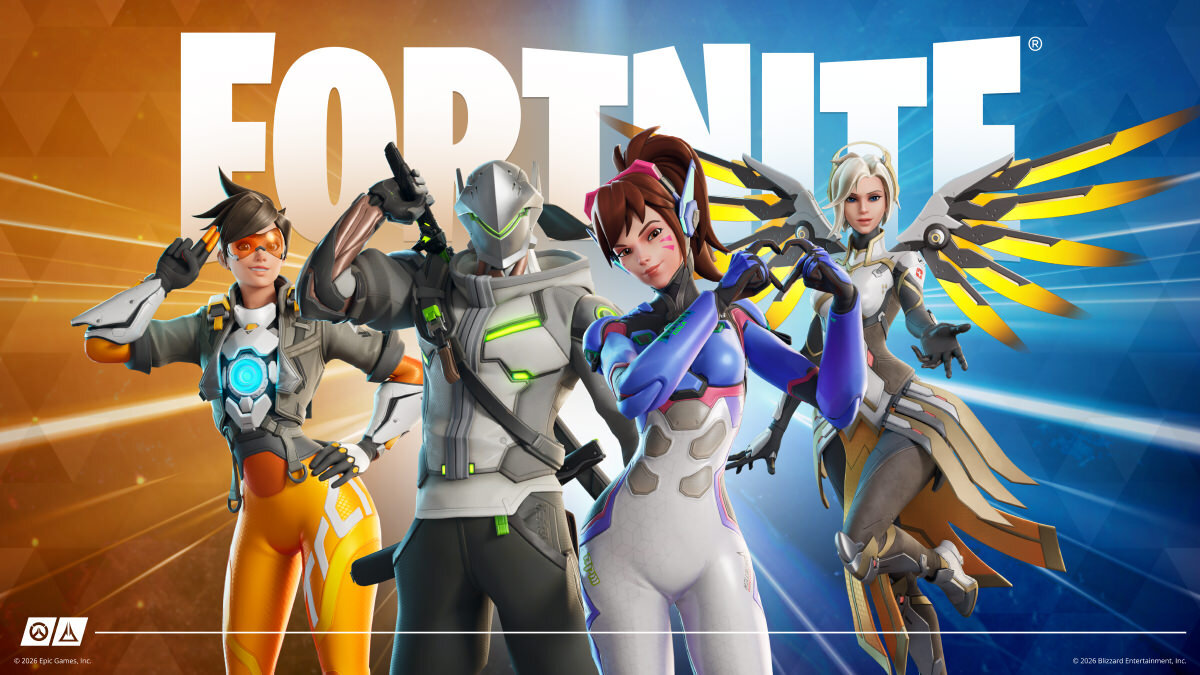
UEFN explained: how to make and publish Fortnite games
Published on · Updated on
Epic's free editor turns Fortnite into a game platform; here is what UEFN can do, how publishing works and how creators get paid for their islands.
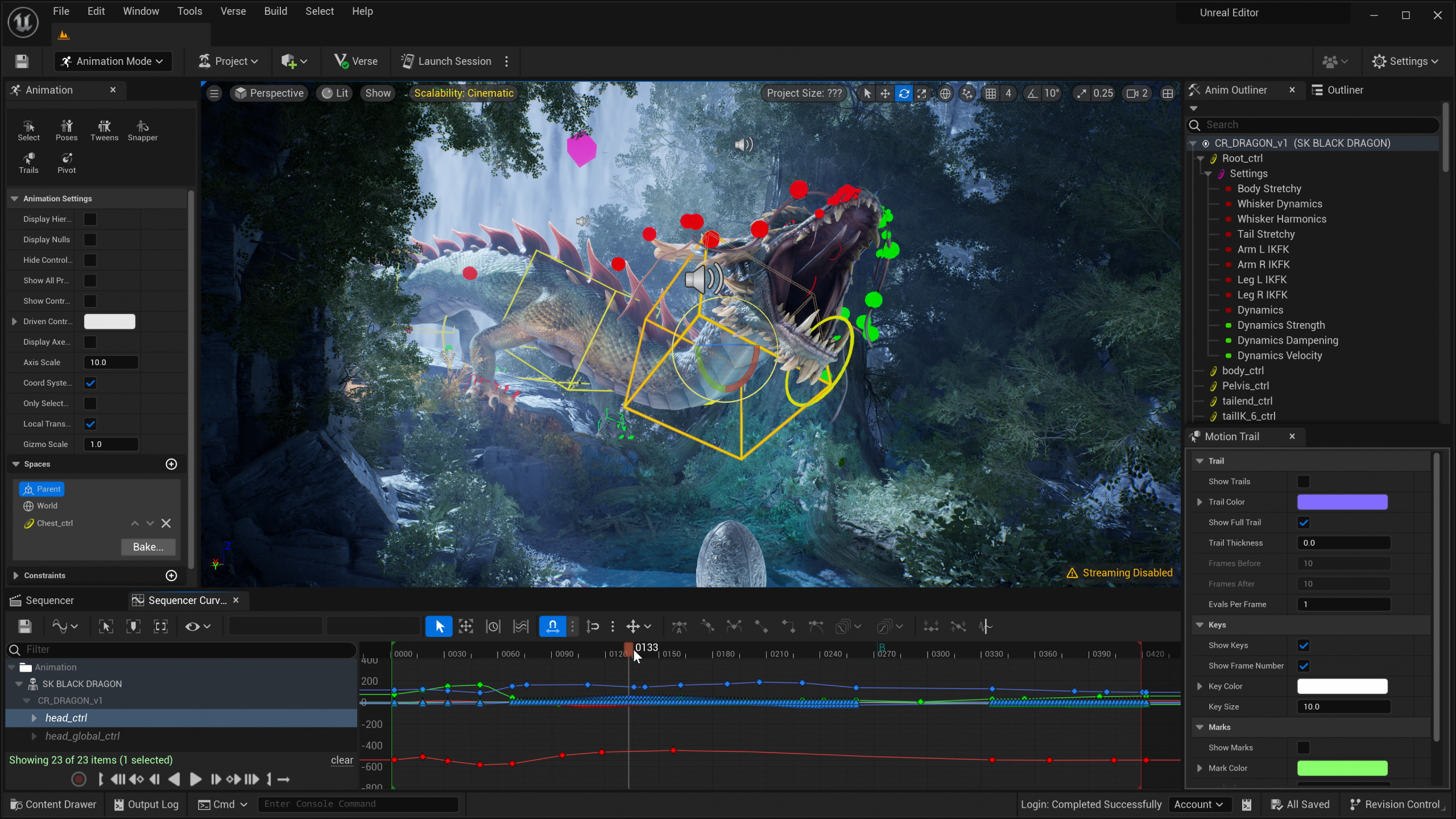
Unreal Editor for Fortnite (UEFN) is Epic Games’ free application for building, testing and publishing games inside Fortnite — the so-called “islands”. Launched in public beta on March 22, 2023, it combines Unreal Engine 5 tools such as modelling, lighting, visual effects and animation with Fortnite Creative’s device system, and uses the Verse programming language to give each experience its own logic. Anyone who is a legal adult, has an Epic account with two-factor authentication and is enrolled in the Fortnite Developer Program can publish. The island then runs on PC, consoles and mobile, and the creator earns from engagement and from sales inside the game.
The reach explains the interest. Epic counts more than 500 million Fortnite accounts and said in June 2026 that it had paid developers more than $1 billion since UEFN launched. In the tool’s first year, creators published more than 80,000 islands. Instead of setting up a studio, registering a company and negotiating with storefronts, a creator ships through the Creator Portal and reaches an audience that is already inside the game.
Ouch Studios, from Jönköping, Sweden, shows how that works on a small scale. Founded in 2025 by three friends who had played Fortnite since 2017, the studio released 16 titles in just over a year, all built in UEFN, and racked up 13 million sessions and 300 million minutes played. Its latest, Abyss, is a co-op deep-sea horror game for up to four players, released on October 15, 2026 with support from Epic itself.
What UEFN actually is
UEFN is not a tab inside Fortnite: it is a separate program, installed through the Epic Games launcher, and it runs on PC only. Inside it, a creator opens a project, imports models, sculpts terrain, builds materials, places lights, records cutscenes and scripts behaviour. The project is then cooked, uploaded for testing and published into Fortnite, where it runs on every platform the game supports.
Under the hood is the same editor professional studios use for Unreal Engine, trimmed for the Fortnite context. The interface, shortcuts and workflow feel like the “real” Unreal Editor — an advantage for experienced developers and an obstacle for anyone who has never opened an engine. Epic softens the curve with ready-made templates, feature examples and official tutorials.
UEFN sits alongside Fortnite Creative, the in-game editing mode. The key difference is control: Creative works with official galleries and devices, while UEFN accepts custom assets, Verse code and much finer environment work. Both publish into the same ecosystem.
| Criterion | Fortnite Creative | UEFN |
|---|---|---|
| Runs on | Inside Fortnite, on PC, console or mobile | Separate application, PC only |
| Content | Official galleries and devices | Imported assets, modelling, VFX and terrain |
| Logic | Device configuration | Devices plus Verse programming |
| Best for | Fast prototypes and simple ideas | Full games with their own visual identity |
What the tool can do today
The feature list has grown a lot since the beta. UEFN already covers model and texture import, landscape sculpting, custom materials, Lumen lighting, Niagara effects, Control Rig and Sequencer animation, MetaHuman characters and interface building. In 2026, Epic added procedural content generation (PCG) for assembling forests, cities and points of interest without placing every object by hand, plus debugging tools and licensable assets on Fab.
Version 43.00, released on November 1, 2026, brought the Progression API for custom quests, USD file import and Scene Graph improvements — the system that organises an island’s entities and components. In practice, the ceiling is no longer “make a map” but “make a game”: first-person shooters, RPGs with quests, racing games and narrative experiences with conversational NPCs are all possible. The limit remains Fortnite itself: the island must run on PC, console and mobile, stay within the memory budget for each area and pass moderation.
Verse, the language that brings an island to life
Verse is the language Epic built for UEFN. It is designed to be many people’s first contact with programming, but it is not a toy: it is strongly typed, treats failure as control flow and has built-in concurrency, features that help prevent bugs in multiplayer games. It handles what ready-made devices cannot — custom scoring, a different win condition, an inventory, a special ability or the logic of a creature that hunts the player.
For people coming from outside programming, the realistic path is to start with a template, change small rules and only then write systems from scratch — Epic keeps a free learning track that runs from “hello, world” to complete projects.
How a creator publishes an island
Publishing is not a button inside the editor. UEFN prepares and uploads a private version; the actual release happens in the Creator Portal, Epic’s web dashboard. The flow has six stages:
- Account and program. You must be a legal adult, enable two-factor authentication on your Epic account and enrol in the Fortnite Developer Program. Since 2026, enrolment can happen before tax and payment setup; to receive money, you still need to complete tax verification and a payout account later.
- Project and tests. Build the island, test it in Fortnite with “Launch Session” and edit live while playing with your team.
- Cook and upload. When the session ends, UEFN calculates memory usage and uploads a private version. If one area exceeds its budget, the upload fails.
- Release package. In the Creator Portal, add title, description, tags, category, a 1920×1080 thumbnail, promotional media and attributions for third-party assets.
- Age rating. The IARC questionnaire sets the island’s minimum age. Without a rating, the content cannot go live.
- Visibility and moderation. Choose public, unlisted or private and submit for review. Once approved, the island gets a code in the 1234-5678-9012 format and becomes discoverable in Fortnite.
Review combines automated scanning and a human pass. Misleading metadata, unauthorised intellectual property, inconsistent age-rating answers and problematic audio are among the most common reasons for rejection. A useful habit is to launch as “unlisted” first, test with a small group and only then open it to Discover.
What it costs and how creators earn
UEFN is free. The money comes from two main sources. The first is the Engagement Payout: Epic sets aside 40% of eligible net revenue from the Fortnite Item Shop and real-money purchases for a pool distributed monthly among island publishers, including Epic’s own islands. The formula weighs active playtime, retention, the ability to attract new players or bring back lapsed ones, and V-Bucks spending around the experience.
The second is in-island selling. Creators can offer items paid for in V-Bucks, with a monthly payout separate from the engagement bonus. The rules changed in 2026: enrolment became simpler, and early earnings can sit in a developer wallet in V-Bucks until tax and banking verification is complete.
| Number | What it means |
|---|---|
| 500 million+ | Registered Fortnite accounts, according to Epic |
| 80,000+ | UEFN islands published in the tool’s first year |
| $1 billion+ | Paid by Epic to Fortnite developers through 2026 |
| 40% | Share of eligible net revenue funding the engagement pool |
| 13 million | Sessions accumulated by Ouch Studios’ games |
What the numbers do not show is distribution. The pool is split across thousands of islands, and most of the money goes to a handful of high-performing projects. Publishing does not guarantee income: it guarantees eligibility. For most creators, the return comes after several iterations and a recurring community.
What Ouch Studios teaches about the model
Ouch’s story starts with three friends who had played Fortnite since 2017. Oliver Ernst, Alexander Schelin and Vide Tolf opened the studio in 2025 with no prior game-development experience. Their first lessons came from YouTube videos and trial and error inside the editor.
“I had zero, absolutely zero experience in game development. I learned through YouTube.”
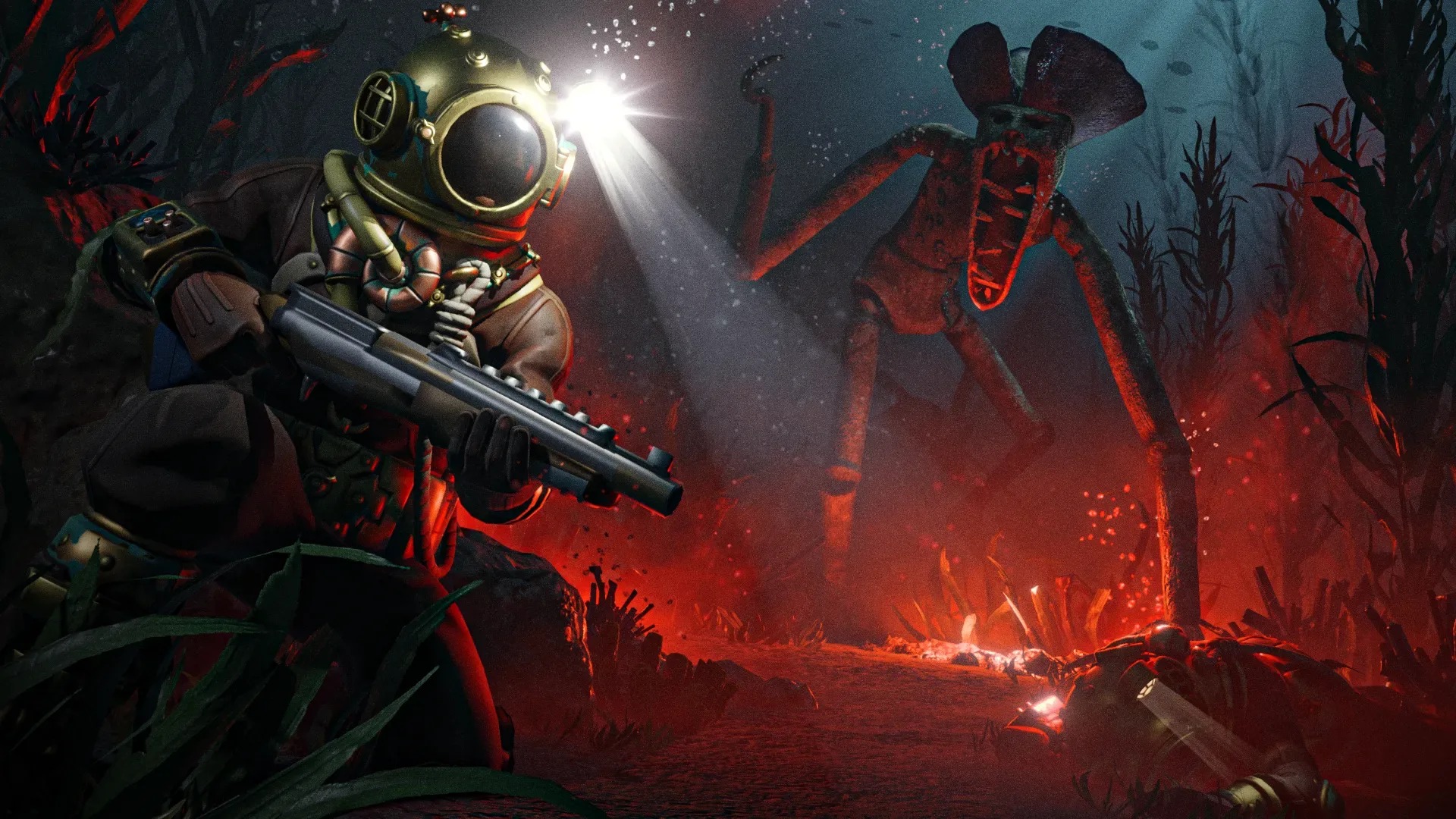
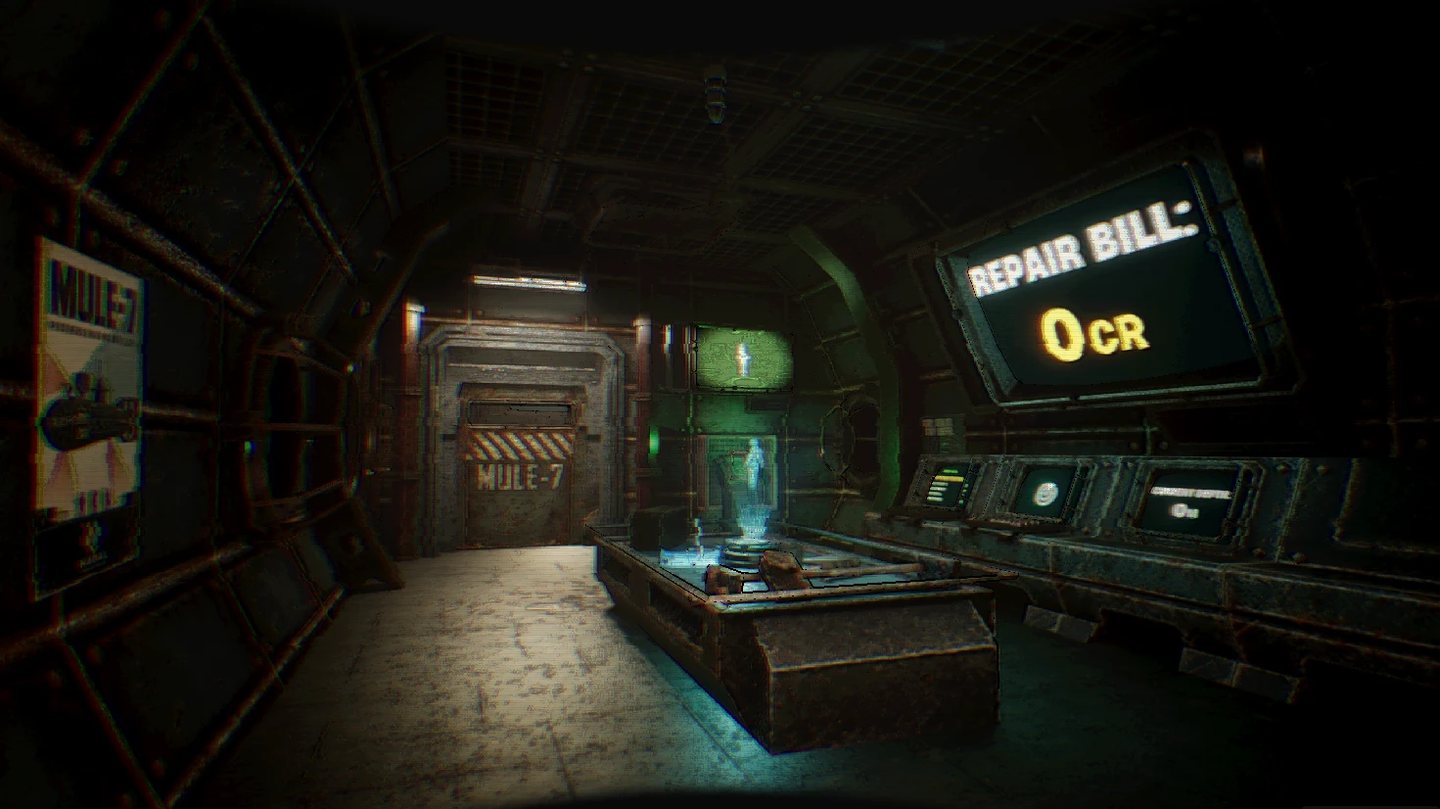
The studio chose horror for a practical reason: it was the genre that gave the most creative freedom to work with environment, sound and tension. All 16 games follow that line, and the most ambitious, Abyss, puts up to four players aboard a submarine that falls apart while the crew loots abandoned stations on the seabed. Its age rating is 12+, which restricts access to players above that age inside Fortnite itself.
The partnership with Epic changed the scale. “When our games started reaching a bigger audience, Epic noticed us and understood we could do bigger things,” Oliver said. According to him, the company’s mentorship brought feedback the team would not have known to ask for: adjustments to retention, pacing and clarity to stop players from abandoning a match in the first few minutes.
“Fortnite is like a big playground. Epic built the playground, but gave us the tools to build and share our own rides.”
The limits nobody should ignore
UEFN is powerful, but it is not a shortcut. Building requires a reasonably capable PC; publishing requires legal adulthood and programme enrolment; distributing means accepting Epic’s rules and moderation. The island must work with controllers, keyboard and touch, which limits mouse-precision mechanics, and mobile performance is usually the hardest test.
There is also structural dependence. The entire audience is inside Fortnite, and creators do not control the storefront: Discover changes, monetisation rules change and competition grows. Anyone building a business on the platform must treat each island as a living product, with updates and a community — not as a project to ship and forget.
How to start without getting lost
The shortest path to a first published island is deliberately modest. Install UEFN through the Epic launcher, open a feature template and change one simple rule. Publish it as “unlisted”, gather five people who have never seen the project and watch where they get stuck. Only then think about Discover, monetisation and weekly updates.
Follow what Epic publishes in the UEFN documentation and in the Creator Portal, because rules and features change with every release. To grasp the platform’s scale, also read our guide to the December 5 live event and the explainer on Hatsune Miku and Kasane Teto in Fortnite.
Is UEFN free? Yes. The editor and Fortnite access cost nothing. Monetisation is optional and depends on programme enrolment, age verification, taxes and a payout account. Do I need to know how to code? Not to start: templates and devices let you build an island without code. For custom systems, Verse is the way. Does it work on console or mobile? The editor does not; published islands do. Can minors publish? Not through the official programme: you must be a legal adult where you live, and parental consent does not replace that requirement.
For anyone who wants to learn game development with a real audience, UEFN is one of the most accessible doors available: a free tool, global distribution and a revenue pool that has already passed $1 billion in payouts. For anyone expecting a quick return, it is a trap. The platform rewards consistency, technical quality and an understanding of players — exactly what Ouch needed 16 games to build.
Suggested and related articles

When does Fortnite Treasure Hunters Week 3 end?
How long is Fortnite's four-hour Treasure Hours bonus

Fortnite 43.10: 25 new Sprites and the Zero Point return
Fortnite Pirate Shop Token: how to get and use it

Captain X: who is Fortnite's masked treasure man?