Sony U-turns on PC and bets on PS5 exclusives
Published on · Updated on
Sony brings back the 'PlayStation Exclusive' badge on Ghost of Yōtei and Until Dawn 2, confirming its retreat from PC releases for single-player games.
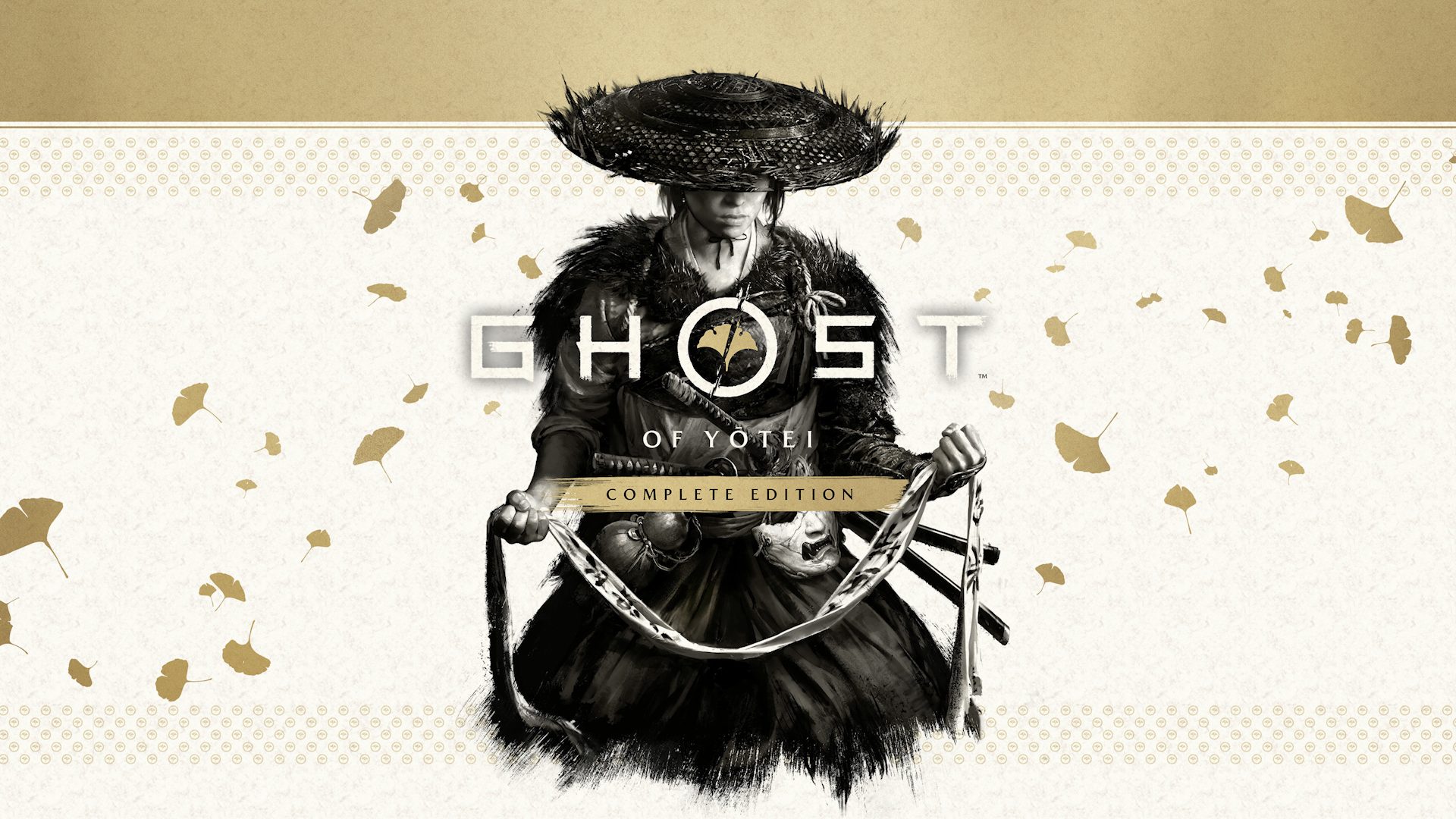
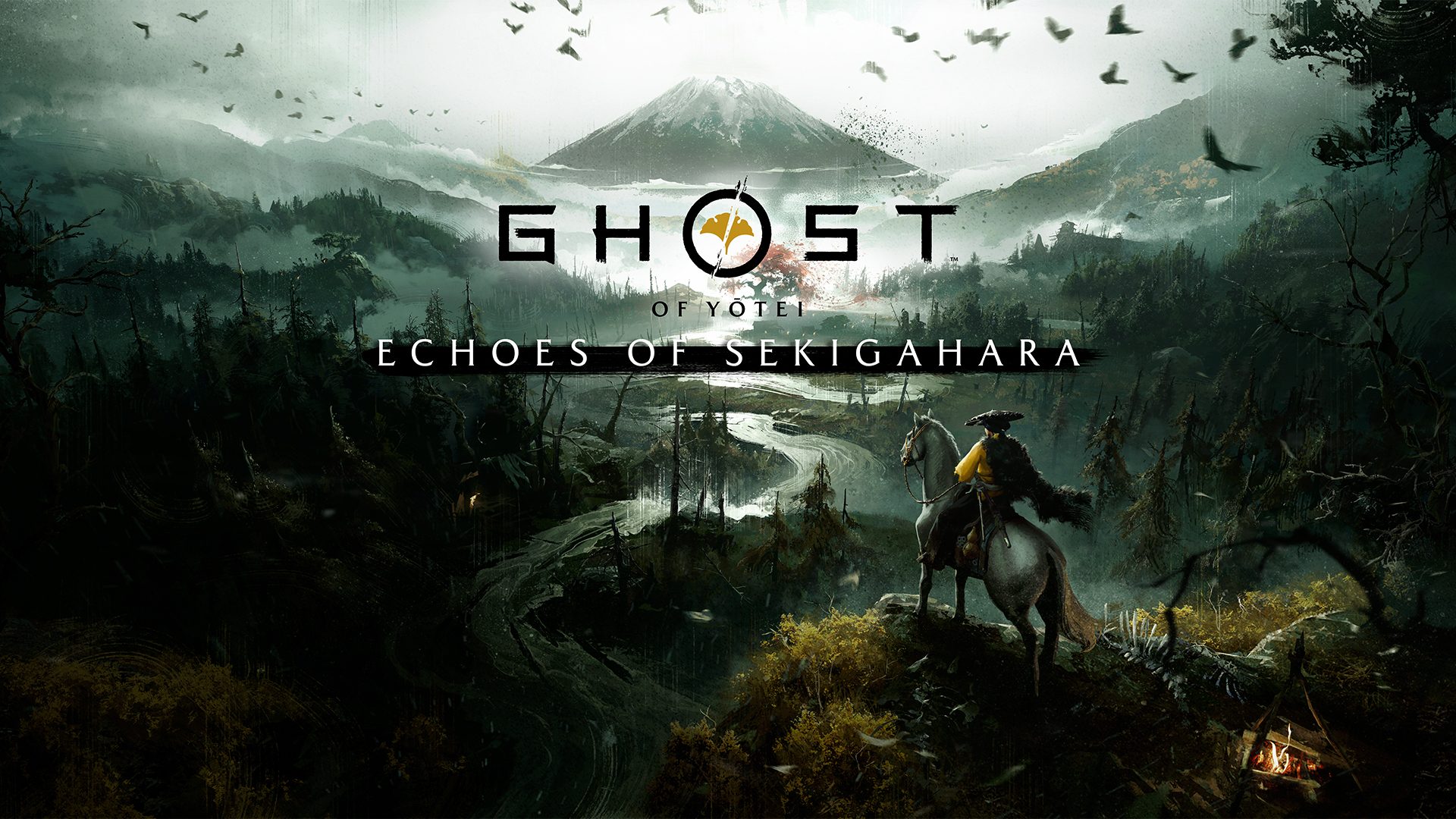
São Paulo — Sony has brought the “PlayStation Exclusive” badge back to its official PlayStation.com game pages. The label was spotted on November 7, 2026, on the listings for Ghost of Yōtei Complete Edition and Until Dawn 2, which now appear as PlayStation 5 exclusives with no reference to a PC version. The move closes a cycle that began earlier this year, when the company halted plans to bring its major single-player games to computers and decided to keep only multiplayer titles and live-service games on PC.
On the surface, the change is small — a blue tag featuring the controller button symbols — but it sends a direct message to PC players who spent nearly six years learning to wait for ports of hits such as Horizon Zero Dawn, God of War, The Last of Us Part I and Ghost of Tsushima. Now the two flagship releases of PlayStation Studios’ 2026-2027 slate carry an explicit warning: playing them requires a console.
What the badge shows — and what it does not say
The badge was first noticed by the user known as Radec on X and reported by Push Square on November 7. On the US pages, it appears above the title on both the Ghost of Yōtei listing — which currently promotes the Complete Edition — and the Until Dawn 2 page. Japanese outlet Game*Spark also found the mark on Gran Turismo 7 around November 9, suggesting the tag is not limited to a single title or a single market.
Not every first-party game received it. Checks published by outlets such as TweakTown and Gaming Route showed that pages for Astro Bot, Saros and Marvel’s Wolverine were still without the badge days after it appeared. The multiplayer title Marvel Tōkon: Fighting Souls, released in August 2026 and also available on PC, does not display it either — a detail consistent with the policy Sony has described since June.
There is also an asterisk next to the word “Exclusive.” As of publication, Sony has not released the footnote explaining what it means, nor said whether the badge signals permanent exclusivity or launch-only exclusivity. That gap matters: the company has already brought games to PC that were once presented as console exclusives, and its recent track record shows the policy can change again.
A U-turn built in nine months
The badge did not come out of nowhere. It is the most visible layer of a process that started behind closed doors and was confirmed in stages throughout 2026. The timeline below gathers the public milestones and the reporting from specialist outlets:
| Date | What happened |
|---|---|
| 2020–2025 | Sony brings titles such as Horizon Zero Dawn, God of War, Marvel’s Spider-Man and Ghost of Tsushima to PC, always months or years after their console debut. |
| March 2026 | A Bloomberg report by Jason Schreier says Sony would drop PC versions of single-player games, starting with Ghost of Yōtei and Saros. |
| May 2026 | Studio executive Hermen Hulst tells staff at an internal meeting that narrative single-player games will be PlayStation exclusives. The reasons cited: inconsistent releases, revenue below expectations and keeping intellectual property aligned with the platform. |
| June 2026 | CEO Hideaki Nishino confirms the new direction in an interview with Famitsu. In the same period, Sony’s annual strategic summary stops mentioning the expansion of first-party titles to multiple platforms such as PC. |
| November 7, 2026 | The “PlayStation Exclusive” badge reappears on the Ghost of Yōtei Complete Edition and Until Dawn 2 pages, and later on Gran Turismo 7 in some regions. |
The timeline helps separate official statements from market interpretation. Sony never issued a press release saying “we are abandoning PC.” What exists is a sequence of business decisions, changed language in corporate documents and executive comments that, taken together, point in the same direction.
What Sony actually said
The most direct comment came from Hideaki Nishino, president and CEO of Sony Interactive Entertainment, in a June 2026 interview with Famitsu. Asked about the possibility of reconsidering PS5 releases on PC, he said:
“Our current main policy is that, for single-player games developed in-house, we will further refine the value of the gaming experience that PlayStation can offer. At the same time, we believe it is important for live-service games to reach a wider audience through online multiplayer, so we continue to view releases on both PS5 and PC as the standard.”
In practice, the statement sets two speeds. Narrative games from internal studios, such as Ghost of Yōtei, Until Dawn 2 and the upcoming God of War and Marvel’s Wolverine, stay on the console. Multiplayer and live-service games, which depend on an installed base to survive, keep coming to PC — as is the case with Marvel Tōkon: Fighting Souls and Marathon.
The official line, however, coexists with blunter versions from inside the company. The Bloomberg reporting cited by outlets such as VGC says Hulst was explicit with staff: the ports did not make enough money, the release cadence was inconsistent and the company wanted to keep its intellectual property tied to its own ecosystem. It is a commercial justification, not just a branding one.
Why Sony says it reversed course
Three factors come up repeatedly in behind-the-scenes explanations. The first is financial: PC versions, released one or two years late, did not match the commercial performance of console launches. The second is strategic: Sony came to see its single-player catalogue as the main reason to buy a PS5, and therefore as an asset that should not be shared. The third is operational: running two release schedules and dedicated porting teams increased costs and pulled studios away from their main projects.
There is also a communication component. During the PS4 generation, the “Only on PlayStation” slogan helped build the console’s identity. The PC expansion diluted that message, and the return of the “PlayStation Exclusive” badge attempts to rebuild it in a simple way, visible right on the store page. For players who research before buying, the label answers a practical question: will this game come to PC or not? The answer, for now, is no — at least for the titles that carry the mark.
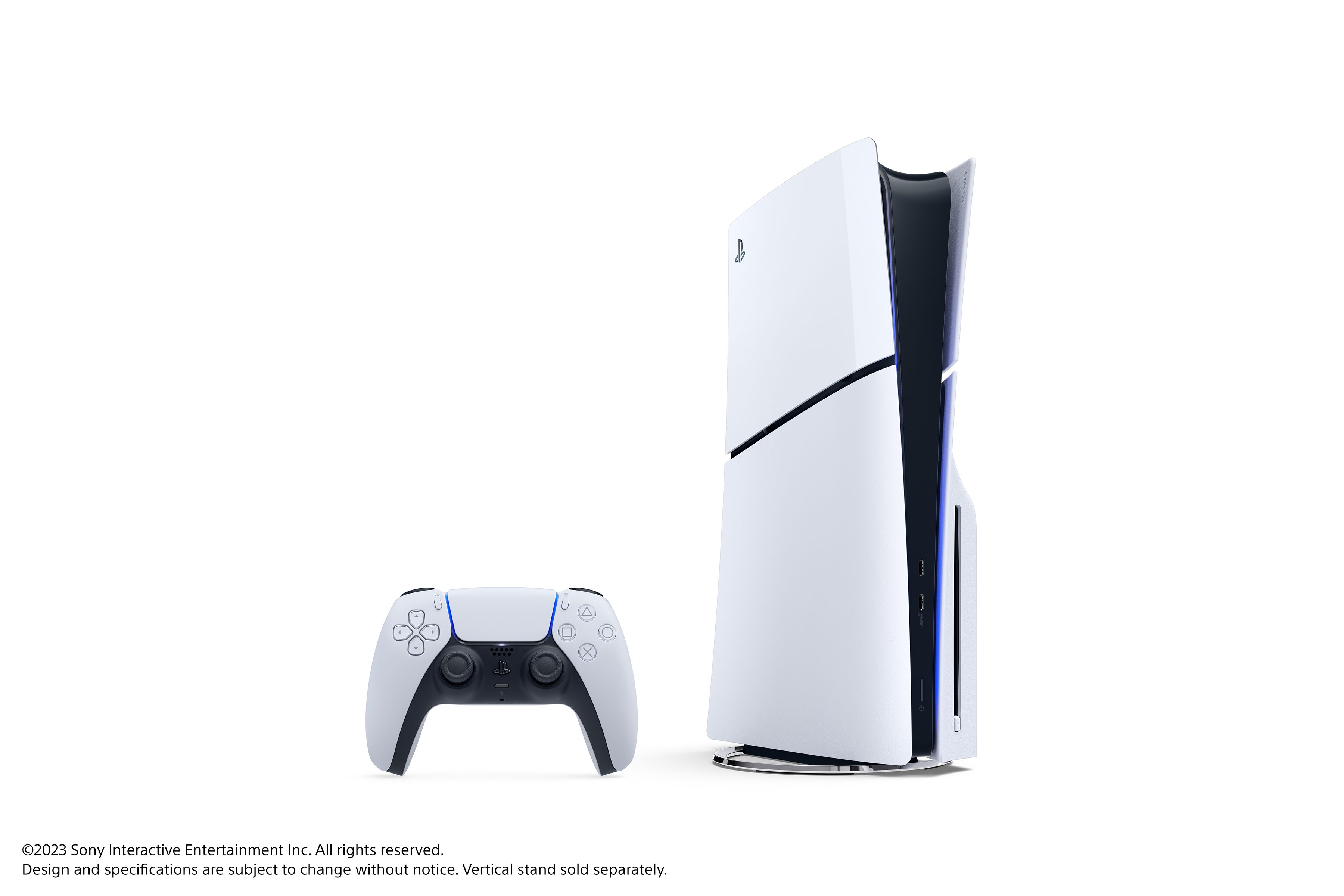
The move comes at a delicate moment for the games division. Sony’s sales table published on November 5 still credits Ghost of Yōtei with 3.3 million PS5 copies sold in 32 days, a figure recorded on November 2, 2025, and keeps Astro Bot at 1.5 million units since 2024. That is old data for games the company presents as pillars of the console, which increases pressure on the new strategy. The contrast with hardware performance is stark: days earlier, the PS5 had passed 100 million units sold, becoming the fourth PlayStation to reach the milestone.
What changes for PC players
For PC audiences, the most immediate consequence is the loss of the alternative path. Anyone who does not plan to buy a PS5 will not, under current plans, get access to the big single-player PlayStation Studios games. Ghost of Yōtei received a Complete Edition on October 1, 2026, with the narrative expansion Echoes of Sekigahara, the Most Wanted survival mode and the Legends co-op mode, but no PC version has been announced.
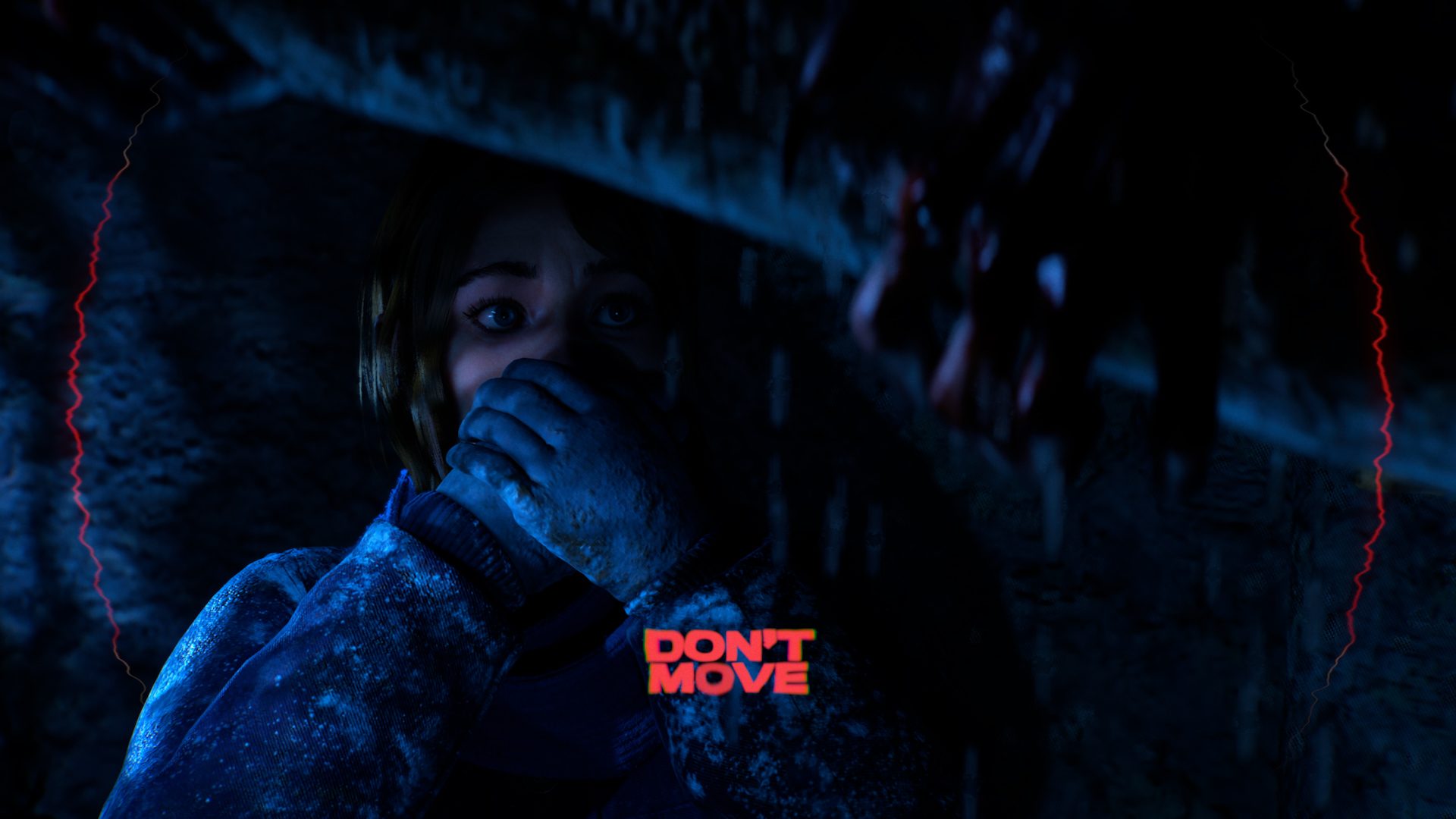
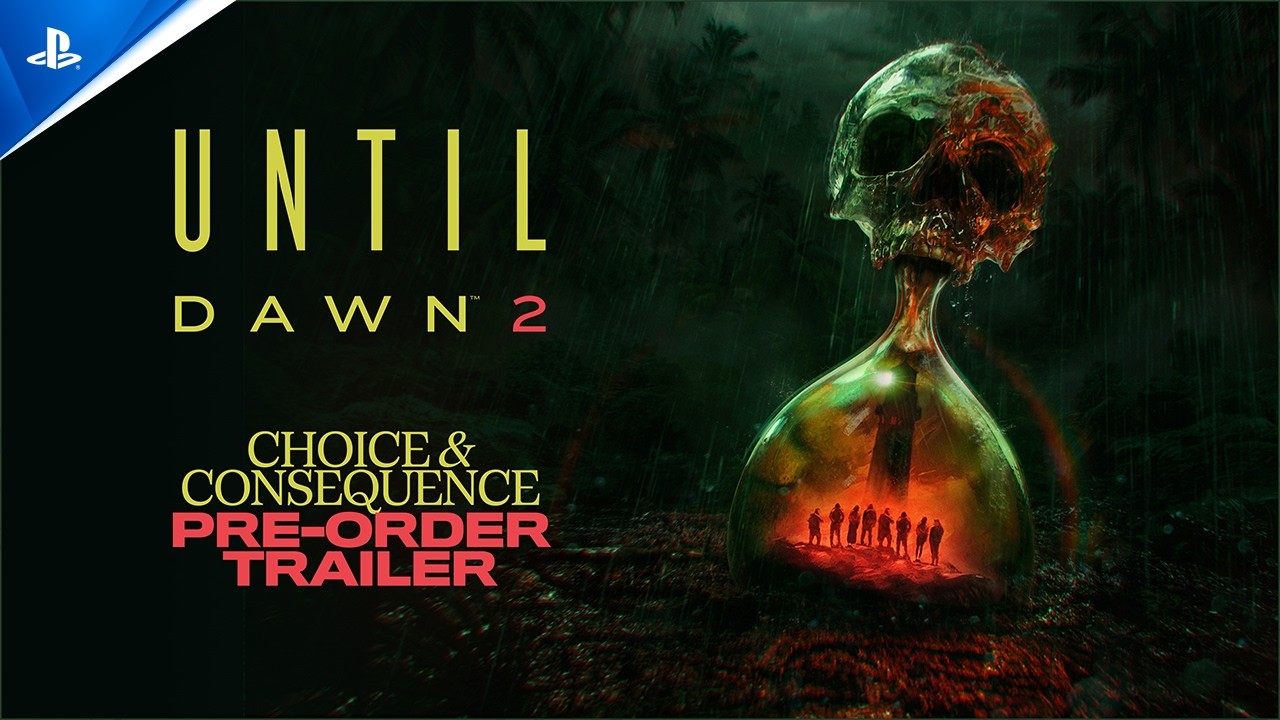
The case of Until Dawn 2 is even more emblematic. The interactive horror game from Firesprite, developed in partnership with AdHoc Studio, is scheduled for January 28, 2027, priced at $49.99 for pre-order and supporting PS5 Pro Enhanced features. The official game page states that it is exclusive to PlayStation 5 consoles, and Sony has not announced any date for a computer version. The official pre-order trailer, published on PlayStation’s channel, sets the tone for the project:
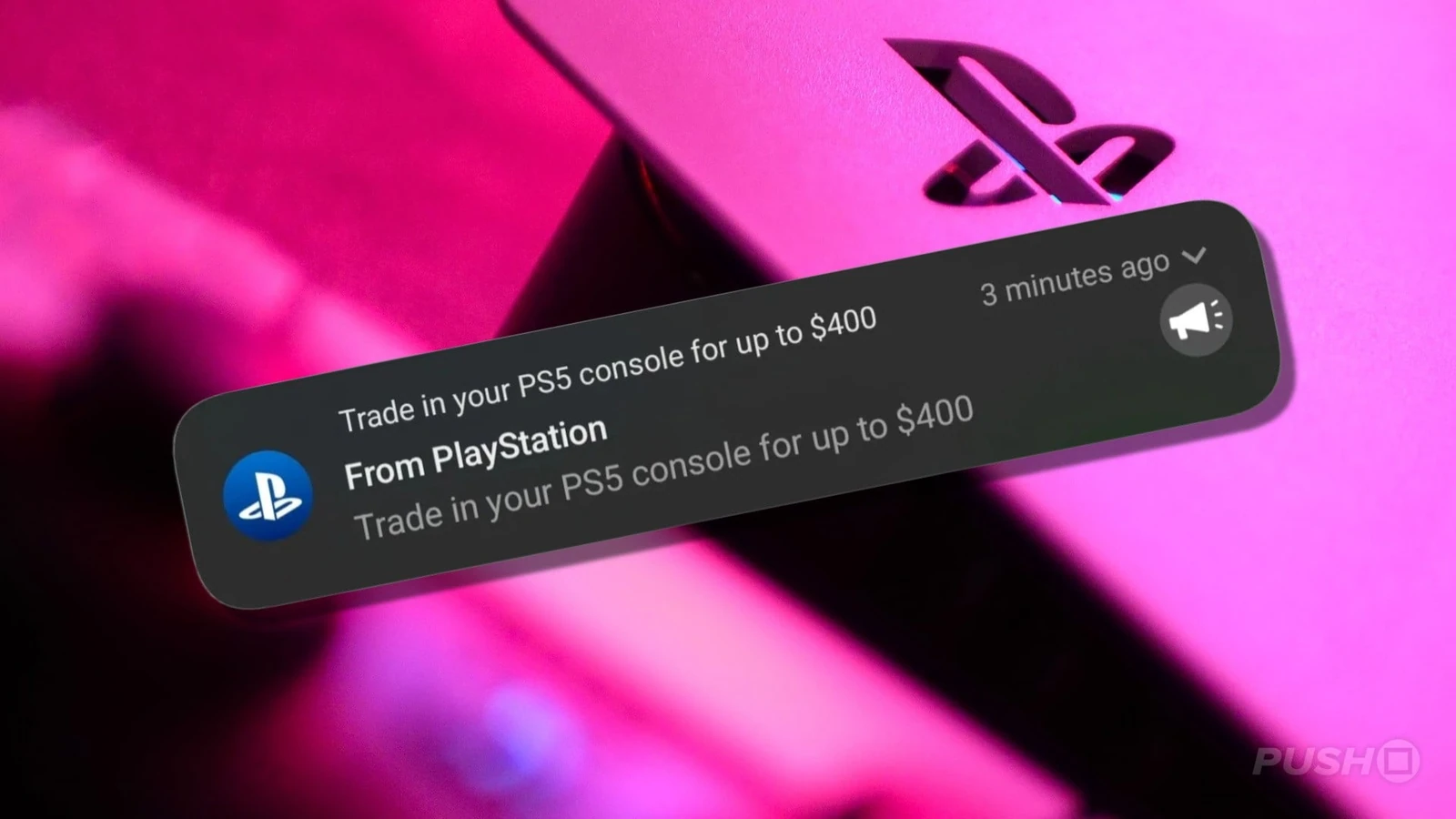
Live-service games, by contrast, follow a different logic. Marvel Tōkon: Fighting Souls launched in August 2026 on PC as well, and Sony has indicated that titles such as Marathon remain multiplatform. The distinction is simple: if a game depends on online matches and a large community, PC is in; if it is a narrative campaign sold as a console experience, it stays out. To grow its installed base, the company has even offered up to $400 for a used PS5 trade-in in the United States — a sign that the fight for new players runs through both price and catalogue.
The criticism from the man who started the strategy
The reversal has not gone unchallenged, even within PlayStation’s own history. Shawn Layden, who chaired Sony Interactive Entertainment Worldwide Studios until 2019 and began the push toward PC, criticised the change in an interview with the PSI podcast, covered by VGC in late June 2026.
“If someone’s waiting 18 months for something to come on PC, we didn’t lose a sale to them. They weren’t going to buy the hardware anyway.”
Layden argues that moving to PC was never primarily about making money from ports, but about raising the visibility of the brands ahead of expansion into film, TV and other media. He also says exclusivity matters for differentiating a platform, as long as it does not become dogma: multiplayer and free-to-play games, he notes, need scale to make the economics work. The criticism does not change Sony’s decision, but it exposes the weak point of the official argument — the idea that ports were hurting console sales, something the former executive considers hard to prove.
The contrast with Shuhei Yoshida, another former head of the studios division, underlines the size of the shift. In 2024, he described PC versions as “almost like printing money.” Less than two years later, the same strategy is treated internally as a misstep.
What to watch next
The first test of the new phase is the badge itself. If it spreads to God of War: Laufey, due in 2027, and to other first-party releases, the message will be consolidated. If it stays limited to two or three titles, the label may be little more than seasonal marketing with no practical consequences for PC.
The second test is commercial. Sony needs to convince players that buying a console is worth it for games that, until recently, appeared on PC. If exclusive sales do not recover, the company may be forced to rethink the strategy again — and its recent track record shows it is not shy about changing its mind. The difference this time is that the change would run the other way, with a possible return of the ports that now seem discarded.
The third test is communication. The asterisk on the “PlayStation Exclusive” badge remains unexplained in public. Until Sony defines what it means, players will keep treating the label as a statement of intent rather than a contractual guarantee. For industry watchers, that ambiguity is the most revealing detail: the company wants the symbolic credit of exclusivity but avoids committing to a promise it has already broken once.
For now, the message is clear. Ghost of Yōtei and Until Dawn 2 are officially PlayStation 5 games. PC, once part of the strategy, is back to being the territory of multiplayer and live-service titles. And the blue badge, small on screen, carries the weight of one of the most visible U-turns of the current console generation. More news and analysis on the industry is available in the games section of O Santuário Geek.
Suggested and related articles
PS5 shipments top 100 million, fourth PlayStation to do it
Sony Offers Up to $400 to Trade In Your PS5 in the US
PlayStation: End of physical media sparks 280K-signature petition as devs warn of 'end of ownership'
42.4% of Steam fans play only on PC, survey finds
Ghost of Yotei hits 5.4M copies and US$ 407 million