Destiny 1 PC remaster teased after fan project breakthrough
Published on · Updated on
Fans get original Destiny running at 4K on PC as Bungie hints at a Legacy initiative to bring the classic shooter to modern hardware where gamers play.
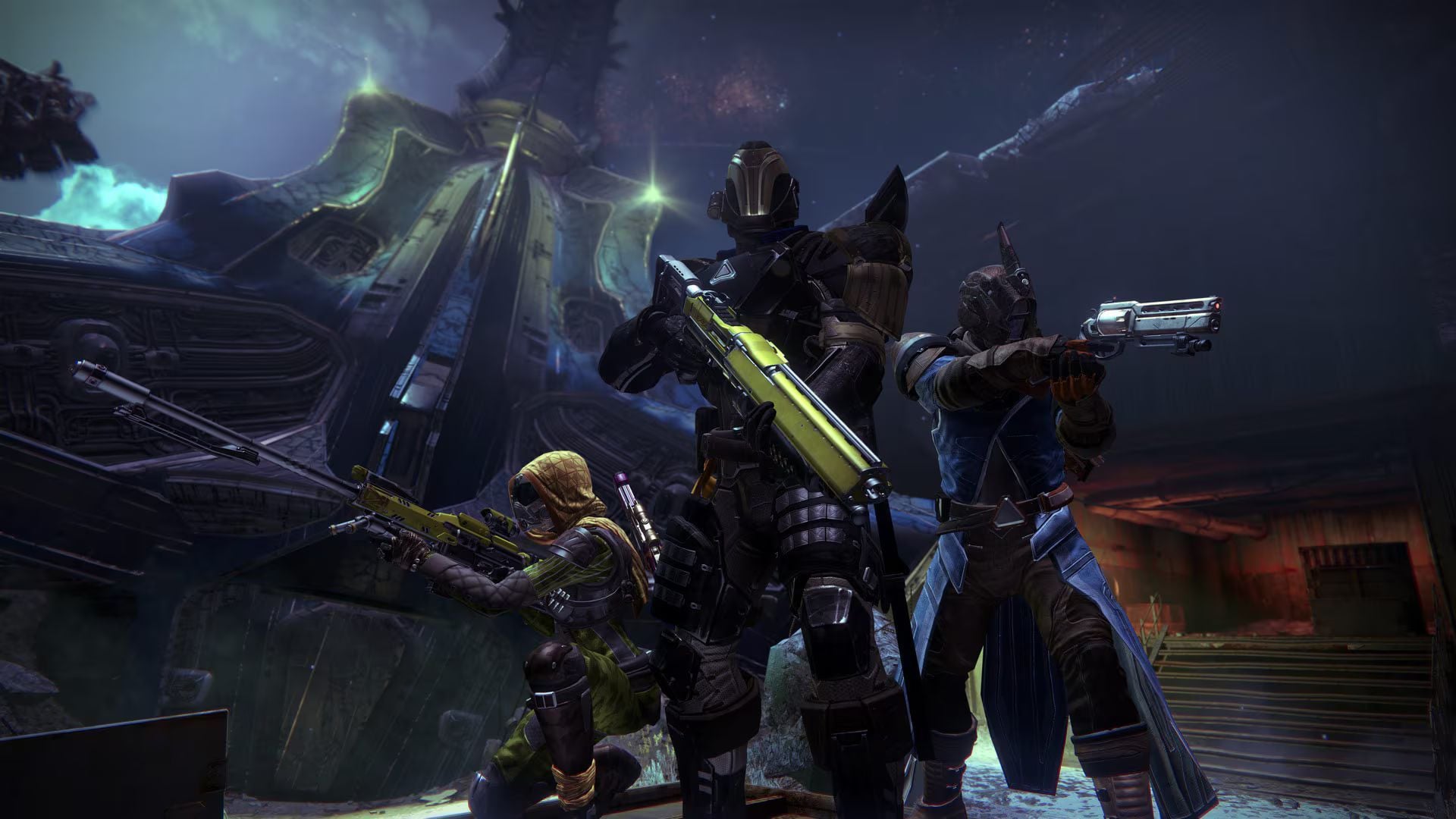
More than twelve years after its initial launch on consoles, Bungie’s genre-defining first-person shooter Destiny has re-entered the global spotlight with growing expectations for an official PC release. First published in September 2014 exclusively for PlayStation 3, PlayStation 4, Xbox 360, and Xbox One, the inaugural entry in the sci-fi franchise remained one of the few seminal modern games never officially ported to Windows. That longstanding status quo began shifting dramatically in late October 2026, spurred by a community breakthrough running the game at 4K on PC and public comments from studio leadership hinting at an overarching Legacy initiative.
Project Golden Age: fan preservation breaks the console barrier
The technical catalyst behind renewed interest in Destiny 1 is Project Golden Age. Developed by independent programmer aknumbers and demonstrated in detail by engineer and content creator Flummoxed, the preservation project achieved what was long considered near-impossible: running the console-exclusive build on PC hardware using the experimental PlayStation 4 emulator shadPS4 alongside custom server response emulation.
Recent technical showcases demonstrated the original game running smoothly in 4K resolution at 60 to 70 frames per second, complete with 105-degree field-of-view support, functional keyboard and mouse input, and working Crucible multiplayer matches. Beyond replicating the 2014 release, the project implemented modern quality-of-life additions such as ledge mantling—a traversal feature that Bungie only introduced officially in Destiny 2.
Because the project functions as a clean-room preservation effort requiring players to supply their own dumped game data rather than redistributing copyrighted assets, it highlighted the technical viability of a modern PC release without infringing on intellectual property. The project’s polish quickly caught the attention of senior Bungie leadership.
Bungie leadership responds as Destiny Legacy initiative takes shape
The community milestone drew public acknowledgement from Bungie’s Head of Product and Marathon General Manager, Josh Deane, who reposted video footage of the PC showcase on social media with a playful yet telling comment:
“Seems like a pretty game, wonder if it will do well…”
What could have been seen merely as casual banter quickly gained institutional weight in Bungie’s subsequent Community Update. Addressing the studio’s long-term franchise roadmap, Deane formally discussed plans under the umbrella of Destiny Legacy alongside the studio’s ongoing celebration efforts and Destiny 2 Content Vault timeline.
Deane emphasized that Bungie’s stance of being “not done with Destiny” directly involves allowing players to experience the entire narrative arc that began in 2014 on the platforms they use today. With the vast majority of active franchise players currently playing on PC, the absence of the original game remains a major gap in the shared-world shooter’s historical catalog.
Destiny 2 Unvaulting roadmap and the release timing
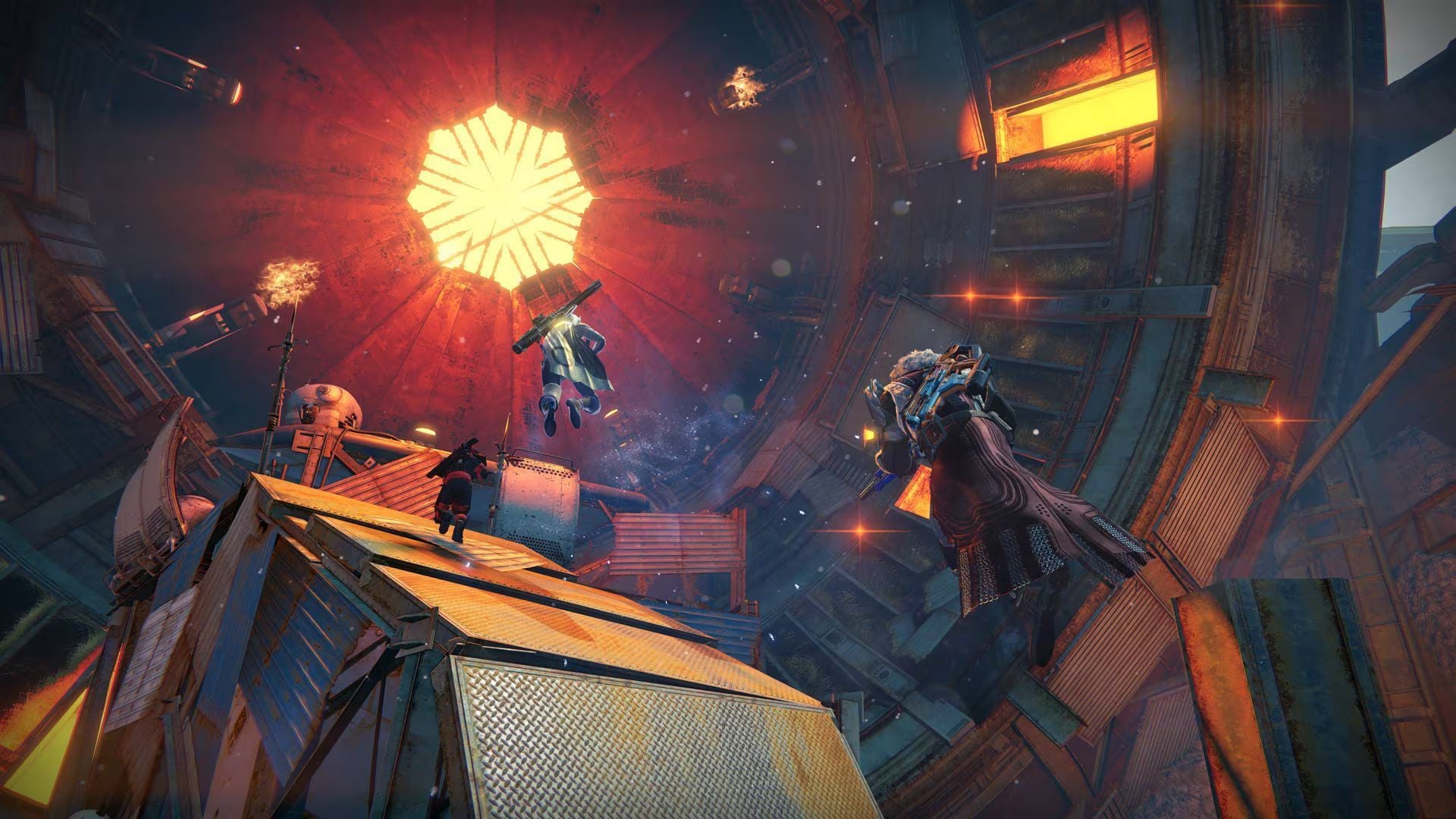
The renewed conversation surrounding a Destiny 1 PC release coincides with a significant pivot in Bungie’s content architecture. Following years of criticism over the Destiny Content Vault, studio leadership outlined a multi-year roadmap to restore vaulted campaigns. Pre-production on unvaulting runs through early 2027, followed by roughly a year of full production targeting an early 2028 release for classics like the Red War, Curse of Osiris, Warmind, and Forsaken.
Within this broader context, bringing Destiny 1 to PC serves as the ultimate historical bridge. While community tools proved that x86 hardware can run the engine smoothly, an official Bungie release would provide official authentication, cross-save integration, secure network infrastructure, and verified matchmaking across platforms.
| Feature | Destiny 1 Consoles (2014) | Project Golden Age (Community) | Potential Official Legacy Release |
|---|---|---|---|
| Target Platforms | PS3, PS4, Xbox 360, Xbox One | PC (via customized shadPS4) | PC (Steam/Epic), PS5, Xbox Series X|S |
| Maximum Resolution | 1080p (Locked 30 FPS) | 4K native (60 to 70+ FPS) | Dynamic/Native 4K (120+ FPS on PC) |
| Field of View (FOV) | Fixed at approx. 72° | Adjustable up to 105° | Full in-game FOV slider |
| Controls & Traversal | Gamepad only, no mantle | Keyboard & mouse with mantle | Modern remapping, mantle, refined HUD |
| Network Architecture | Legacy Bungie servers | Local network packet emulation | Bungie.net with Cross-Play & Cross-Save |
Game preservation and the enduring history of online shooters
The campaign to make Destiny 1 playable on PC reflects broader issues in video game preservation. As an always-online shooter dependent on remote servers, Destiny risked becoming entirely inaccessible as older console hardware fades. The community’s engineering work demonstrates that players are eager to revisit foundational moments like the original Vault of Glass, Crota’s End, and the acclaimed The Taken King expansion.
“Letting players experience the entire journey that started over a decade ago on the platform that they play now is central to our long-term vision for the franchise.”
What players can expect next
While Bungie has not yet opened formal pre-orders or announced an official release window, the stars have aligned more favorably than ever for Destiny 1 on PC. With community developers demonstrating technical feasibility and studio leadership engaging directly with the concept, the original journey to become legend appears closer than ever to modern rigs.
Readers can follow ongoing coverage and updates in the Games section and stay informed on broader industry developments through our gaming news hub on O Santuário Geek.
Based on reporting from Sportskeeda, official Bungie Community Updates, and technical documentation from the Project Golden Age preservation team.
Suggested and related articles
Diablo 4: how to farm Meat or Treat Halloween event
Modern Warfare 4 Adds Non-MilSim Tag to Halloween Playlist

Roblox The Hollow: Warden Quest Walkthrough and Rewards
Crimson Desert: How to Build a Ship in the New DLC

Roblox The Hollow: Scary Shawarma Kiosk quest guide