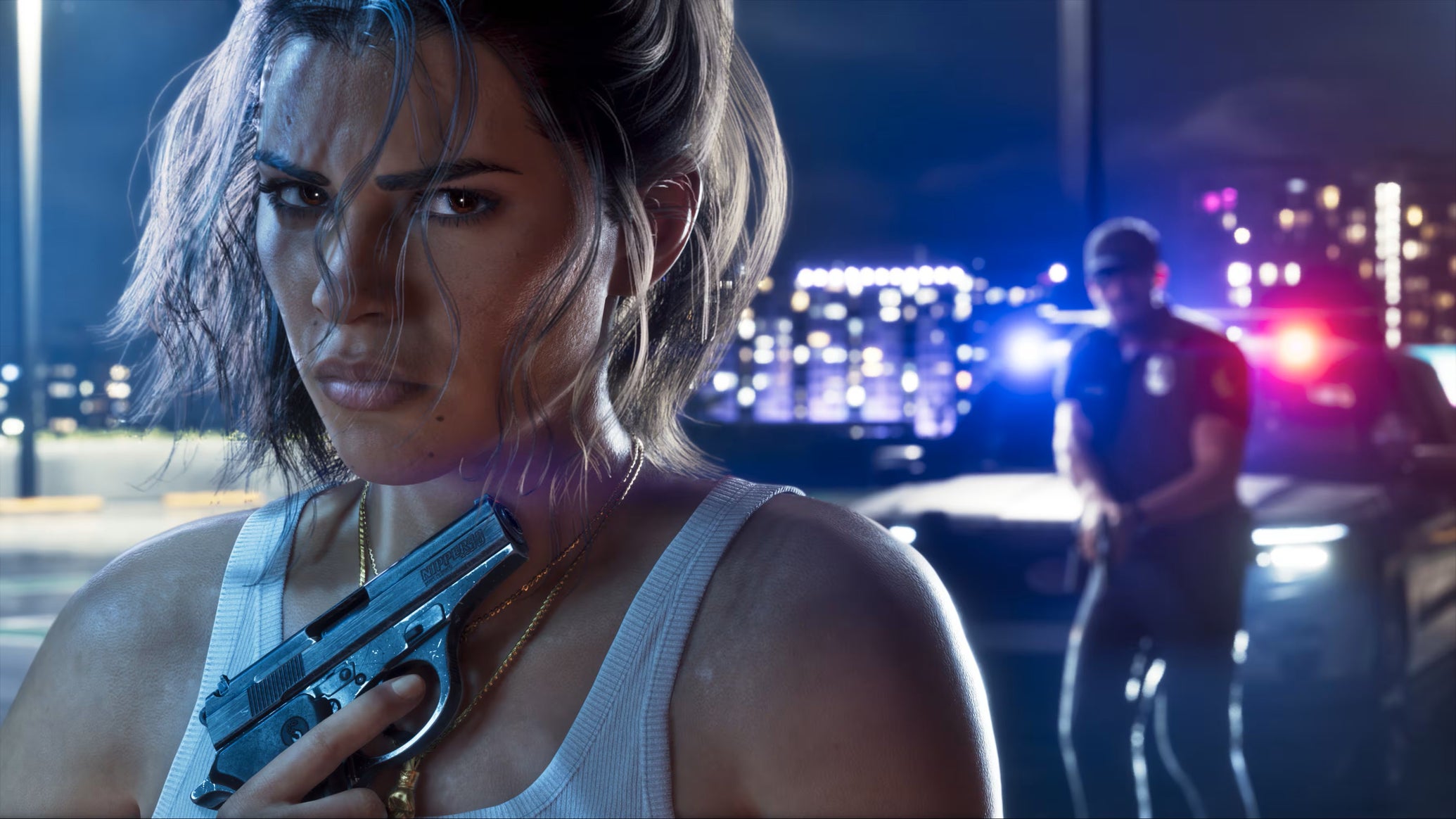
GTA 6 on PS5 Pro vs Series S: what really changes
Published on · Updated on
A graphics comparison measures resolution, frame rate and image quality in GTA 6 on PS5 Pro and Xbox Series S; see what changes and what the extra money buys.
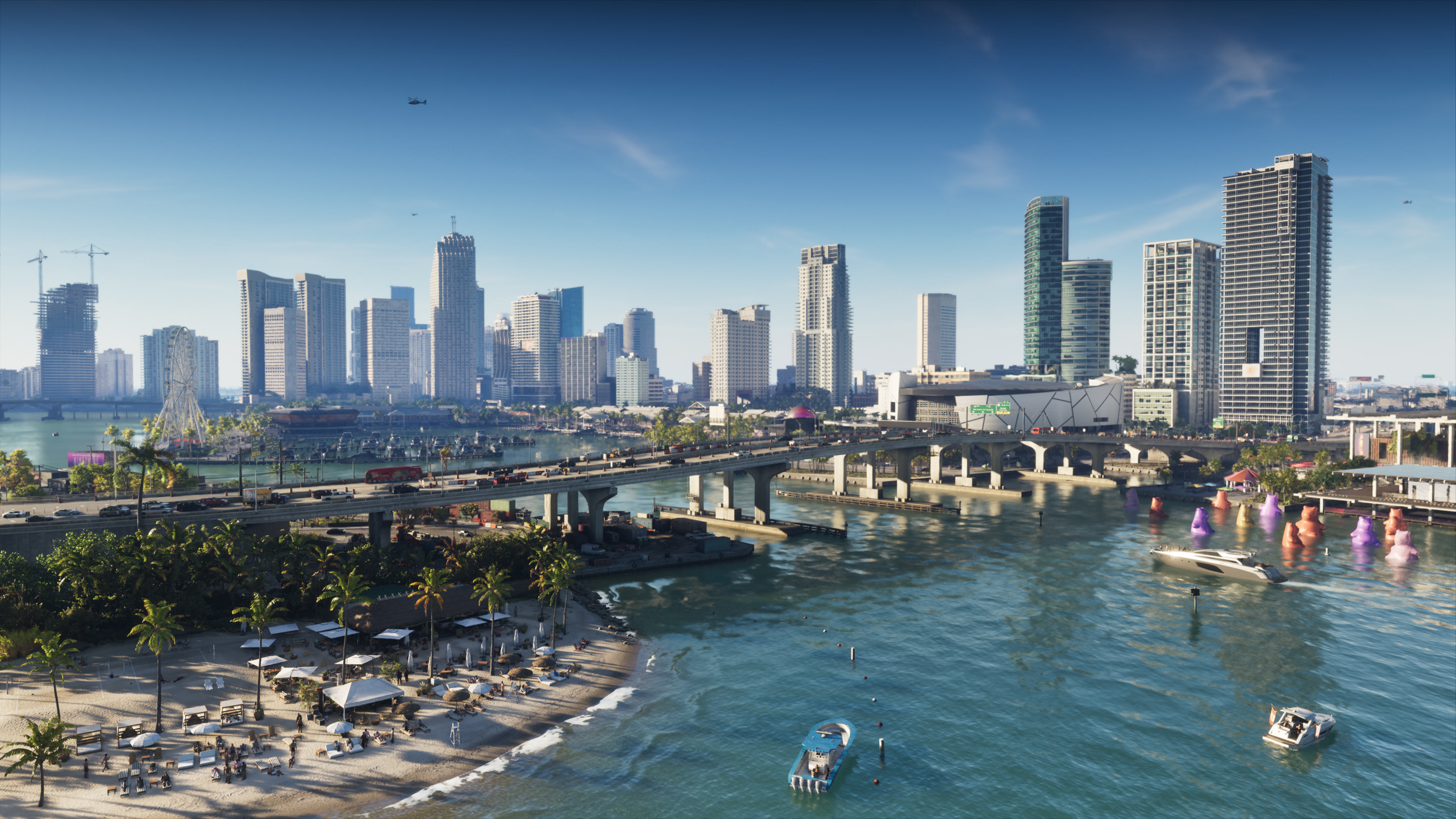
The most direct GTA 6 comparison puts the two extremes of console hardware side by side: the PS5 Pro, Sony's most powerful model, and the Xbox Series S, the cheapest entry point into Leonida. The video published by IGN on November 18, 2026, on the eve of launch, shows that the gap between them is smaller than the price suggests in some moments — and wider in others. Digital Foundry's technical analysis, released the same day, confirms the pattern: every console targets 30 frames per second, none offers a 60fps mode, and what separates the versions is internal resolution, the upscaler and lighting effects.
The game reached stores on November 19, 2026, with a staggered rollout by time zone, for PS5, PS5 Pro, Xbox Series X and Xbox Series S. No PC version has been announced. The question the comparison tries to answer is practical: what do you lose by choosing the Series S on a tight budget, and what do you get for paying for the Pro?
What exactly was compared
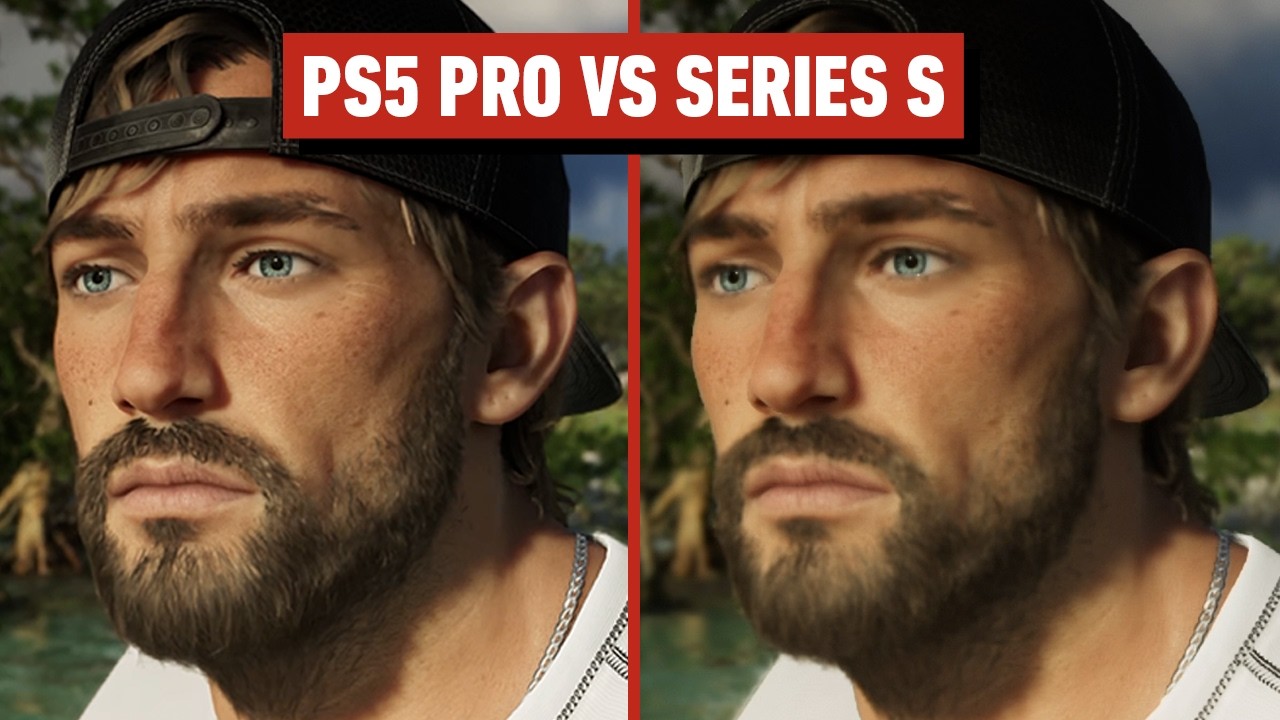
IGN's video runs just under nine minutes and is not a lab benchmark: it is a reading of gameplay captured on both machines, focused on three points — image sharpness in motion, frame-rate stability and how lighting behaves. Reporter Jacqueline Thomas, who wrote the companion article on IGN's website, played the first 30 minutes on all four platforms and described what she felt on each one.
Digital Foundry did the complementary work, with frame counting and resolution readouts. The two investigations agree on almost everything, which makes the overall picture more reliable. The caveat matters: the measurements cover the prologue and the start of the first chapter, not the heavier chases later in the game, when traffic and pedestrian simulation tends to punish the CPU. The full numbers are in Digital Foundry's technical analysis and in IGN's article on the Series S version.
Resolution: 720p against 1440p, and what the upscaler does with it
The most concrete difference is internal resolution. According to the technical details Rockstar shared with specialist press, PS5, PS5 Pro and Xbox Series X render the game at 1440p, with 4K output. The Series S sits at 720p, with 1080p output. That is a fourfold difference in pixel count before reconstruction.
The path to the screen, however, is not the same. On PS5 and Series X, Rockstar uses its own temporal anti-aliasing (TAA) to reach 4K, a simpler process that leaves the image softer. On PS5 Pro, PSSR takes over, Sony's AI-driven upscaler, which rebuilds detail and delivers what Digital Foundry describes as "4K-like" quality. On Series S, the bet is AMD FSR 4.1 — according to Digital Foundry, the first Xbox game to ship with the upscaler in its final version.
| Platform | Internal resolution | Upscaling | Output |
|---|---|---|---|
| Xbox Series S | 720p | AMD FSR 4.1 | 1080p |
| PS5 | 1440p | Rockstar TAA | 4K |
| Xbox Series X | 1440p | Rockstar TAA | 4K |
| PS5 Pro | 1440p | PSSR | 4K |
In practice, the bill shows up on the edges. In still images, the Series S version is surprising: character models stay detailed, and ray-traced global illumination was kept even on the weaker console. In motion, aliasing becomes more visible on the diagonals of fences, railings and rooftops, precisely where the upscaler has less information to rebuild. It is the kind of difference that disappears on a small TV and jumps out on a large panel.
Frame rate: the Series S is the only one that slips off target
Every console targets 30fps, and none has a menu to change that. The difference lies in consistency. According to Jacqueline Thomas's measurements for IGN, the Series S stays "pretty steady" at 30fps in the prologue but drops to 24fps at specific moments. There is also a noticeable jitter when turning the camera, with dips to 27 or 28fps that make movement feel like it is "dragging".
On PS5 and Series X, the rate stays essentially locked at 30fps, with occasional dips between 27 and 29fps. On PS5 Pro, the reporter recorded no drops during the tested period. Digital Foundry is harsher on the Series S: it describes consistent drops into the mid-20s across large portions of the game and scenarios where vehicle destruction pushes the rate close to 20fps.
"The Series S is the odd one out here, with an internal resolution of 720p, temporally upscaled to approximately 1080p using FSR 4. From what we understand, this is the first shipping game on Series consoles to use the new upscaler."
It helps to understand where the limit comes from. At 30fps, each frame has about 33 milliseconds to be ready. Simulating a city with traffic, pedestrians and physics consumes CPU, and the Series S has the most modest processor of the generation. The upscaler relieves the GPU, not the CPU — which is why the lower resolution does not translate into fluidity.

Ray-traced shadows: what only the PS5 Pro has
The PS5 Pro's most visible advantage is not frame rate but lighting. Rockstar confirmed that ray-traced shadows are exclusive to the premium model. On the other consoles, the game keeps ray-traced global illumination and reflections, but shadows follow the traditional method, with less precise edges and without the natural blur that occurs when the light source is large.
In nighttime scenes, the effect changes the reading of depth: streetlights, neon signs and headlights cast shadows that widen as they move away from the object casting them, as in the real world. Digital Foundry describes the overall package as a noticeable visual upgrade, carried precisely by ray-traced shadows. On the Series S, the lack of that feature is offset by global illumination, which remains in place and is responsible for much of the game's visual impact on the entry console.
Why there is no 60fps mode
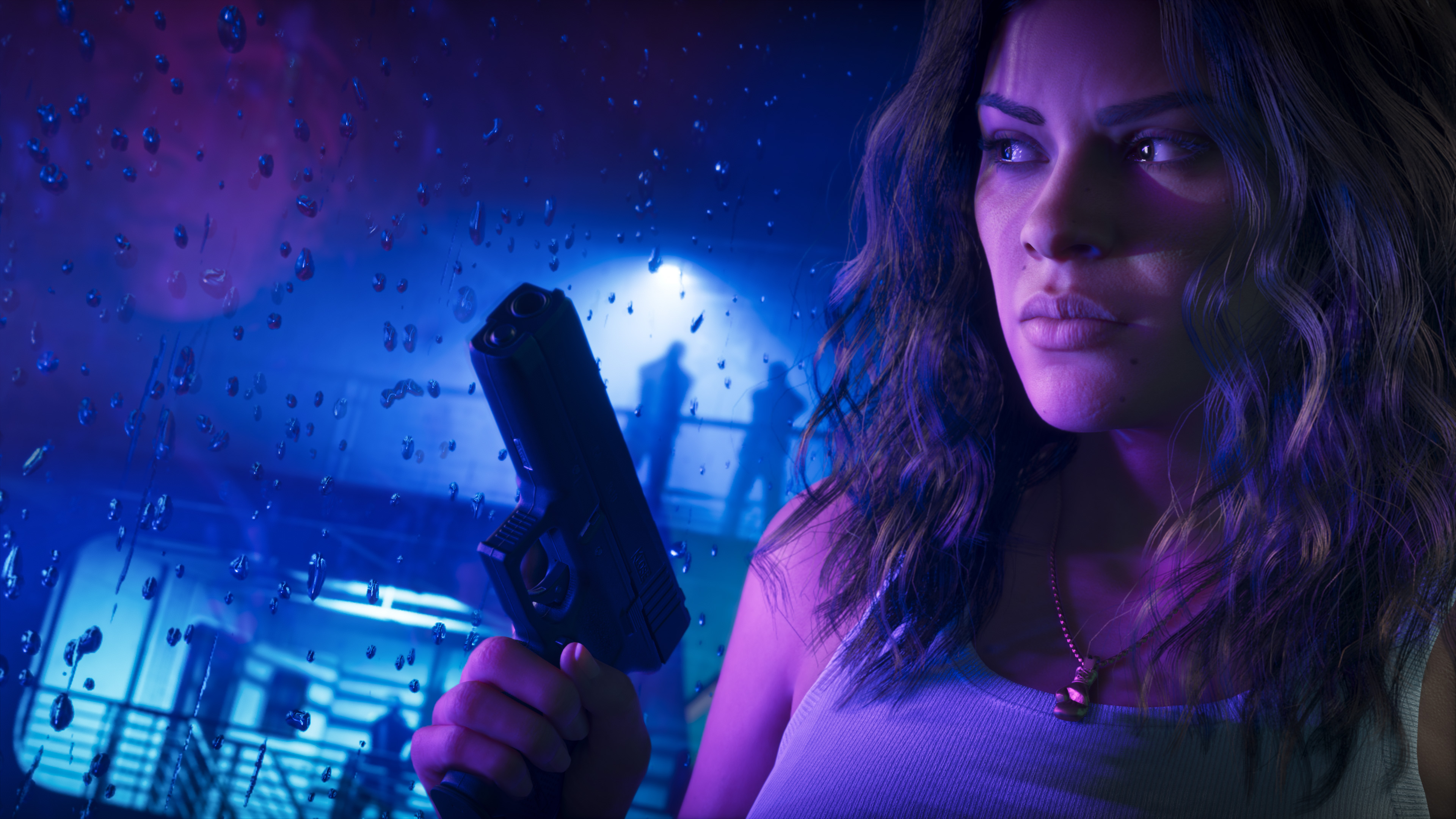
The question returned with force at launch, and the answer came from the studio itself. Rockstar had already detailed the 30fps target on the official Newswire on November 10, when pre-loading began. In an interview with IGN, Rockstar's head of development, Rob Nelson, was direct about what doubling the frame rate would require:
"Too much, too much. It wouldn't have been acceptable to anybody. The simple answer is, when you ask the technical team, they're, like, 'Have you seen it?' There's too many compromises that would've had to have been made to do that."
Marc Chambers, Rockstar's technology production director, repeated the logic in another conversation with the press: the PS5 Pro is not powerful enough to run the game's complex simulation at higher frame rates. The bottleneck is the CPU, not the GPU — and the Pro shares the same processor architecture as the PS5, with only a clock adjustment. Readers who have followed the topic since before launch can find the context in our explainer on the 30fps target and the performance mode.
Price: what each dollar buys
Here the comparison stops being about pixels and becomes about your bank account. In Brazil, the PS5 Pro carries a suggested price of R$ 7,499.90. The 512GB Xbox Series S appears in national retail between R$ 3,300 and R$ 3,600, according to recent price surveys. In other words: the Pro costs more than double, and the difference is worth about nine copies of the game, sold from R$ 449.90.
IGN did that math in its own analysis: for someone without a console, buying a PS5 Pro costs "basically double" the Series S, and what you gain in return is better shadows and fewer frame drops. The reporter was explicit that she is not sure it is worth paying that much for it — an editorial position, not a technical measurement.
- Series S: 720p upscaled to 1080p, 30fps with more frequent drops, no ray-traced shadows.
- PS5 Pro: 1440p reconstructed to 4K with PSSR, stable 30fps, ray-traced shadows.
- Price gap in Brazil: roughly R$ 3,900 to R$ 4,200 between the two options.
One factor the comparison does not measure and that matters in practice: the TV. The sharpness gain from PSSR and the effect of ray-traced shadows show up better on large panels with HDR and a good refresh rate. On an entry-level TV, the distance between the two versions shrinks.
Which one to pick, without crowning a winner
There is no single answer, and IGN's own material avoids a blunt verdict. The PS5 Pro delivers the best image and the greatest stability — it is the version Digital Foundry recommends for those who can afford it. The Series S, in turn, remains a legitimate way to play the same game, with the same content and the same campaign, at a much lower cost.
What the comparison dismantles is the idea that the difference would be dramatic at every moment. Most of the time, both consoles run at 30fps and the experience is similar. The gap appears in dense scenes, in camera turns and in images with many diagonals — situations where the Series S shows its limitations and the Pro justifies part of its price.
Anyone who already owns a Series S does not need to change consoles to play GTA 6. Anyone buying now, with a suitable TV and room in the budget, will find the best technical version on the Pro. Anyone playing on a small monitor and prioritizing cost has a rational choice in the Series S. Launch frame drops, by the way, have a story of their own: we gathered the reports of bugs and FPS drops in the first hours, with what Rockstar has confirmed so far.
What can still change
Neither version is expected to receive a 60fps mode in the short term. Rockstar has not announced a performance patch, and the studio's technical explanation practically closes that door on current consoles. What can change is perception: updates usually fix specific fluidity issues, and Digital Foundry has already signaled that the game's heaviest areas have not yet been measured in depth.
There is also no date for the PC version, which is where the frame-rate discussion truly gets resolved, with graphics options and variable hardware. Until then, the PS5 Pro vs Series S comparison serves as an honest portrait of what this generation can deliver: an enormous, visually ambitious game locked at 30fps, with real image differences that only weigh on your wallet and on the size of your screen.
To follow the next technical analyses and game updates, keep up with GTA 6 coverage at O Santuário Geek.
Suggested and related articles
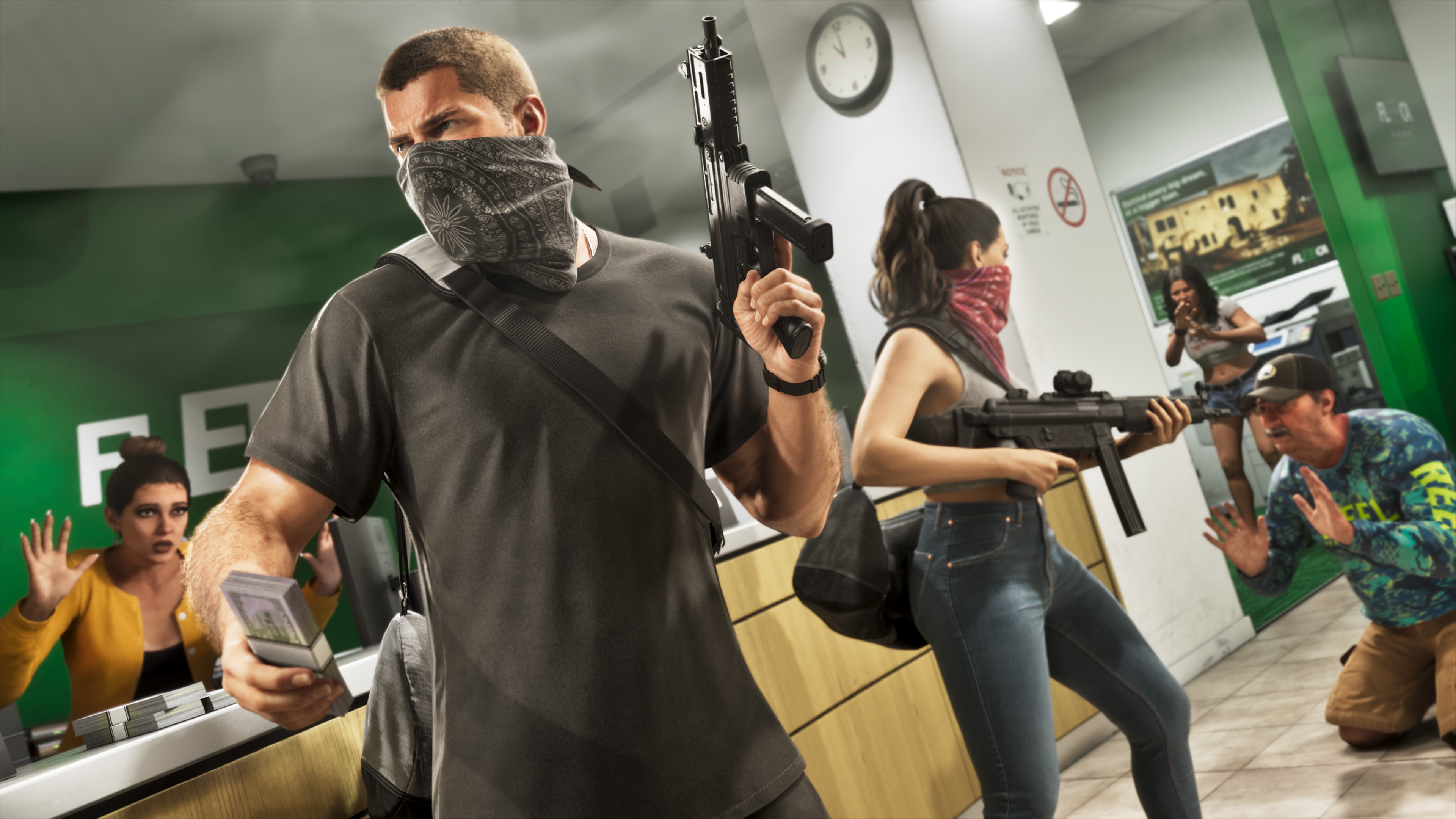
GTA 6 launch: real bugs, FPS drops and what to know

GTA 6: how long to 100% and earn the Platinum?
GTA 6 launches November 19 on PS5 and Xbox Series

Xbox's fake doctor's note for GTA 6: how it works
GTA 6 on PS5: checklist to play at midnight on November 19