Toyz deported from Taiwan after serving drug sentence
Published on · Updated on
Former League of Legends world champion Toyz leaves a Taiwan prison, is escorted onto a flight by immigration officers and is barred from returning.
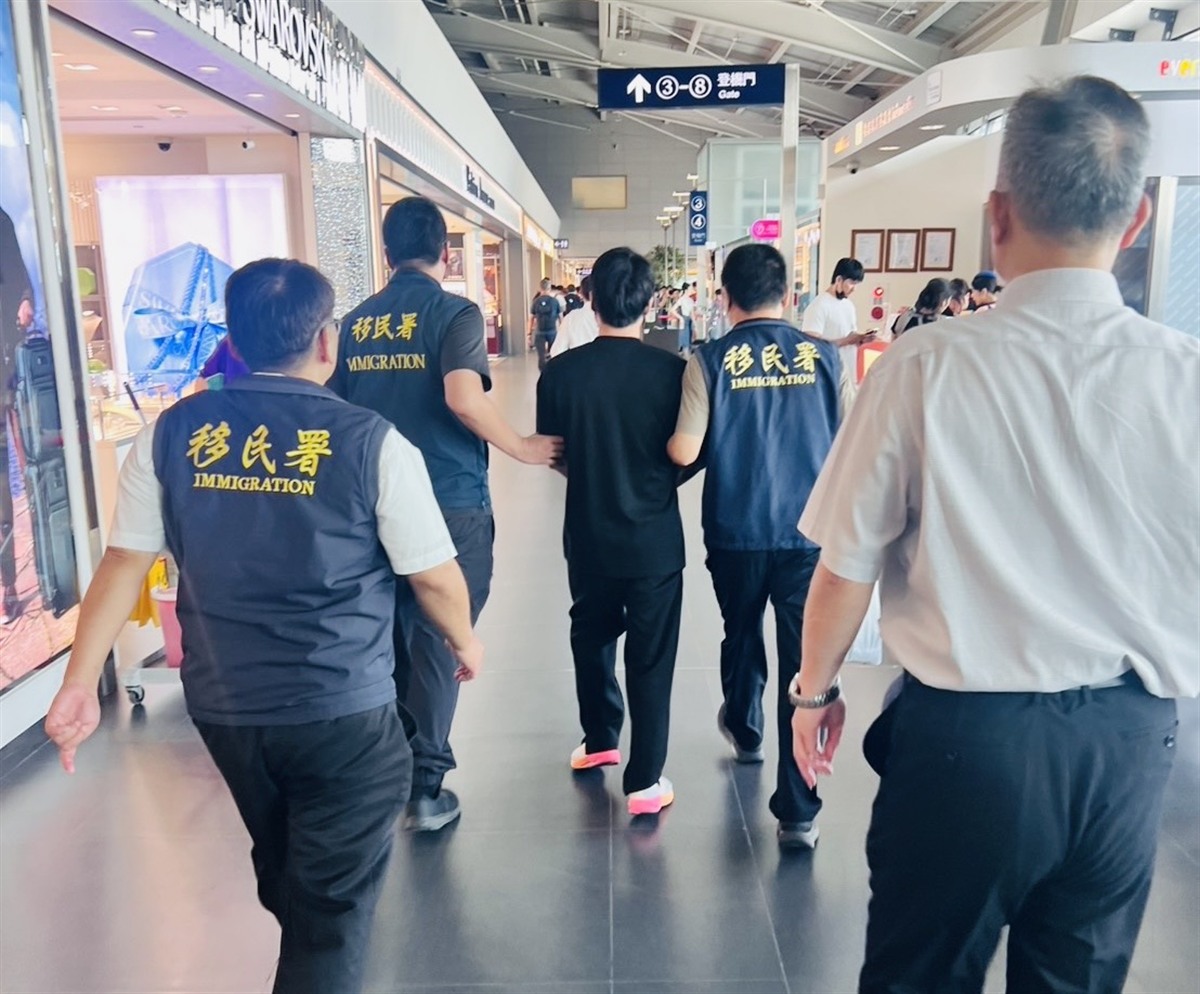
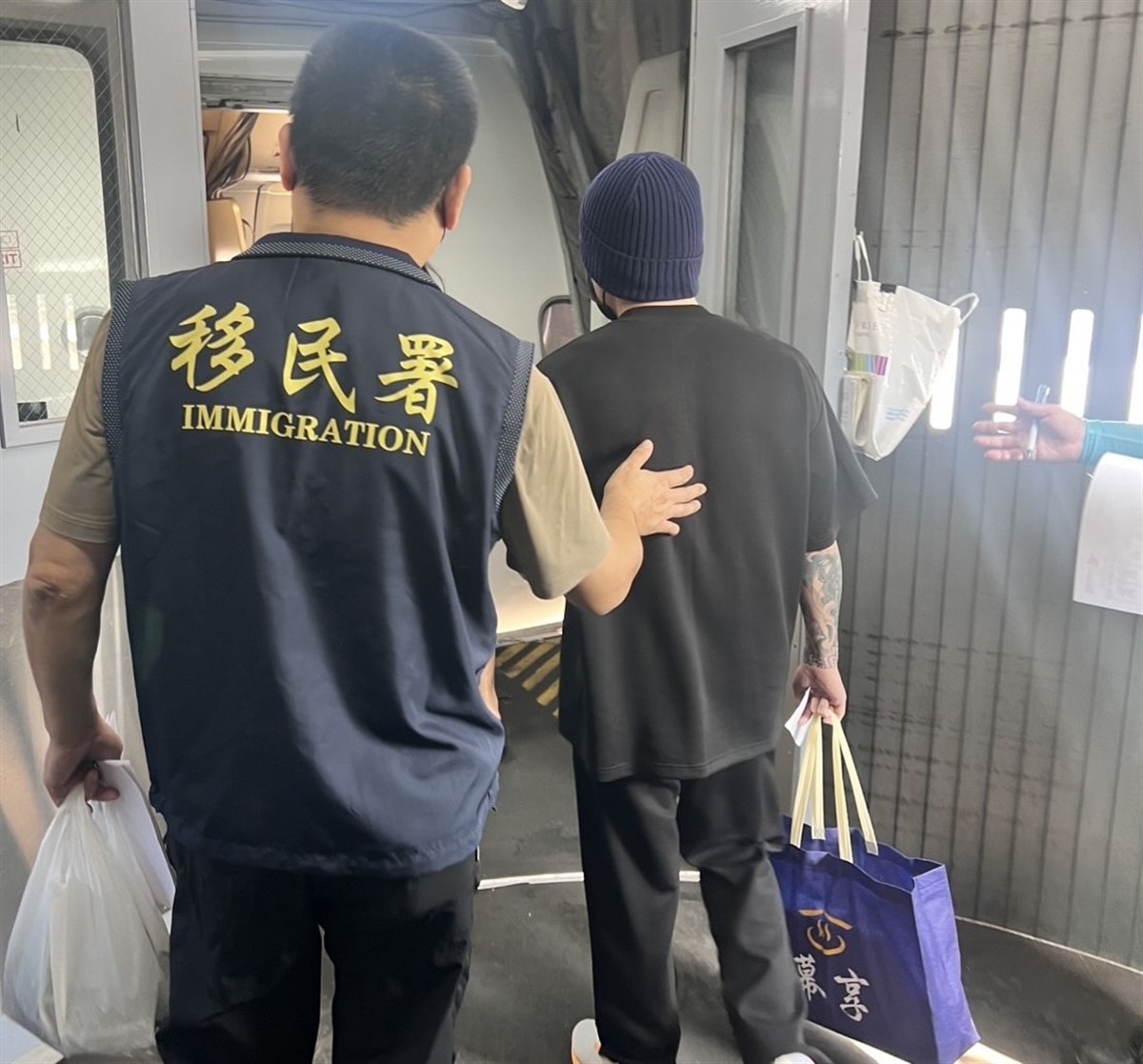
Former professional League of Legends player and content creator Kurtis Lau Wai-kin, known as Toyz, was deported from Taiwan on Tuesday afternoon (3), hours after leaving Changhua Prison, where he was serving a four-year, two-month sentence for selling cannabis vape cartridges. The 34-year-old Hongkonger was taken out of the facility by officers of the National Immigration Agency (NIA) in the morning, escorted onto an outbound flight in the afternoon and barred from returning to the island for a period not yet disclosed, according to the official statement released by the Taiwanese government.
The operation closes one of the most closely followed cases in Asia's gaming community. The player who led the Taiwanese side Taipei Assassins to the Season 2 world title in Los Angeles in 2012 left the prison system after more than two years behind bars and, instead of serving supervised probation on Taiwanese soil, was expelled from the country by order of prosecutors.
From Changhua Prison to the departing flight
Toyz's release on parole was approved on October 19 by the Agency of Corrections, a body linked to Taiwan's Ministry of Justice. The following day, the Taichung High Court granted his release under protective supervision — a form of supervised liberty in which the convict would normally have to report to authorities on a regular basis. Prosecutors, however, replaced the measure with compulsory expulsion, a prerogative Taiwanese law reserves for Hong Kong and Macau residents deemed a risk to public order.
On the morning of November 3, the Changhua County Immigration Brigade arrived at the prison at 8 am to formalise the handover of the inmate in custody. Officers then drove him to the airport, where the forced boarding was carried out in the early afternoon. The agency also confirmed an entry ban, which prevents Toyz from returning to Taiwanese territory for a set period.
"If, in the future, the man in question wishes to apply to reside in Taiwan on the basis of a family tie with a spouse holding household registration in the Taiwan area, the National Immigration Agency will examine the application rigorously, in accordance with the Regulations Governing Permission of Entry and Residence in the Taiwan Area for Hong Kong and Macau Residents."
The statement also struck an institutional tone, framing the operation as part of the country's immigration enforcement effort.
"Taiwan welcomes friends from around the world to visit and interact, but they must comply with the country's laws and regulations and may not engage in work or activities inconsistent with the purpose of their entry permit."

The 2012 champion who became one of streaming's biggest voices
The career that turned Toyz into one of the most recognisable figures in the Asian scene began in the mid lane of Taipei Assassins, a team founded in March 2012. On October 13 that year, the Taiwanese lineup beat South Korea's Azubu Frost 3-1 in the World Championship grand final in Los Angeles and took home the US$1 million prize — the first world title won by a team from the Asian region in the game.
Competitive success was short-lived. In 2013, aged 21, Toyz left top-level play because of carpal tunnel syndrome, an injury common among esports athletes. He went on to coach European side Fnatic at the 2014 World Championship, returned to competition in 2015 as captain of Hong Kong Esports and then moved permanently to YouTube, where he built an audience of around 837,000 subscribers with blunt commentary, restaurant reviews and game streams.
It was precisely that second career that widened the reach of the court case. When the arrest became public in 2021, the story dominated social media in the country that had crowned him a gaming idol. The game that made his name remains at the centre of the community's attention: in 2026, Riot Games confirmed a brand-new client for League of Legends, while the competitive calendar keeps producing stories of its own, such as KT Rolster's unbeaten run to the 2025 World Championship quarterfinals.
What the court established about the sales scheme
According to the indictment filed by Taichung prosecutors, Toyz put together a group with two acquaintances in November 2020 to buy and resell THC cartridges — the main psychoactive compound in cannabis — in vape form. In December that year the group acquired 500 units for NT$600,000, roughly NT$1,200 per cartridge, and began distributing them through dealers who advertised the product on Telegram for between NT$4,500 and NT$7,000 each, splitting 25% to 50% of the proceeds among members.
The investigation began in August 2021, when the Criminal Investigation Division of the Changhua police used an undercover buyer to negotiate 154 cartridges for NT$165,000. The handover was intercepted in Taichung and the payment trail led investigators to Toyz, who was arrested on September 28 that year. He spent two months in pre-trial detention, cooperated with the inquiry and was released on NT$1.5 million bail; a hair test came back positive for the substance and led to a period of observation and treatment that ended in January 2022.
| Date | Event |
|---|---|
| November 2020 | Toyz and two acquaintances arrange the purchase and resale of THC cartridges |
| December 2020 | Purchase of 500 cartridges for NT$600,000 |
| August 9, 2021 | Changhua police seize 154 cartridges in Taichung |
| September 28, 2021 | Toyz is arrested and remanded in pre-trial detention |
| January 26, 2022 | Prosecutors charge eight people with drug trafficking |
| November 24, 2022 | First-instance court hands down 4 years and 2 months on six counts |
| April 2024 | Supreme Court rejects the final appeal and the sentence becomes final |
| May 16, 2024 | He enters Changhua Prison |
| October 19-20, 2026 | Parole approved and release under protective supervision granted by the courts |
| November 3, 2026 | Deportation carried out with an escort to the airport |
In its first-instance ruling, the Taichung District Court stressed that, as a public figure with thousands of young fans, his conduct should set an example. The four-year, two-month term resulted from the combined sentences for six trafficking convictions, two of them attempted, reduced under the law for his confession and for helping identify the suppliers.
On appeal, the defence submitted more than 30 certificates of participation in charity work in an attempt to obtain a suspended sentence. The Taichung High Court refused, finding that the volume traded and his direct involvement in distribution ruled out the benefit. The Supreme Court upheld the decision in April 2024 and he began serving the sentence the following month.
The prison marriage did not prevent expulsion
In January 2026, while in custody, Toyz registered a marriage with Taiwanese entertainer Hsyan Hsiaochi. The news fed fans' hopes that the union might secure his stay in the country after release. The bet did not pay off: immigration carried out the expulsion order and reiterated that any future residence application based on a family tie would be assessed individually, with no guarantee of approval.
The episode also highlights a rule the public rarely notices: in Taiwan, the expulsion of a Hong Kong or Macau resident with a criminal conviction can be ordered by administrative decision of the immigration service, including in place of supervised-release measures. In practice, time served does not guarantee the right to stay — it only opens the way out, which can be immediate.
What happens now
With the deportation, Toyz is barred from entering Taiwan for a set period. Any return will depend on a residence permit based on a family tie, assessed case by case by immigration — a route the NIA itself described as possible but not automatic. In practice, the creator goes back to Hong Kong after more than a decade building a career in Taiwan, the place where he won the world title, became a streamer and, ultimately, was convicted.
For the esports community, the outcome closes a story that began with the most unlikely title in the game's history in Asia and ended with images of a masked man escorted by federal officers down an airport corridor. The case is likely to keep fuelling debate about how federations and clubs handle the judicial record of former athletes — and about the price, in reputation and liberty, of a second career built on fame earned in the first.
Coverage of the competitive scene and the World Championship continues in the Esports section of O Santuário Geek, which also follows the game's changes under Games.
With information from Taiwan's National Immigration Agency, the Central News Agency (CNA) and The Standard (Hong Kong).
Suggested and related articles
Hans Sama hails Perkz on the eve of Worlds 2026

Riot delays private LoL replays to patch 26.21
Sheep: Fluxo W7M Eyes Guigo and CarioK for 2027

Sudden Attack Championship S2 main stage opens Saturday

E7WC 2026: Epic Seven knockout stage starts Saturday