What is the Nedbank Mastercard Summoner Tournament?
Published on · Updated on
Open League of Legends tournament brings together South African amateur teams for R100,000 in prizes and a live final at rAge Nation in Johannesburg.
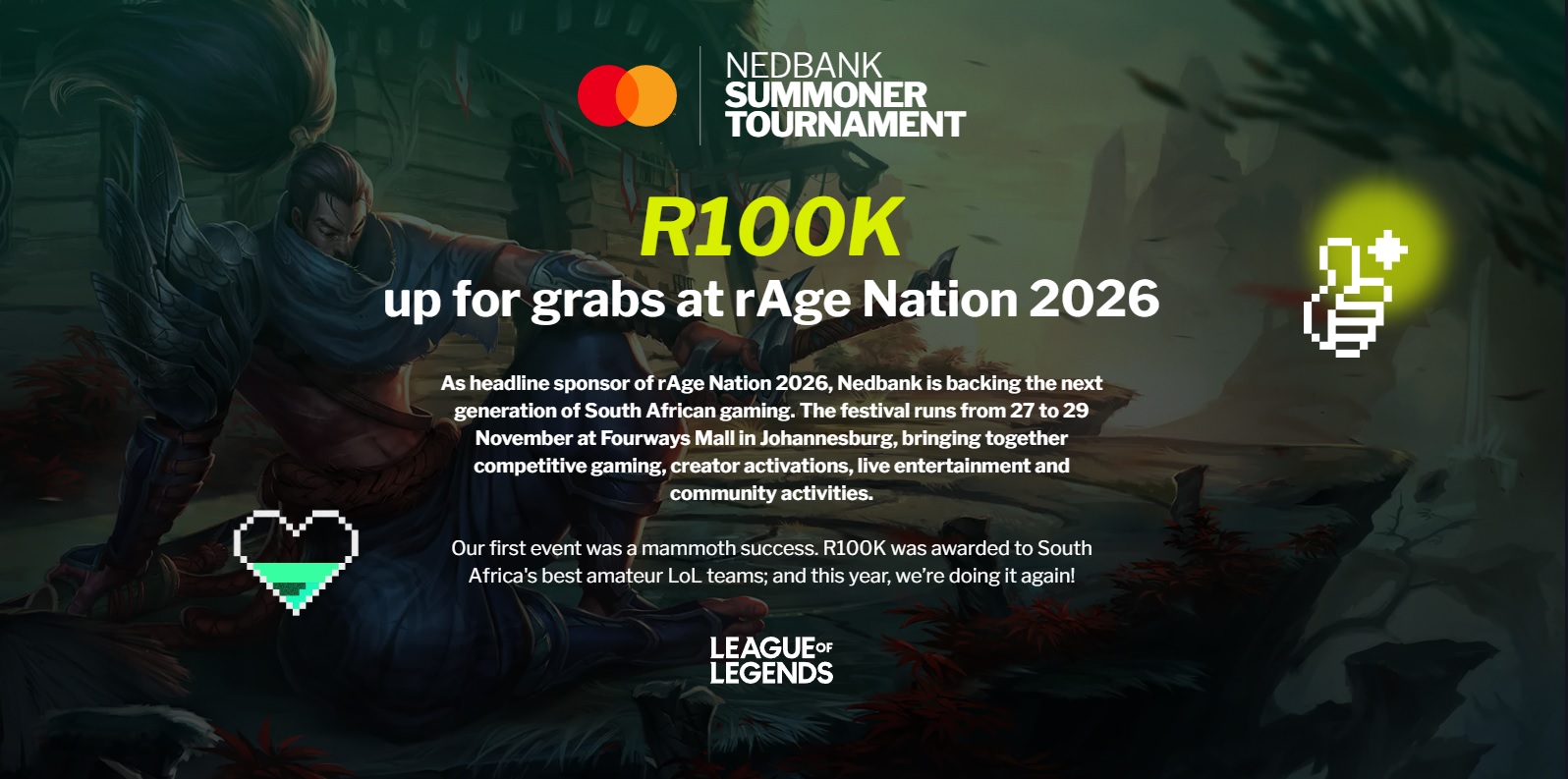
The Nedbank Mastercard Summoner Tournament is an open League of Legends competition for South African amateur teams, run by Mettlestate with backing from Nedbank and Mastercard. The 2026 edition began on 7 November with the first of two online qualifiers and ends on 27–29 November at rAge Nation, at Fourways Mall in Johannesburg, where four teams compete for R100,000 in prize money. The format takes squads from an open qualifier to the main stage and closes with a double-elimination bracket.
The question many people asked when the acronym started circulating on social media is simple: what exactly is this tournament, and why does it keep coming up among South African players? The answer involves three companies, two open qualifiers and a live final inside the country's biggest gaming festival. It is the second edition of the event, which debuted in 2025 with R100,000 in prizes and 425 participants, according to the organisers.
What the tournament is and who runs it
The Nedbank Mastercard Summoner Tournament is a PC League of Legends competition played 5v5 and aimed at the amateur circuit. The name brings together the two sponsors — Nedbank bank and Mastercard — and Mettlestate, the South African esports tournament operator responsible for logistics, brackets and administration.
Nedbank is the headline sponsor of rAge Nation 2026, the festival running from 27 to 29 November at Fourways Mall in Johannesburg. The tournament is one of the brand's central activations at the event and part of a broader strategy aimed at the gaming community: the company also runs the Nedbank Esports Arena, a platform that gathers tournaments, rewards and, soon, a store for game vouchers and top-ups.
Registration for the 2026 edition opened on 26 October. Entry to the qualifiers is free, and the full rules, eligibility requirements and participation terms are on the official tournament page maintained by Mettlestate. For international readers, the closest comparison is with the open qualifiers that feed closed leagues: there is no franchise slot to buy here — the road to the final goes through the online qualifier.
How it works: two qualifiers, four spots and a double-elimination bracket
The format was designed to give teams two chances. There are two open online qualifiers, each held over a weekend. The top two teams from each qualifier earn a place in the live final, making four teams in total. In the final stage, all four enter a double-elimination bracket: a loss drops a team into the lower bracket and it can still win the title, but two losses mean elimination.
| Stage | Date | Venue | Spots |
|---|---|---|---|
| Qualifier 1 | 7–8 November 2026 | Online, on the Mettlestate platform | 2 teams |
| Qualifier 2 | 14–15 November 2026 | Online, on the Mettlestate platform | 2 teams |
| Live finals | 27–29 November 2026 | Fourways Mall, Johannesburg (rAge Nation) | 4 teams |
Qualifier matches start at 10:00 South African time, according to the schedule published by the organisers. The final takes place on the rAge Nation stage, with a live audience and a broadcast on the official Nedbank Esports Arena channels. Double elimination tends to produce longer finals: the team that comes through the lower bracket must win two series to take the title, while the unbeaten side plays with an extra life.
Who has already qualified — and who can still get in
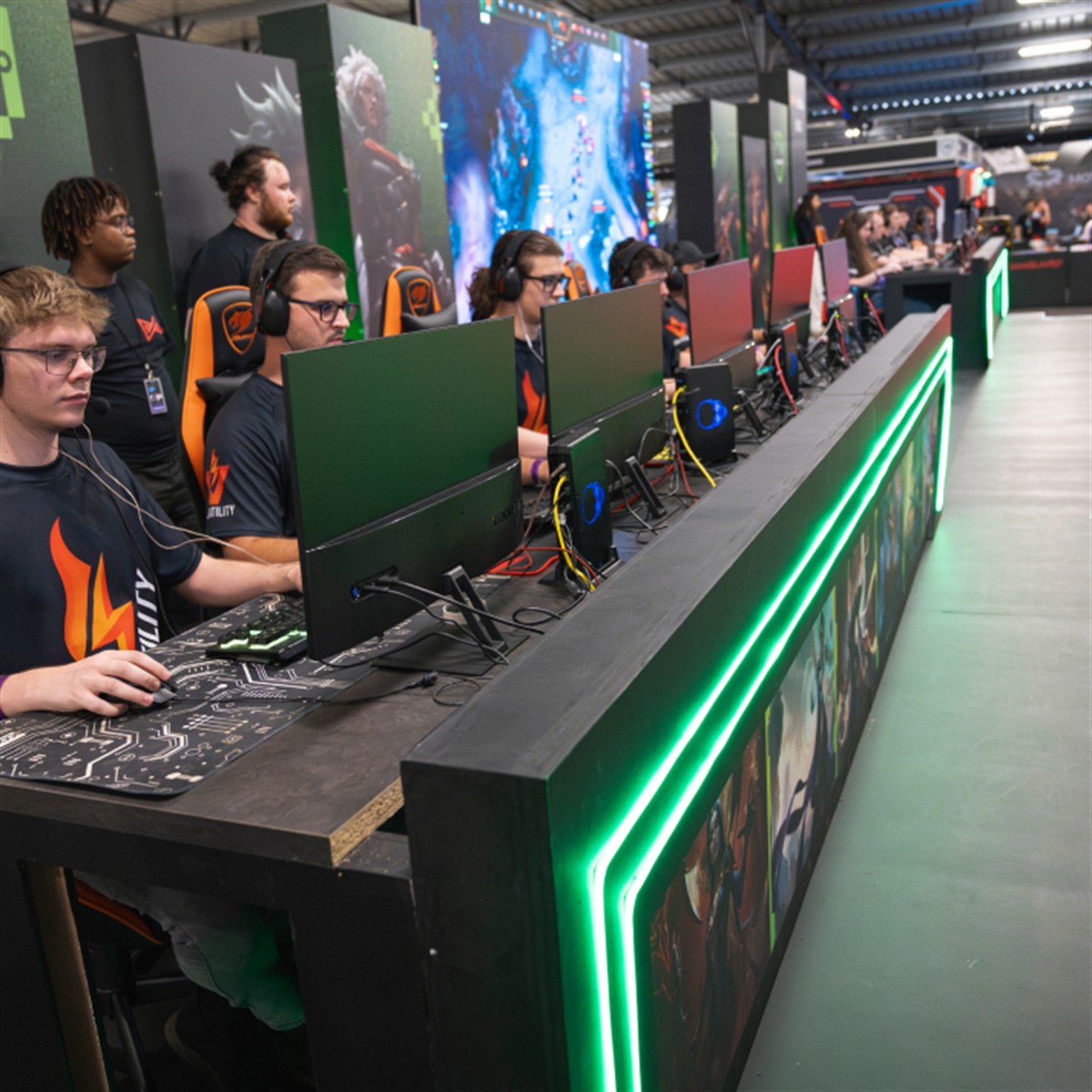
The first qualifier, played on 7 November, ended with MINT and Volatility as the first two teams through to the final. Mettlestate confirmed both placements on social media and thanked the other squads that took part in the round. Volatility are no newcomers: the team was among the four finalists in the 2025 edition, alongside ATK, Titan and Juicebox Lovers.
The second qualifier, scheduled for 14 November, decides the other two places. Until then, the entry list remains open to teams that have not yet secured qualification. The tournament's participants page listed 25 registered teams, including names such as Juicebox Lovers, Kifaru Esports, UG Rebels, Arcline Orion, Nexa E-Sports, The Odd Bunch, Riftbreakers and MINT itself. The presence of organisations with a track record on the amateur circuit helps explain the level of play.
The second qualifier is worth following because it usually reveals two kinds of team: line-ups that missed the first window and had time to adjust their roster, and squads that entered later with less competitive mileage. Because the spot is decided over a single weekend, mental preparation and draft reading weigh as much as individual mechanics.
Prize money: how the R100,000 is split
The total prize pool is R100,000, shared among the four teams that reach the live stage. The money is paid per player, which reinforces the amateur nature of the tournament: instead of concentrating everything in the organisation, the prize reaches the people actually playing. The official breakdown is as follows:
| Placement | Total prize | Per player |
|---|---|---|
| 1st place — Challenger | R50,000 | R10,000 |
| 2nd place — Master | R25,000 | R5,000 |
| 3rd place — Contender | R15,000 | R3,000 |
| 4th place — Rising Star | R10,000 | R2,000 |
For the standards of the South African amateur circuit, those figures matter. In 2025, the organisers described the prize as the largest ever offered to amateur League of Legends teams in the country. The debut edition also handed out more than R90,000 in fan prizes through challenges and giveaways during the festival.
Why the tournament matters for the African scene
South Africa does not have a franchised League of Legends league equivalent to Brazil's CBLOL or the main Asian and European competitions. The country's competitive circuit relies on independent organisers, especially Mettlestate, and on live events such as rAge. In that arrangement, a tournament backed by two global brands and capped by a final on the main stage is not just another competition: it is infrastructure for the ecosystem.
Recurring events give players a calendar to plan around, teams a reason to keep their line-up together and organisers room to improve brackets, production and broadcast. They also create work for casters, analysts, production crews and commercial partners — roles that sustain the scene's professionalism even while the players remain amateur.
"Gaming has the power to bring people together through shared passions, teamwork and competition. We're excited to return for a second year with the Nedbank Mastercard Summoner Tournament at rAge Nation, continuing to support the gaming community and create more opportunities for players to showcase their skills."
The quote sums up the commercial logic behind the investment: the bank is not merely sponsoring a championship, but a recurring point of contact with a young, digital audience. Mastercard comes in as a payments partner, and Mettlestate as the operator that knows the ground. It is a sponsorship model that keeps appearing in emerging markets, where esports still depends on non-endemic brands to fund the base of the pyramid.
"Our role is to build competitions that players trust, and audiences want to watch. For the Nedbank Mastercard Summoner Tournament, that means having a clear qualifying structure, strong tournament administration and a live final that tests teams under real pressure."
What the first edition left behind
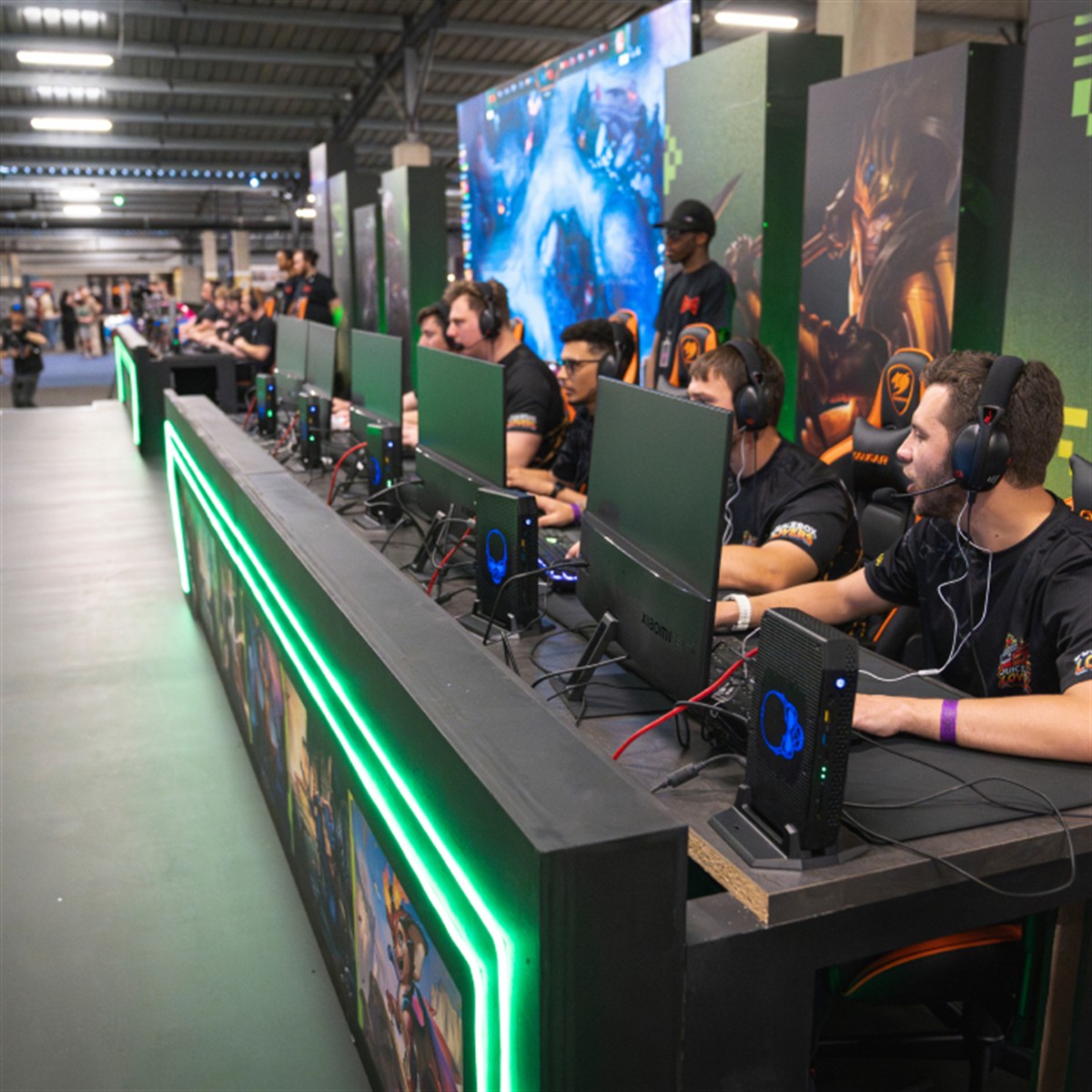
The 2025 debut ended with ATK taking the title in a final that also featured Titan, Volatility and Juicebox Lovers. The organisers counted 425 participants across the tournament, plus the R90,000 in fan prizes. The number helps put the reach in perspective: this is not a championship restricted to four or five elite teams, but a funnel that starts in open qualifiers and mobilises dozens of squads.
For 2026, the expectation is continuity. Mettlestate kept the two-qualifier format, which reduces the risk of a strong team missing out because of one bad day. The novelty is the consolidation of rAge Nation as the host: the festival changed its name and calendar, and the tournament now occupies Fourways Mall in late November instead of early December.
What to expect from the rAge Nation 2026 final
The live final runs from 27 to 29 November at Fourways Mall in Johannesburg, as part of the rAge Nation programme. The festival brings together competitions, stands, content creators, cosplay and music across three days. Tickets are sold through the event's official website, and the full schedule is published on the rAge Nation platform.
On stage, the double-elimination bracket should draw most of the attention: with four teams, every series either eliminates a side or pushes it into the lower bracket. The team that reaches the grand final unbeaten has a clear advantage, but recent history with the format shows that the lower-bracket side often arrives warmed up. For the audience, it is a chance to watch up close players who usually compete only online.

𝕏Mettlestate (@Mettlestate) on the official X account"Through to Nedbank rAge Nation: MINT and Volatility! GGs to every team in Qualifier 1. Round two registrations open tomorrow. #rAgeNation2026"
What to watch in the coming days
For anyone following along, the calendar is short and specific. On 14 November, the second qualifier decides the last two places; from then on, the four teams have two weeks to prepare drafts, compositions and practice routines. Between 27 and 29 November, Fourways Mall hosts the final stage, with the double-elimination bracket and the title worth R50,000 to the winning team.
The tournament also works as a thermometer for the South African League of Legends scene. If the second edition repeats the entry numbers and audience of the first, the format is likely to consolidate as one of the main entry points for amateur players in the country — and as a showcase for brands that want to reach African gaming audiences without relying only on one-off campaigns.
For Brazilian readers, the inevitable comparison is with the base of the CBLOL: while Brazil has a franchised league and a structured second division, South Africa builds its base through open tournaments and private sponsorship. The models differ, but the goal is the same: giving players a realistic path from the server to the stage. The Nedbank Mastercard Summoner Tournament is, today, the most visible expression of that path in the country.
More information on rules, eligibility and schedule is available on the official Mettlestate tournament page and on the Nedbank Esports Arena website. O Santuário Geek's esports coverage follows the qualifiers and the final at /en/esports/, and readers can revisit the wider LoL context in pieces such as the Worlds 2026 opening ceremony, the 26.22 patch and the Brazilian transfer market move.