Studio One Base: Kadokawa's new anime studio explained
Published on · Updated on
Kadokawa grouped five studios into Studio One Base in Tokyo and aims to more than double yearly anime output by 2031; here is how the plan works.
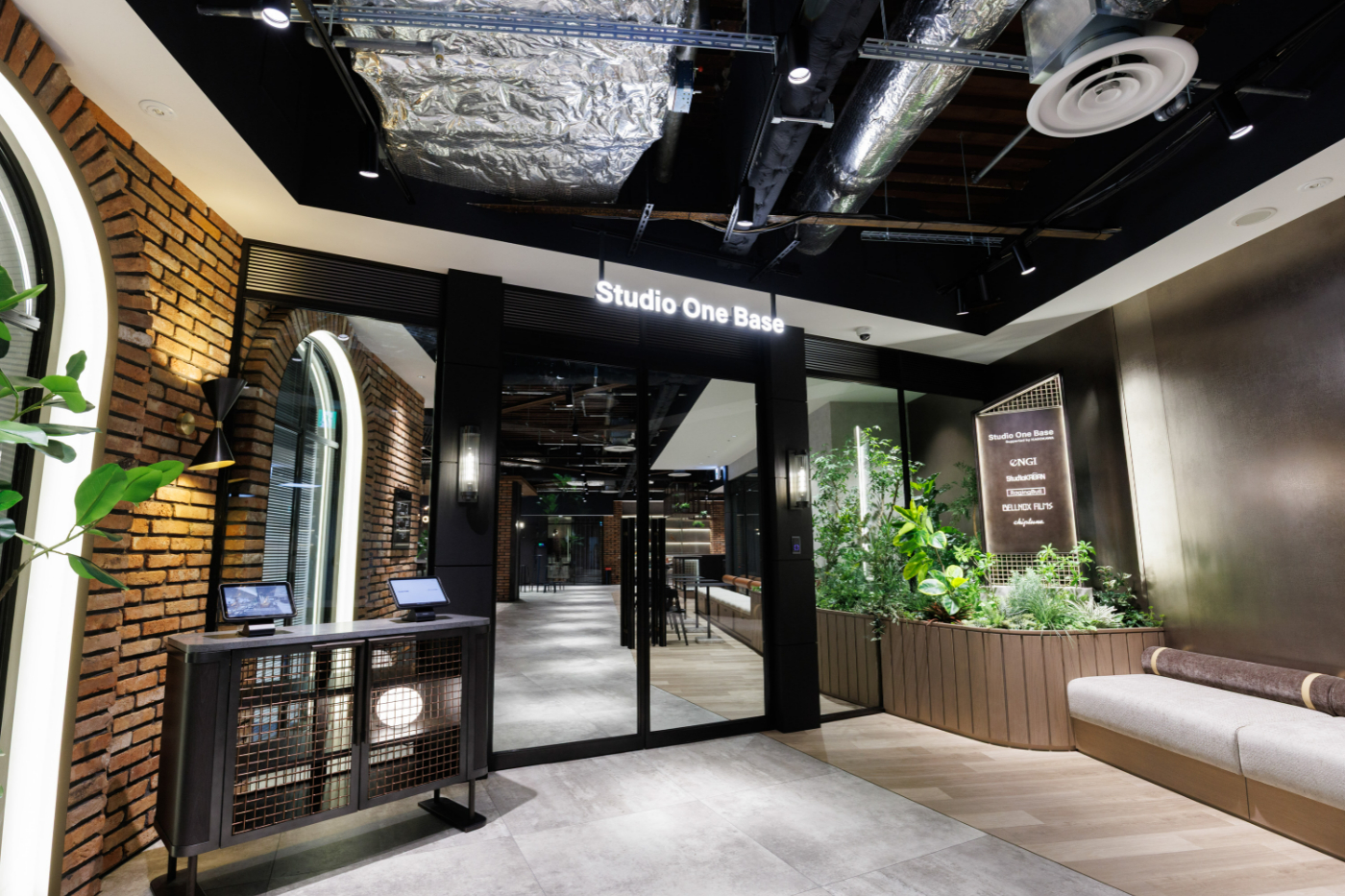
Kadokawa established Studio One Base on November 1, 2026, a company that brings together five of its anime studios — ENGI, Studio KADAN, Chiptune, Bellnox Films and Raging Bull — under a single address in the Ikebukuro district of Tokyo. The company is wholly owned by Kadokawa, is headquartered in the Sunshine City complex and occupies roughly 4,628 square meters, where about 400 people are expected to work. The stated goal is to produce more anime, with higher quality and lower costs, at a time when the Japanese industry faces labor shortages and rising expenses.
The merger was announced on September 8 and the new company began operating two months later, with the studios already moved into the new address. The name Studio One Base refers both to the company and to the building that concentrates the teams — the idea of a single base for creation, production and the training of new animators inside the group.
What exactly is Studio One Base
Studio One Base is not a studio built from scratch. It is a new company, with its own Japanese registration, that absorbs five production houses that already existed and continue to sign their works under their original brands. Kadokawa says ENGI, Studio KADAN, Chiptune, Bellnox Films and Raging Bull keep their names, identities and production lines, but now answer to a shared administration, with management and back-office departments unified.
The corporate structure is simple: 100% owned by Kadokawa Corporation, headquartered at Higashi-Ikebukuro 3-1-1, Toshima ward, with around 310 employees at the time of incorporation. The presidency went to Takeshi Kikuchi, who is also Kadokawa's Chief Studio Officer; Junichiro Tamura is vice president, and the board includes Sho Tanaka, the group's Chief Anime Officer.
| Name | Studio One Base Co., Ltd. (株式会社Studio One Base) |
| Established | November 1, 2026 |
| Headquarters | Sunshine City, Higashi-Ikebukuro, Toshima, Tokyo |
| Ownership | 100% Kadokawa Corporation |
| Total area | Approximately 4,628 m² (about 1,400 tsubo) |
| Staff | About 400 people in the complex; 310 employees at the company |
| President | Takeshi Kikuchi |
Five studios, one company
The logic of the merger is to combine complementary specialties. ENGI is the best known to international viewers for Blue Lock and the film Blue Lock: Episode Nagi, as well as Kemono Jihen and Medalist. Studio KADAN was created in 2021 as a 3DCG animation and visual effects studio, with credits including work on Suzume. Chiptune is a computer graphics house acquired by Kadokawa in February 2025. Bellnox Films was set up by the group in 2024 and produced the adaptation of The Darwin Incident. Raging Bull works as production and animation support for large titles.
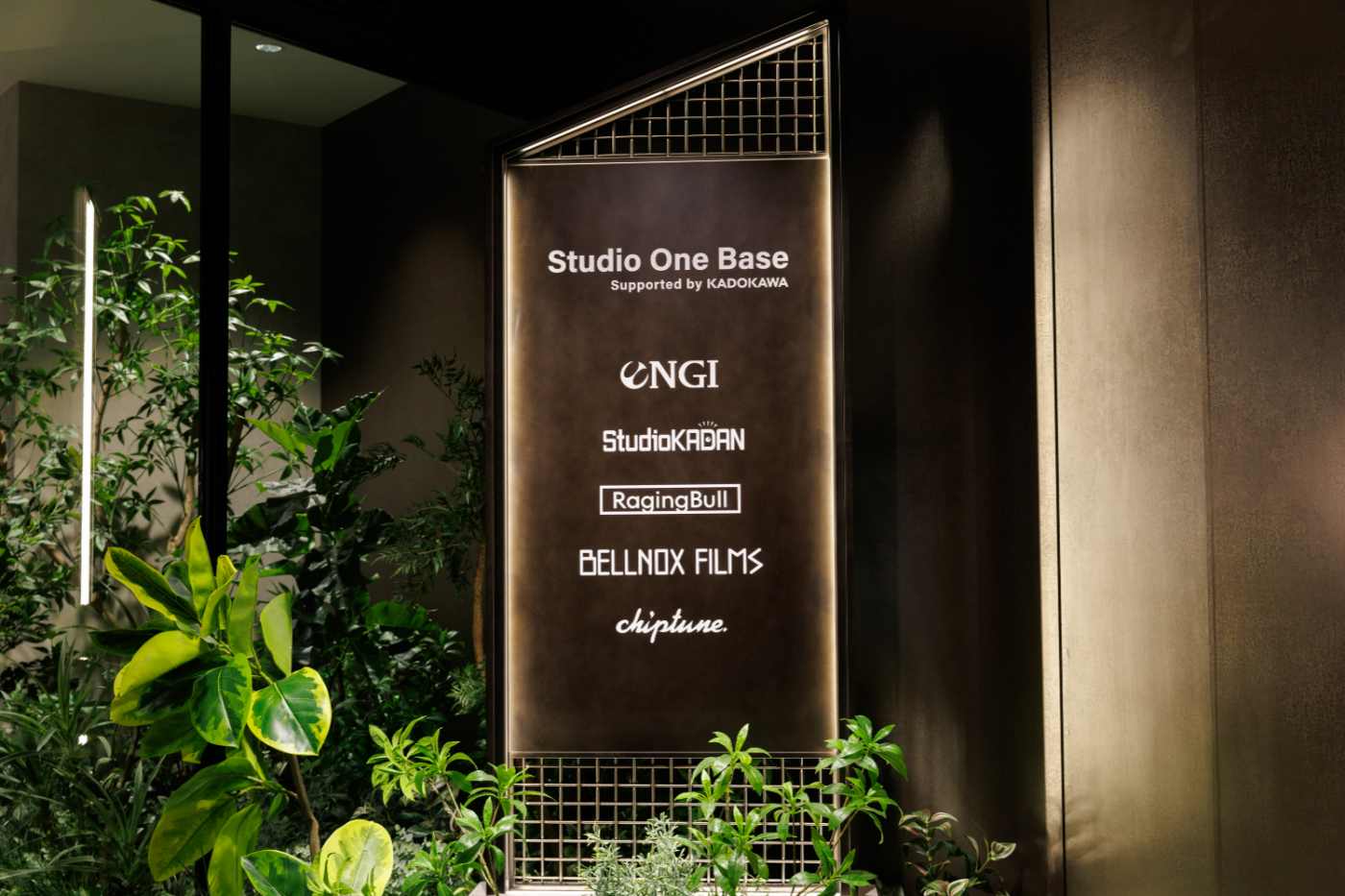
According to Kadokawa, the group's studios have produced 48 titles and 486 episodes since joining the company — a count that treats each one-cour TV season as one title and excludes work done before the studios became part of the group. The tally shows the size of the catalogue the new company inherits, but also supports the argument for integrated management: the idea is that one studio's knowledge circulates more easily through the others.
| Studio | Specialty | Sample credit |
|---|---|---|
| ENGI | 2D animation, action and sports series | Blue Lock |
| Studio KADAN | 3DCG animation and visual effects | Suzume (CG support) |
| Chiptune | Computer graphics | CG work for anime productions |
| Bellnox Films | 2D animation | The Darwin Incident |
| Raging Bull | Production and animation support | Cooperation on large-scale series |
Inside the new office
The space sits inside Sunshine City, the commercial complex that already receives more than 30 million visitors a year and houses the Sunshine Aquarium and the building's observatory. The roughly 4,628 square meters include a main studio of about 1,000 tsubo (around 3,300 square meters) laid out on a single floor — according to Kadokawa, one of the largest of its kind in the country.
The architectural project was organized around three areas the company calls immersion, tuning and resonance. The first concentrates the work desks; the second brings together meeting rooms and quick information exchanges; the third consists of lounge and reception spaces designed for encounters between teams and visitors. The proposal is to reduce the separation between departments and make contact easier among animators, directors and CG teams.
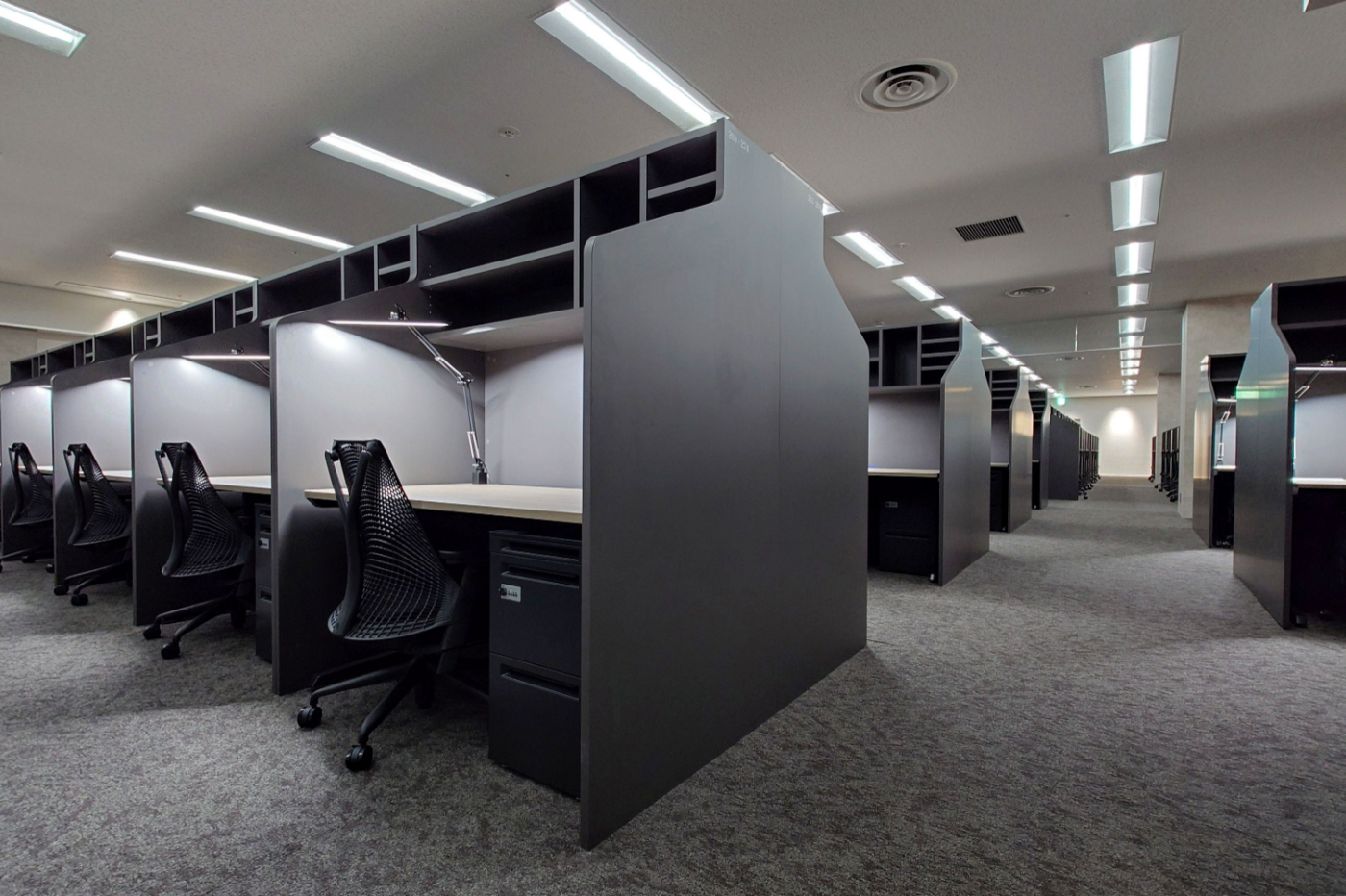
The furniture was customized as well. The booths have shelf heights and configurations that adjust to the type of material each person uses, and the chairs and lighting were chosen for long drawing sessions. The same address houses KADOKAWA Creators, the studio created in March to hire young people as employees and train them inside real productions — a way to address the shortage of skilled labor without relying only on freelancers.
Why Kadokawa is doing this
The Japanese anime industry grew 14.8% in 2024 and reached 3.84 trillion yen, a record according to the Association of Japanese Animations. The Japanese government wants to raise content exports from 5.8 trillion yen in 2023 to 20 trillion yen by 2033. At the same time, studios face a shortage of animators, tight schedules and rising costs — a combination Kadokawa sums up as the challenge of building a sustainable production model.
The company had been preparing since April 2025, when it created a studio business division to centralize management of its anime and live-action production houses. In practice, Kadokawa produces around 60 titles a year, including minority investments, and operates seven animation studios. Besides the five that form Studio One Base, the group controls Doga Kobo (of Oshi no Ko) and holds stakes in affiliated studios such as Kinema Citrus and Studio Chizu.
"We are very pleased to announce the opening of Studio One Base, our new production hub. Our mission is to create an environment in the animation industry where creators, the future leaders of the industry, can work with pride."
Studio One Base also fits into the competition for space in the Ikebukuro area. Kadokawa, the Toshima city government and the Sunshine City administration signed a partnership to turn the district into a "world-class anime city", drawing on the presence of shops, events and the Tokiwaso Museum. Mayor Miyuki Takagiwa described the arrival of the studio as a step for Ikebukuro to stop being only a place of consumption and become a hub of creation as well.
The targets through 2031
The numbers that size up the bet appeared in the earnings presentation released on November 12. Kadokawa produced four cours per year in fiscal 2025 — each cour corresponds to a three-month season, usually 12 to 13 episodes. By fiscal 2031, the goal is to more than double that volume.
| Metric | 2025 status | 2031 target |
|---|---|---|
| Cours produced per year | 4 | More than double |
| Expense-to-revenue ratio | 12.1% | 9.5% |
| In-house production | 18.2% | 50% |
In-house production is the most sensitive point. Today, 18.2% of the group's anime is made at home; the target is 50% by 2031, counting Studio One Base and other studios in the group, such as Doga Kobo. Producing internally gives more control over schedules and revenue sharing, but it requires a large in-house staff — exactly what the concentration in Ikebukuro is meant to make possible.
The financial backdrop is less comfortable. In the first half of the fiscal year, Kadokawa's anime and live-action segment posted an operating loss of 804 million yen, about 5 million dollars, despite strong performances from franchises such as Re:Zero and The Saga of Tanya the Evil. The company says the impact of Studio One Base on the consolidated result for the year is small, but the project is presented as a central piece of the search for long-term profitability.
"As demand for anime expands globally, we take on the challenge of building a sustainable production base with an eye on the future. We will strengthen our management structure while inheriting each studio's individuality and expressiveness, and prepare an environment in which creators can devote themselves to their work with peace of mind."
What changes for viewers
For the audience, the immediate change is small. No new anime was announced alongside the merger, and series in production keep their usual names in the credits. What changes is the structure behind them: decisions on schedules, hiring and budgets are now made jointly, and the company expects to reduce delays and episodes reworked at the last minute.
The consolidation also affects the labor market. Bringing 400 people onto one floor makes training and knowledge sharing easier, but it concentrates professionals under a single employer in an industry traditionally fragmented into small studios and outsourced teams. Since Kadokawa promises better pay and benefits, the move may push competitors to follow suit — or concentrate even more talent inside the group.
There is also a strategic dimension. Sony has been Kadokawa's largest shareholder, with about 10% of the shares since January 2025, and the group has been reinforcing in-house production to negotiate better on the international distribution of its titles. A larger, more integrated studio gives Kadokawa more autonomy to decide which stories become anime and at what pace — something that directly matters to anyone following the seasonal releases.
The road to 2031
Studio One Base is therefore a long-term bet whose effects will only become visible gradually. The first test will be the volume of the group's premieres in the coming years: going from four annual cours to more than eight means practically a new season every six weeks, which requires staff, planning and licensing contracts on a larger scale than today.
If Kadokawa meets the targets, the model could become a reference for other Japanese companies facing the same labor bottleneck. If it does not, the Ikebukuro building will remain a handsome headquarters — but not the base its name promises. For now, what exists is a finished facility, five preserved brands and an ambitious schedule through fiscal 2031.
To follow the group's studio productions and the season's releases, see our coverage of anime and the news section at O Santuário Geek.
Sources: Kadokawa, November 2, 2026 release; Kadokawa, September 8, 2026 release; Kadokawa, March 5, 2026 release; Automaton West.
Suggested and related articles
Outsider Paradise Moves to Kadokawa and Goes Full Color
How Japan protects anime copyright beyond its borders
Girls Band Cry: New Film Opens May 21, 2027
Magical Girl Raising Project restart: the killer among them
Death Stranding Isolations: anime gets teaser and staff